
Canine Dental Disease: Early Signs, Causes and Prevention
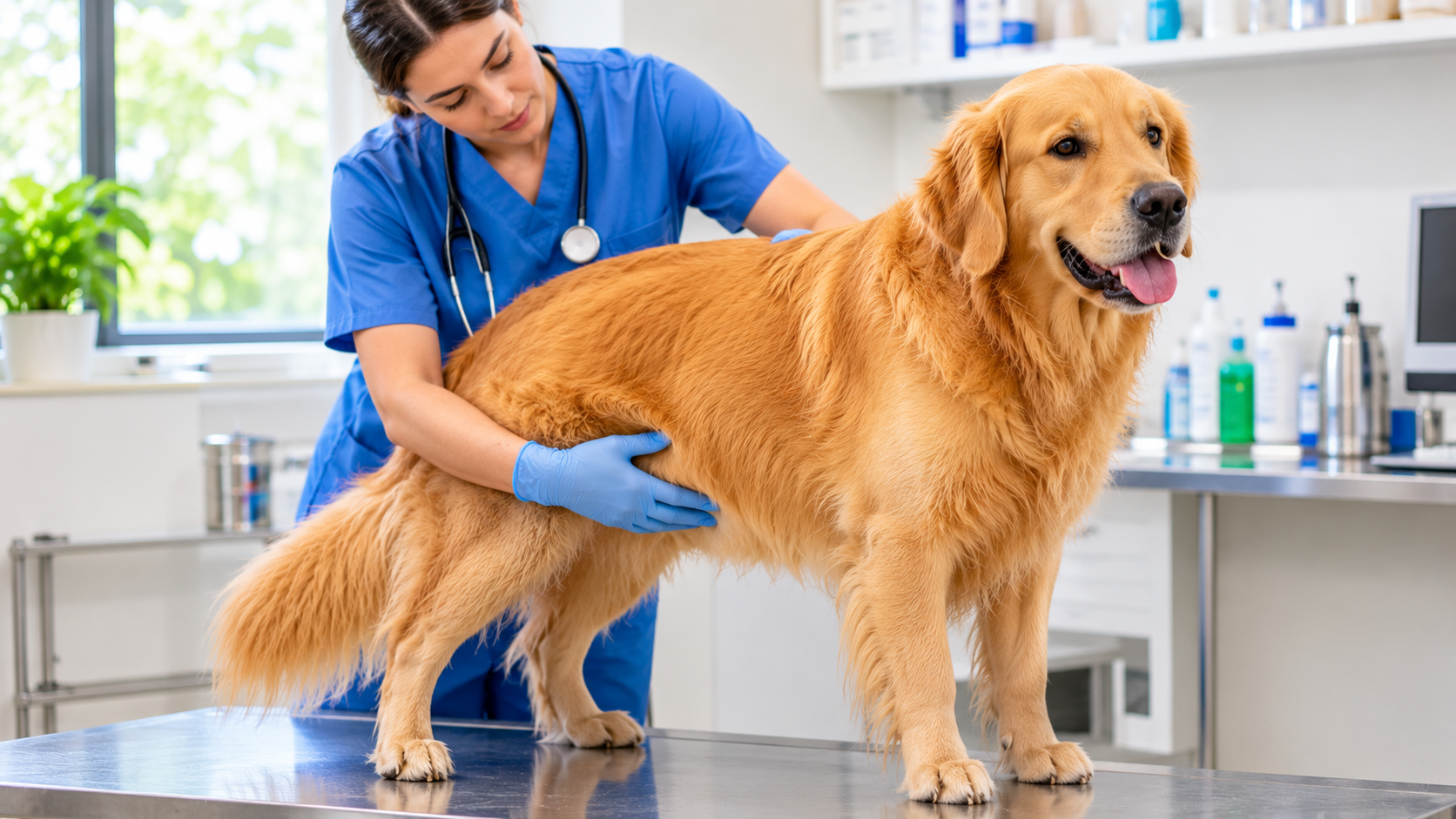
Canine dental disease is one of the most common health problems affecting dogs. It can develop gradually, often without obvious symptoms during its early stages. Many dog owners notice a problem only when their pet develops bad breath, red gums, difficulty chewing, or visible changes in its teeth.
Just like humans, dogs need regular dental care to maintain healthy teeth and gums. Without proper oral hygiene, plaque can build up on the teeth, harden into tartar, and eventually cause gum inflammation, infections, and damage to the structures supporting the teeth.
Dental disease is not simply a cosmetic problem. Advanced oral infections can cause significant pain, make eating uncomfortable, and negatively affect a dog’s overall quality of life.
Understanding the early signs, causes, stages, and treatment options can help dog owners recognize problems before they become severe. This guide explains how canine dental disease develops, how veterinarians diagnose it, and what you can do to protect your dog’s oral health.
What Is Canine Dental Disease?
Canine dental disease refers to conditions that affect a dog’s teeth, gums, and other structures inside the mouth. It commonly begins when bacteria combine with food particles and saliva to form plaque on the tooth surface.
If plaque is not removed regularly, minerals in saliva can cause it to harden into tartar, also called dental calculus. Tartar creates a rough surface where additional bacteria can accumulate.
Over time, bacteria can irritate the gums and cause inflammation. This condition is known as gingivitis. If the inflammation progresses and begins damaging the tissues and bone supporting the teeth, it can develop into periodontal disease.
Periodontal disease is particularly concerning because it may cause permanent damage and tooth loss if left untreated.
Difference Between Dental Plaque, Tartar, and Periodontal Disease
These terms describe different stages or features of dental problems in dogs.
| Condition | What Happens | Potential Effect |
|---|---|---|
| Dental plaque | A soft layer of bacteria forms on teeth | Early gum irritation |
| Dental tartar | Plaque hardens and attaches to teeth | Increased bacterial buildup |
| Gingivitis | Gums become inflamed | Redness, swelling, and bleeding |
| Periodontal disease | Supporting tissues around teeth become damaged | Pain, infection, loose teeth, and tooth loss |
Understanding these differences helps owners recognize why regular dental care is important.
10 Early Signs of Dental Disease in Dogs
Dogs cannot explain when their teeth hurt. Instead, they may show changes in their eating habits, behavior, and physical condition.
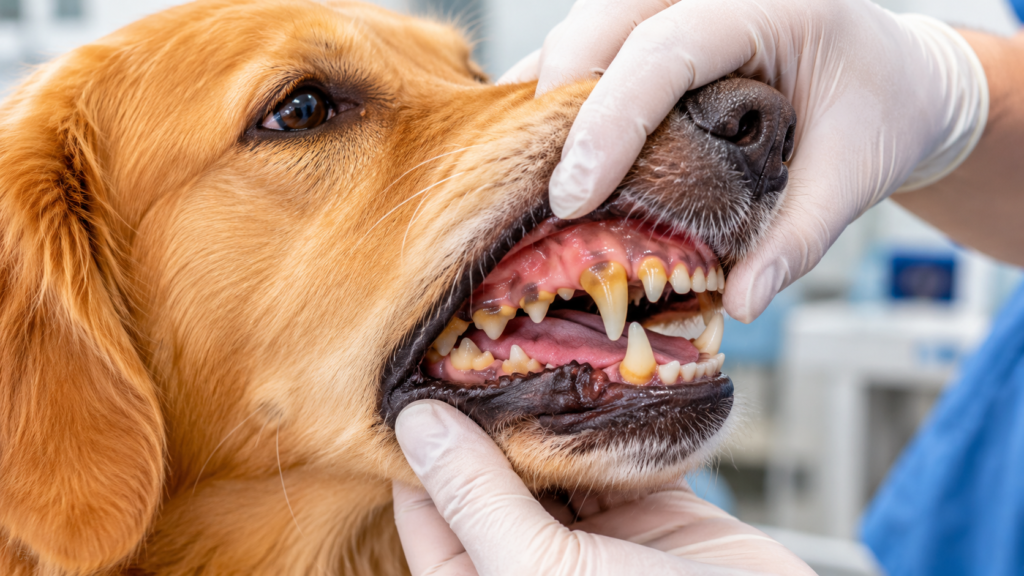
Recognizing these warning signs can help you seek veterinary attention before the condition becomes more serious.
Persistent Bad Breath
Bad breath, medically known as halitosis, is one of the earliest noticeable signs of dental problems in dogs.
A dog’s breath may naturally have some odor, but a persistent strong, unpleasant smell should not be ignored.
It often develops when bacteria accumulate around the teeth and gums. Food particles, plaque, tartar, and infected gum tissue can contribute to the odor.
What to watch for:
- Breath that smells unusually unpleasant.
- Odor that continues despite normal eating.
- Stronger smells when your dog opens its mouth.
- Bad breath accompanied by red or swollen gums.
Persistent bad breath deserves a veterinary examination, especially when other symptoms are present.
Red or Swollen Gums
Healthy dog gums are generally pink, although normal pigmentation varies between individual dogs.
Redness, swelling, or irritation along the gumline may indicate gingivitis or another oral health problem.
You might notice that the gums look darker red around the teeth or appear swollen and sensitive.
Some dogs may also pull away when their mouth is touched.
Yellow or Brown Tartar Buildup
A yellow or brown coating near the gumline may indicate hardened dental tartar.
Unlike soft plaque, tartar attaches firmly to the tooth surface and cannot usually be removed through ordinary brushing once it has hardened.
It may become thicker over time, creating additional areas where bacteria accumulate.
Visible tartar is a reason to arrange a dental assessment rather than attempting to scrape the teeth at home.
Difficulty Chewing Food
Dogs with dental disease may experience discomfort when biting or chewing.
Some pets continue eating despite pain, while others begin changing their eating habits.
Possible signs include:
- Chewing food more slowly.
- Dropping pieces of food while eating.
- Avoiding hard kibble or crunchy treats.
- Chewing mainly on one side of the mouth.
- Walking away from food despite appearing hungry.
These changes may indicate tooth pain, gum inflammation, or a damaged tooth.
Excessive Drooling
Some dogs naturally drool more than others, but a sudden increase in drooling can indicate an oral health problem.
Dental infections, inflamed gums, painful teeth, and mouth injuries may cause excessive saliva production.
You may notice wet fur around the mouth or saliva containing small amounts of blood.
If drooling appears suddenly or is accompanied by difficulty swallowing, seek prompt veterinary care.
Bleeding Gums
Healthy gums should not regularly bleed during normal eating or gentle handling.
Bleeding may occur when gum tissue becomes inflamed or infected.
You might notice blood on chew toys, food bowls, or around your dog’s mouth.
Repeated bleeding should never be considered normal. A veterinarian should examine the gums to identify the underlying cause.
Loose or Missing Teeth
Loose teeth can indicate advanced periodontal disease or dental trauma.
As infection damages the tissues and bone supporting the teeth, they may gradually become unstable.
Some dogs may also lose teeth without showing obvious signs of discomfort.
A missing tooth, especially when its loss is unexplained, should be examined by a veterinarian because the remaining root may still be present.
Pawing at the Mouth
Dogs experiencing oral discomfort may repeatedly rub their faces or paw at their mouths.
This behavior can occur when something hurts around the teeth, gums, tongue, or other oral tissues.
If your dog suddenly begins rubbing its face against furniture or scratching around its muzzle, check for other signs of discomfort and arrange a veterinary examination.
Changes in Eating Habits
Dental disease may cause gradual changes in appetite and food preferences.
For example, a dog that previously enjoyed dry food may begin preferring softer meals.
Other changes include:
- Eating smaller portions.
- Taking longer to finish meals.
- Refusing hard treats.
- Showing interest in food but avoiding chewing.
- Becoming uncomfortable during feeding.
These changes can also occur with other illnesses, so a proper examination is important.
Facial Swelling
Swelling around the jaw, cheek, or below the eye can sometimes indicate a dental infection or tooth-root abscess.
This is a more concerning sign because an infection may have spread into nearby tissues.
Facial swelling, particularly when accompanied by pain, reduced appetite, or discharge, requires prompt veterinary attention.
Common Causes of Canine Dental Disease
Dental disease usually develops through a combination of bacterial buildup, insufficient oral hygiene, and individual risk factors.
Understanding its common causes can help owners take preventive steps.
Plaque and Bacterial Buildup
Plaque is the primary starting point for many dental problems in dogs.
After eating, bacteria naturally present in the mouth combine with saliva and food particles to form a sticky film on the teeth.
If plaque remains on the teeth, it can irritate the gums and contribute to tartar formation.
Regular brushing helps remove plaque before it hardens.
Lack of Regular Dental Cleaning
Dogs that do not receive consistent dental care may develop plaque and tartar more quickly.
Some owners assume that chewing food or toys automatically cleans their dog’s teeth. However, ordinary chewing does not reliably remove plaque from every tooth surface.
Without appropriate dental hygiene, bacteria can accumulate around the gumline and increase the risk of gum disease.
Age-Related Dental Changes
Older dogs may have a greater risk of dental problems because plaque and tartar can accumulate over many years.
However, dental disease is not limited to senior pets. Younger dogs can also develop significant oral health problems.
Regular examinations are important throughout every stage of a dog’s life.
Breed and Jaw Structure
Some breeds have a higher risk of dental problems because of their mouth and jaw structure.
Small and toy breeds, including Chihuahuas, Yorkshire Terriers, and Toy Poodles, may experience crowded teeth that create areas where plaque can accumulate.
Brachycephalic breeds, such as French Bulldogs and Pugs, may also have dental alignment problems because of their shortened facial structure.
These anatomical differences can make daily dental care especially important.
Retained Baby Teeth
Puppies normally lose their baby teeth as permanent teeth develop.
Sometimes, a baby tooth remains in place even after its permanent replacement begins to emerge.
This condition is called a retained deciduous tooth.
Retained teeth can cause crowding, abnormal positioning, and additional areas where food and bacteria collect.
Veterinary assessment is important when baby teeth do not fall out as expected.
Poor Dental Diet and Feeding Habits
Food type alone does not determine whether a dog develops dental disease.
However, some feeding habits may contribute to poor oral hygiene when they are combined with inadequate dental care.
Soft foods do not automatically clean tooth surfaces, and ordinary dry kibble should not be considered a replacement for brushing.
Specially designed dental diets may help reduce plaque or tartar when they have demonstrated dental benefits.
Stages of Periodontal Disease in Dogs
Periodontal disease generally progresses through different stages. Early treatment can help prevent permanent damage, while advanced disease may require more extensive veterinary procedures.
| Stage | Condition | Common Findings |
|---|---|---|
| Stage 1 | Gingivitis | Gum redness and inflammation without attachment loss |
| Stage 2 | Early periodontitis | Less than 25% attachment loss |
| Stage 3 | Moderate periodontitis | Approximately 25% to 50% attachment loss |
| Stage 4 | Advanced periodontitis | More than 50% attachment loss |
Stage 1: Gingivitis
Gingivitis is the earliest stage of periodontal disease.
The gums become inflamed because of bacterial plaque accumulation, but the supporting bone and connective tissues have not yet suffered periodontal attachment loss.
Common signs include:
- Redness along the gumline.
- Mild gum swelling.
- Occasional bleeding.
- Persistent bad breath.
This stage is generally reversible with appropriate professional dental cleaning and consistent home care.
Stage 2: Early Periodontitis
At this stage, inflammation begins damaging the tissues supporting the teeth.
Small areas of attachment loss may develop around affected teeth.
Dogs may not show obvious discomfort, making veterinary dental examinations particularly important.
Professional treatment is needed to remove deposits beneath the gumline and manage the affected areas.
Stage 3: Moderate Periodontitis
Moderate periodontal disease involves more substantial damage to the supporting tissues.
Possible signs include:
- Significant tartar accumulation.
- Persistent gum inflammation.
- Gum recession.
- Deep periodontal pockets.
- Tooth sensitivity or mobility.
Veterinarians may recommend more advanced dental treatment, depending on the condition of each affected tooth.
Stage 4: Advanced Periodontitis
Advanced periodontal disease causes severe damage to the tissues supporting the teeth.
Teeth may become very loose, painful, or infected. Some may need to be extracted to prevent further discomfort and infection.
Dogs at this stage may also experience difficulty eating and other complications.
Early diagnosis is important because advanced periodontal damage cannot always be reversed.
How Veterinarians Diagnose Dental Disease in Dogs
A veterinarian evaluates a dog’s mouth, teeth, gums, and overall health to determine whether dental disease is present.
A complete assessment may involve several steps.
Physical Oral Examination
The veterinarian examines visible teeth and gum tissue for signs of inflammation, tartar, broken teeth, and other abnormalities.
They may also check for mouth injuries, unusual growths, and signs of infection.
However, a conscious examination cannot reveal every problem beneath the gumline.
Professional Dental Examination Under Anesthesia
A comprehensive dental examination generally requires general anesthesia.
Anesthesia allows the veterinary team to examine the entire mouth safely, clean below the gumline, and evaluate individual teeth without causing unnecessary stress or movement.
This is especially important because periodontal disease often affects areas that cannot be seen during an ordinary visual inspection.
Dental X-Rays
Dental radiographs allow veterinarians to examine the tooth roots and surrounding bone.
They can help identify:
- Bone loss around teeth.
- Hidden tooth-root infections.
- Retained tooth roots.
- Problems beneath the gumline.
- Damage that is not visible during a surface examination.
Dental X-rays are particularly valuable when deciding whether a tooth can be preserved or needs extraction.
Treatment Options for Canine Dental Disease
The appropriate treatment depends on the stage of the disease, the number of affected teeth, and your dog’s overall health.
Mild problems may require professional cleaning and improved home care, while advanced cases may need surgical treatment.
Professional Dental Cleaning
Professional dental cleaning is one of the most important treatments for dogs with plaque and tartar accumulation.
It is generally performed under general anesthesia.
The procedure may include:
- Removing plaque and hardened tartar.
- Cleaning beneath the gumline.
- Examining individual teeth.
- Polishing tooth surfaces.
- Evaluating gum health.
- Taking dental X-rays when necessary.
Cleaning below the gumline is essential because harmful bacterial deposits can remain hidden beneath the visible part of the tooth.
Antibiotics for Certain Dental Infections
Antibiotics may be prescribed when a veterinarian identifies a specific bacterial infection or another medical reason for their use.
However, antibiotics alone cannot remove hardened tartar or repair damaged periodontal tissues.
They should not be used as a substitute for appropriate dental treatment.
Never give your dog leftover antibiotics or human medication without veterinary instructions.
Tooth Extraction
Severely damaged, infected, or unstable teeth may need to be removed.
Extraction can help eliminate a painful source of infection and improve a dog’s comfort.
Although losing a tooth may sound concerning, many dogs adapt well after appropriate dental treatment.
The veterinarian will provide instructions for feeding, medication, and recovery.
Advanced Periodontal Treatment
Some dogs may benefit from more specialized periodontal procedures.
Depending on the affected teeth and the extent of tissue damage, treatment may involve:
- Deep periodontal cleaning.
- Treatment of selected periodontal pockets.
- Surgical management of affected tissues.
- Other procedures recommended by a veterinary dental specialist.
Not every damaged tooth can be saved, so treatment decisions depend on the individual examination.
How to Prevent Dental Disease in Dogs
Prevention is one of the most effective ways to protect your dog’s teeth and gums.
Consistent home care, appropriate dental products, and professional examinations can help reduce plaque buildup and identify problems early.
Brush Your Dog’s Teeth Regularly
Daily toothbrushing is considered one of the most effective ways to control plaque accumulation.
Use a toothbrush designed for dogs and a pet-safe toothpaste.
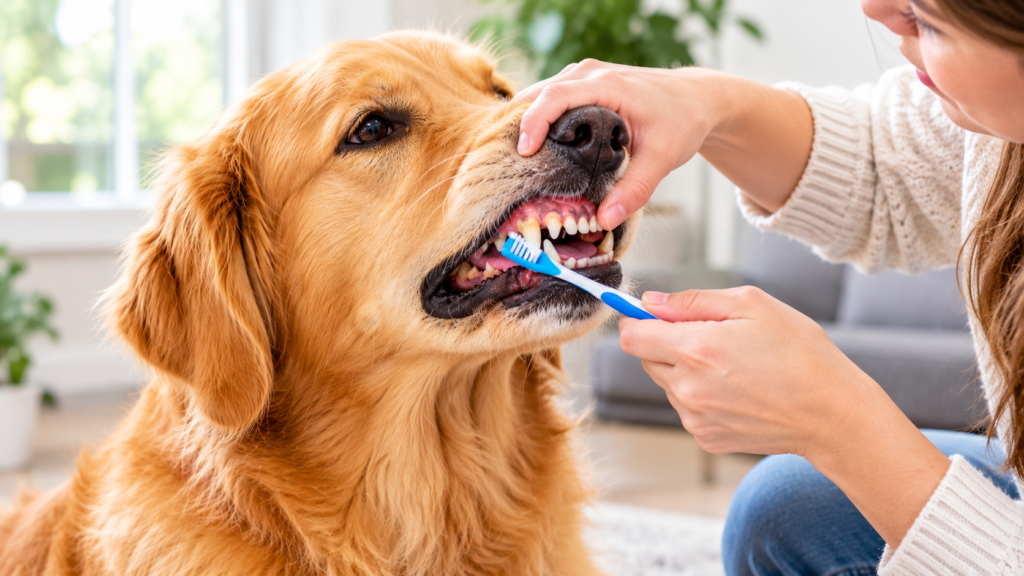
Human toothpaste should never be used because it may contain ingredients that are unsafe for dogs, including xylitol in some formulations.
To introduce brushing:
- Allow your dog to smell and investigate the toothbrush.
- Introduce a small amount of dog toothpaste.
- Gently touch the outside of the lips and teeth.
- Begin brushing a few teeth at a time.
- Gradually increase the brushing duration.
- Reward calm behavior to create a positive experience.
Focus on the outer surfaces of the teeth, especially near the gumline.
If your dog becomes distressed or shows signs of pain, stop and consult your veterinarian.
Choose Appropriate Dental Chews
Dental chews may help reduce plaque or tartar when used as part of a complete oral care routine.
Choose products that are appropriately sized for your dog and designed for dental health.
Look for products with recognized dental effectiveness rather than assuming that every chew provides the same benefits.
Avoid extremely hard objects, including antlers, hard bones, and very hard nylon toys, because they can fracture teeth.
Use Dog-Safe Dental Products
Several products are designed to support canine oral hygiene.
These may include:
- Dog-specific toothpaste.
- Pet toothbrushes.
- Dental wipes.
- Veterinary dental diets.
- Dental chews.
- Certain oral hygiene water additives.
Products should be selected according to your dog’s age, size, health, and individual needs.
Water additives and dental sprays should not replace brushing or professional treatment.
Schedule Regular Veterinary Dental Examinations
Your veterinarian can assess your dog’s oral health and recommend how frequently professional dental cleaning is needed.
Some dogs require more frequent dental examinations because of breed characteristics, previous dental disease, or rapid tartar accumulation.
Regular checkups help identify problems before they cause significant pain or tooth loss.
Provide a Balanced Diet
A complete and balanced diet supports your dog’s overall health, including the tissues that help maintain healthy teeth and gums.
Certain veterinary dental diets are specially formulated to help reduce plaque or tartar.
However, ordinary dry food should not be considered a reliable substitute for dental brushing.
Start Dental Care During Puppyhood
Introducing oral care early can help puppies become comfortable with having their mouths examined and teeth brushed.
Begin gently and use positive reinforcement.
Puppyhood is also a good time to monitor the transition from baby teeth to permanent teeth.
Ask your veterinarian to check for retained baby teeth and abnormal tooth development.
How Often Should You Clean Your Dog’s Teeth?
The ideal dental care routine includes regular home brushing and veterinary examinations.
Daily brushing is generally recommended because plaque forms continuously.
Professional dental cleaning frequency depends on your dog’s oral health, age, breed, and individual risk factors.
| Dental Care Activity | Recommended Frequency |
|---|---|
| Toothbrushing | Daily |
| Checking visible teeth and gums | Regularly, ideally weekly |
| Dental chews | According to product instructions |
| Veterinary oral examination | At regular veterinary visits |
| Professional dental cleaning | As recommended by your veterinarian |
There is no single cleaning schedule that works for every dog.
A small breed with crowded teeth may need more frequent professional attention than a dog with lower dental disease risk.
Can Dental Disease Affect a Dog’s Overall Health?
Yes. Advanced dental disease can affect more than the mouth.
Bacteria and inflammation associated with periodontal disease may contribute to broader health concerns. Research has identified associations between periodontal disease and changes affecting other organs, although the exact cause-and-effect relationship is not fully established for every condition.
Potential complications include:
Oral Pain and Reduced Quality of Life
Dental disease can make ordinary activities uncomfortable.
A dog may avoid chewing, become less interested in toys, or show behavioral changes because of persistent oral pain.
Tooth Loss
As periodontal disease damages the supporting tissues, teeth may become loose and eventually fall out or require extraction.
Localized Infections
Bacterial infections can develop around affected teeth and may lead to abscesses.
These infections can cause swelling, pain, and difficulty eating.
Possible Effects Beyond the Mouth
Severe periodontal inflammation has been associated with changes in other parts of the body.
However, it is important not to assume that every dog with dental disease will develop heart, kidney, or liver disease.
Good dental care helps protect oral health and supports overall well-being.
When Should You Take Your Dog to a Veterinarian?
Some dental symptoms require a routine appointment, while others need urgent attention.
Contact your veterinarian if you notice:
- Persistent bad breath.
- Red or swollen gums.
- Visible tartar accumulation.
- Difficulty chewing.
- Repeated bleeding from the mouth.
- Loose or damaged teeth.
- Unexplained changes in appetite.
Seek prompt veterinary attention if your dog develops facial swelling, severe oral pain, pus, or difficulty eating.
Difficulty breathing or swallowing, uncontrolled bleeding, or severe weakness requires emergency veterinary care.
Do not attempt to remove teeth, scrape tartar, or treat suspected dental infections at home.
Common Myths About Dog Dental Health
There are several misconceptions that can prevent owners from providing appropriate dental care.
| Myth | Reality |
|---|---|
| Dogs naturally have clean teeth | Dogs can develop plaque, tartar, and gum disease. |
| Dry food completely cleans teeth | Ordinary kibble does not reliably remove plaque. |
| Bad breath is normal in every dog | Persistent bad breath can indicate dental disease. |
| Dental disease only affects older dogs | Dogs of different ages can develop oral problems. |
| Dental chews replace brushing | Dental chews can support but do not replace regular brushing. |
| Loose teeth are always harmless | Loose teeth may indicate significant periodontal damage. |
| Dogs will stop eating when their teeth hurt | Some dogs continue eating despite considerable dental pain. |
Understanding these facts helps owners make better decisions about their pets’ oral health.
Frequently Asked Questions About Canine Dental Disease
What is the most common dental disease in dogs?
Periodontal disease is one of the most common dental conditions in dogs. It develops when plaque and bacteria cause gum inflammation and gradually damage the tissues supporting the teeth.
What are the first signs of dental disease in dogs?
Early signs include persistent bad breath, red gums, visible plaque or tartar, and mild discomfort while chewing. Some dogs may not show noticeable symptoms during the early stages.
Can canine dental disease be reversed?
Early gingivitis can generally be reversed with professional cleaning and consistent home dental care. However, the tissue and bone damage caused by advanced periodontal disease is usually permanent and may require additional treatment.
How do I know if my dog has a tooth infection?
Possible signs include facial swelling, bad breath, pain when chewing, drooling, bleeding, and reduced appetite. Some tooth-root infections remain hidden, so veterinary examination and dental X-rays may be necessary.
Can dogs get dental disease even if they eat dry food?
Yes. Ordinary dry kibble does not reliably clean all tooth surfaces. Dogs eating dry food can still develop plaque, tartar, gingivitis, and periodontal disease.
How often should I brush my dog’s teeth?
Daily brushing is generally recommended to control plaque buildup. If daily brushing is difficult at first, introduce it gradually and aim to establish a consistent routine.
Is dog dental cleaning safe?
Professional dental cleaning is commonly performed under general anesthesia with appropriate veterinary monitoring. The veterinarian evaluates the dog’s health and determines the safest approach based on age, medical history, and individual risk factors.
Can dental disease cause a dog to stop eating?
Yes. Severe gum inflammation, infected teeth, and oral pain can make chewing uncomfortable. Some dogs eat less, refuse hard food, or avoid meals altogether.
What dog breeds are more likely to develop dental problems?
Small breeds such as Chihuahuas, Yorkshire Terriers, and Toy Poodles may have a higher risk because of crowded teeth and jaw structure. Brachycephalic breeds can also experience dental alignment problems.
What is the best way to prevent dental disease in dogs?
Daily brushing with dog-safe toothpaste, regular veterinary examinations, appropriate dental chews, and professional cleaning when needed are among the most effective preventive measures.
Conclusion
Canine dental disease is a common but often preventable health problem that can affect a dog’s comfort, eating habits, and overall quality of life. It usually begins with plaque buildup and can progress to tartar formation, gum inflammation, periodontal damage, and tooth loss when left untreated.
Recognizing early warning signs such as bad breath, red gums, bleeding, excessive drooling, and difficulty chewing can help dog owners seek veterinary care at the right time.
The best approach is to make dental care part of your dog’s regular health routine. Brush your dog’s teeth daily, choose appropriate dental products, monitor changes in the mouth, and schedule veterinary dental examinations.
With consistent preventive care and early treatment, you can help your dog maintain healthier teeth and gums and enjoy a more comfortable, happier life.