
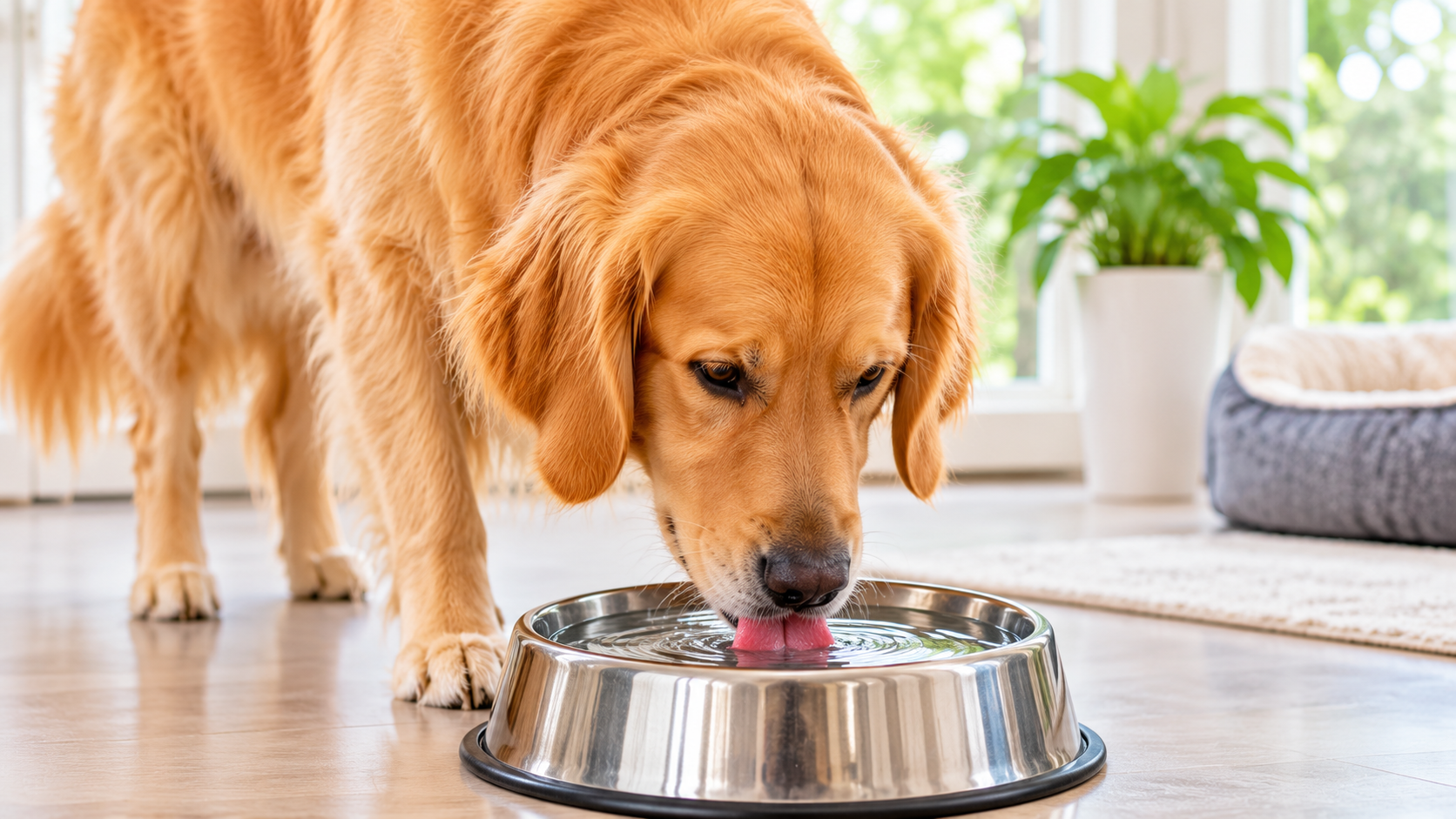
Dog Dehydration: 9 Warning Signs and How to Prevent It
Water is essential for every dog, and dog dehydration is a serious risk when fluids are lost. It helps regulate body temperature, supports digestion, transports nutrients, and allows important organs to function properly. When a dog loses more water than it takes in, dehydration can develop. This condition can become serious if the lost fluids are not replaced.
Dog dehydration can happen for several reasons, including hot weather, excessive exercise, vomiting, diarrhea, fever, and certain medical conditions. Some dogs may become dehydrated quickly, especially puppies, senior dogs, and pets with existing health problems.
Recognizing the early signs of dehydration is important because dogs cannot tell their owners when they are feeling thirsty or unwell. Changes in energy levels, gum moisture, skin elasticity, and urination can provide useful clues.
In this guide, you will learn about the 9 common warning signs of dog dehydration, its causes, possible complications, treatment options, and practical ways to keep your dog properly hydrated.
What Is Dog Dehydration?
Dog dehydration occurs when a dog’s body loses more water and essential fluids than it replaces. Water is necessary for maintaining normal body functions, and even a moderate fluid imbalance can affect a dog’s health.
A dog’s body uses water to:
- Regulate body temperature.
- Support digestion and nutrient absorption.
- Maintain healthy blood circulation.
- Remove waste through urine.
- Lubricate joints and tissues.
- Support normal kidney function.
- Maintain electrolyte balance.
When a dog becomes dehydrated, the body may struggle to perform these functions properly.
Dehydration can be mild, moderate, or severe. Mild dehydration may cause increased thirst and slightly dry gums, while severe dehydration can lead to weakness, poor circulation, organ damage, and potentially life-threatening complications.
Difference Between Dehydration and Water Deficiency
Dehydration and inadequate water intake are related, but they are not exactly the same.
| Condition | Meaning | Possible Effect |
|---|---|---|
| Water deficiency | A dog does not drink enough water | Increased thirst and reduced water intake |
| Dehydration | The body has lost more fluids than it replaces | Fluid imbalance and impaired body functions |
| Electrolyte imbalance | Important minerals become too low or too high | Muscle weakness and abnormal body functions |
A dog may become dehydrated even when water is available if illness causes excessive fluid loss or prevents normal drinking.
9 Warning Signs of Dehydration in Dogs
The signs of dehydration can vary depending on how much fluid a dog has lost and what caused the problem.
Some symptoms are easy to notice, while others may require veterinary examination.
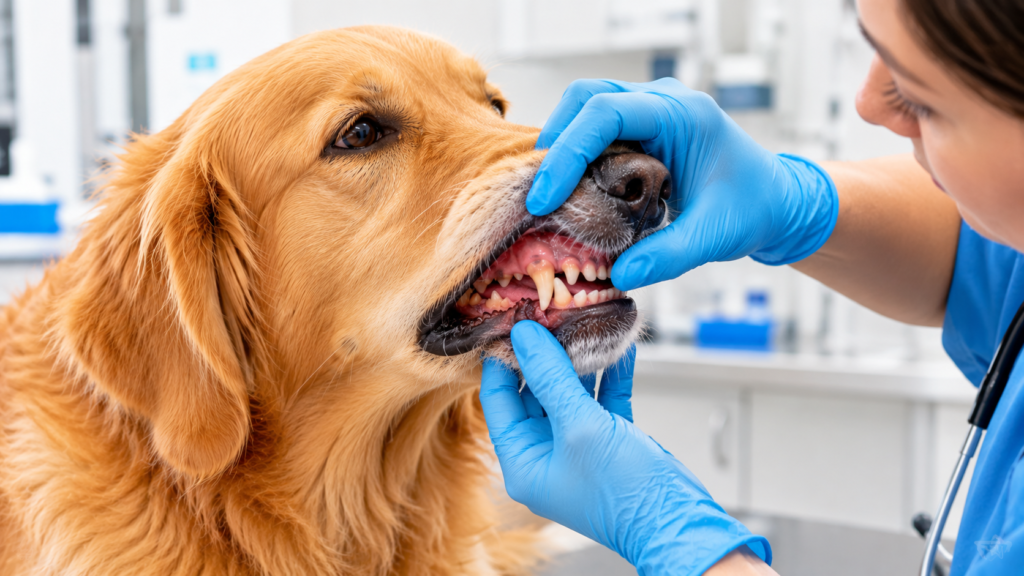
Dry or Sticky Gums
Healthy dog gums are usually moist and slightly slippery.
When a dog becomes dehydrated, the gums may feel dry, sticky, or unusually tacky.
You can gently lift your dog’s lip to look at the gums. If they appear dry rather than moist, dehydration may be a possibility.
However, gum appearance alone cannot confirm dehydration because other medical conditions can also affect gum color and moisture.
Watch for:
- Dry or sticky gums.
- Thick saliva.
- Unusual gum color.
- Discomfort around the mouth.
Pale, white, blue, or gray gums are especially concerning and require urgent veterinary attention.
Loss of Skin Elasticity
Skin elasticity is one of the traditional ways to check for possible dehydration.
When a dog is properly hydrated, its skin generally returns to its normal position quickly after being gently lifted.
When fluid levels are low, the skin may return more slowly.
To perform a simple observation:
- Gently lift a small fold of skin over your dog’s shoulder area.
- Release it without pulling or squeezing.
- Observe how quickly it returns to its original position.
If the skin remains raised or returns slowly, dehydration may be present.
This test is not always reliable. Older dogs, overweight dogs, and pets with certain skin conditions may have different skin elasticity even when adequately hydrated.
Sunken Eyes
Sunken or unusually dull-looking eyes can be a sign of significant dehydration.
As fluid loss becomes more serious, the tissues around the eyes may lose their normal fullness.
You may notice that your dog’s eyes appear less bright or seem deeper in their sockets than usual.
Sunken eyes can also occur with other serious illnesses, so they should never be ignored.
Excessive Panting
Dogs naturally pant to regulate their body temperature, especially after exercise or during warm weather.
However, excessive or unusual panting may indicate overheating, dehydration, pain, or another medical problem.
A dehydrated dog may pant more heavily because the body is struggling to maintain normal temperature and fluid balance.
Possible warning signs include:
- Heavy panting without recent exercise.
- Panting that continues after resting.
- Restlessness during hot weather.
- Weakness combined with rapid breathing.
If heavy panting occurs with collapse, vomiting, confusion, or extreme weakness, seek emergency veterinary care.
Reduced Energy and Weakness
Dehydration can affect circulation and the delivery of oxygen and nutrients throughout the body.
As a result, a dog may become tired, weak, or less interested in normal activities.
You may notice that your dog:
- Sleeps more than usual.
- Avoids playing.
- Walks more slowly.
- Becomes reluctant to exercise.
- Has difficulty standing in severe cases.
Sudden or significant weakness requires prompt veterinary assessment.
Reduced Urination
Water is necessary for normal kidney function and urine production.
When a dog becomes dehydrated, the body tries to conserve water. This can cause the kidneys to produce smaller amounts of more concentrated urine.
Possible changes include:
- Urinating less frequently.
- Producing smaller amounts of urine.
- Darker yellow urine.
- Stronger-smelling urine.
However, reduced urination can also indicate kidney problems, urinary obstruction, or other medical conditions.
If your dog cannot urinate, repeatedly strains without producing urine, or appears painful, seek emergency veterinary care.
Loss of Appetite
Some dehydrated dogs become less interested in food.
This may happen because dehydration is associated with nausea, weakness, fever, gastrointestinal illness, or other underlying problems.
You might notice that your dog approaches its food bowl but eats only a small amount or refuses meals completely.
A loss of appetite combined with vomiting, diarrhea, or weakness should be taken seriously.
Thick or Rope-Like Saliva
Normal saliva helps keep the mouth moist and supports swallowing.
When a dog loses too much fluid, saliva may become thicker or more noticeable around the lips.
You may observe sticky saliva, unusual drooling, or a dry mouth.
These changes can accompany dry gums and other signs of dehydration.
If thick saliva occurs with difficulty swallowing or breathing, seek immediate veterinary assistance.
Collapse or Severe Weakness
Collapse is one of the most serious warning signs associated with severe dehydration or related complications.
A dog may become unable to stand, appear confused, respond slowly, or lose consciousness.
Severe fluid loss can reduce circulating blood volume and interfere with the delivery of oxygen to important organs.
Emergency signs include:
- Collapse or fainting.
- Inability to stand.
- Severe weakness.
- Very pale or blue gums.
- Confusion or reduced responsiveness.
- Difficulty breathing.
These symptoms require immediate veterinary care. Do not delay treatment while attempting home hydration.
Common Causes of Dehydration in Dogs
Dehydration can develop from environmental conditions, inadequate water intake, excessive fluid loss, or underlying illnesses.
Understanding the cause is important because replacing water alone may not solve the problem.
Hot Weather and High Temperatures
Hot weather is one of the common environmental risk factors for dehydration.
Dogs use panting to release heat. During prolonged exposure to high temperatures, particularly with inadequate access to water, they may lose significant amounts of moisture.
Dogs that spend time outdoors without shade or fresh drinking water are at greater risk.
Heat-related illness can develop alongside dehydration and may become life-threatening.
Excessive Exercise
Running, walking, hiking, and playing can increase a dog’s water requirements.
During physical activity, dogs pant more to regulate their body temperature.
Long periods of exercise without sufficient rest and drinking opportunities can increase the risk of dehydration.
This is especially important during warm or humid weather.
Vomiting
Repeated vomiting can cause a dog to lose substantial amounts of water and electrolytes.
A dog that vomits several times may become dehydrated even if it initially appears active.
Vomiting can also make drinking difficult because the dog may struggle to keep fluids down.
If vomiting continues or occurs alongside weakness, blood, or abdominal pain, veterinary attention is necessary.
Diarrhea
Diarrhea can lead to rapid fluid loss because the body removes additional water through frequent loose stools.
Severe or persistent diarrhea can also cause electrolyte imbalances.
Puppies and small dogs may be particularly vulnerable because they have less fluid reserve than larger adult dogs.
Fever and Infection
A dog with a fever may require more fluids than usual.
Illness can increase fluid requirements while simultaneously reducing appetite and water intake.
Certain infections may also cause vomiting, diarrhea, and excessive fluid loss.
Kidney Disease
The kidneys help regulate water balance and remove waste from the body.
Some kidney conditions interfere with the body’s ability to conserve water, causing increased urination and a greater risk of dehydration.
Dogs with kidney disease may need individualized hydration and nutritional plans from a veterinarian.
Diabetes
Diabetes can cause increased thirst and frequent urination.
When blood glucose levels become too high, the body may lose additional water through urine.
If fluid intake does not keep up with these losses, dehydration can develop.
Increased thirst and urination should be evaluated by a veterinarian rather than treated as ordinary behavior.
Inadequate Access to Fresh Water
Some dogs become dehydrated simply because they cannot access enough clean drinking water.
This may happen when:
- Water bowls are empty.
- Water becomes dirty or contaminated.
- A dog is left outside without a drinking source.
- Travel interrupts its normal drinking routine.
- Multiple pets compete for the same water bowl.
Providing fresh water throughout the day is an essential part of responsible dog care.
Which Dogs Are at Higher Risk of Dehydration?
Although any dog can become dehydrated, certain groups may be more vulnerable.
| Dog Group | Why They May Be at Higher Risk |
|---|---|
| Puppies | Smaller bodies and developing temperature regulation |
| Senior dogs | Age-related health conditions and reduced thirst response |
| Small breeds | Less fluid reserve compared with larger dogs |
| Active dogs | Increased water requirements during exercise |
| Sick dogs | Vomiting, diarrhea, fever, or reduced drinking |
| Dogs with kidney disease | Problems regulating fluid balance |
| Dogs with diabetes | Increased urination and fluid loss |
Puppies
Puppies require special attention because their smaller bodies have less reserve when fluid loss occurs.
Vomiting, diarrhea, or inadequate water intake can cause problems quickly.
Puppies should always have access to suitable fresh water and should be monitored carefully during illness.
Senior Dogs
Older dogs may have medical conditions that affect their ability to maintain normal hydration.
Some senior pets also have reduced thirst responses or mobility problems that make reaching a water bowl more difficult.
Keeping water bowls accessible can help encourage regular drinking.
Dogs With Existing Medical Conditions
Dogs with diabetes, kidney disease, gastrointestinal conditions, or other chronic illnesses may have additional hydration requirements.
Their water intake should be monitored according to veterinary recommendations.
Do not restrict water unless a veterinarian specifically instructs you to do so for a medical procedure or treatment.
How to Check If Your Dog Is Dehydrated
Home observations can help identify possible dehydration, but they cannot replace a veterinary examination.
Several simple checks may provide useful information.
Check the Gums
Gently lift your dog’s lip and observe the gum surface.
Healthy gums are generally moist, while dry or sticky gums may indicate dehydration.
Also look for unusual gum colors.
Pale, white, blue, or gray gums require urgent veterinary attention.
Perform the Skin Turgor Test
Gently lift a small fold of skin over the shoulder area and release it.
Observe whether it returns to its normal position quickly.
Slow skin return may indicate reduced hydration, but this test can be less accurate in senior, thin, overweight, or very young dogs.
Monitor Water Consumption
Pay attention to how much your dog drinks throughout the day.
Sudden increases or decreases in water consumption can provide important information about its health.
You can also observe whether your dog is drinking but continuing to show signs of dehydration.
Observe Urine Production
Monitor your dog’s normal bathroom routine.
Reduced urination, unusually dark urine, or difficulty urinating may indicate a medical problem.
Do not assume that reduced urination is caused only by dehydration.
Check Energy and Behavior
Changes in normal activity can help identify illness.
If your dog becomes unusually tired, refuses food, pants excessively, or avoids movement, consider dehydration and other possible medical causes.
How Much Water Does a Dog Need Daily?
A dog’s daily water requirement depends on its weight, activity level, diet, health, age, and environmental temperature.
A commonly used general estimate is approximately 50–60 milliliters of water per kilogram of body weight per day.
However, this is only a starting guideline, not a strict target for every dog.
Daily Water Intake by Dog Weight
The following table provides approximate daily water intake estimates using 50–60 ml per kilogram.
| Dog Weight | Approximate Daily Water Intake |
|---|---|
| 2 kg | 100–120 ml |
| 5 kg | 250–300 ml |
| 10 kg | 500–600 ml |
| 15 kg | 750–900 ml |
| 20 kg | 1,000–1,200 ml |
| 25 kg | 1,250–1,500 ml |
| 30 kg | 1,500–1,800 ml |
| 40 kg | 2,000–2,400 ml |
These amounts represent approximate total daily water needs. Dogs eating wet food may obtain a substantial portion of their water from meals.
Hot weather, exercise, pregnancy, nursing, and illness can increase water requirements.
Some medical conditions may also change normal drinking patterns. Always discuss unusual thirst or reduced drinking with your veterinarian.
How to Treat Dehydration in Dogs
Treatment depends on how severe the dehydration is and what caused it.
Mild cases may improve with appropriate voluntary drinking and management of the underlying cause. Moderate or severe dehydration generally requires veterinary treatment.
Offer Fresh Drinking Water
If your dog is alert, able to swallow normally, and not repeatedly vomiting, provide access to clean, fresh water.
Use a clean bowl and allow your dog to drink voluntarily.
Do not force large amounts of water into its mouth because this can create a risk of choking or aspiration.
If your dog refuses water or continues showing symptoms, contact a veterinarian.
Provide Small Opportunities to Drink
Some dogs may be more comfortable drinking smaller amounts at a time.
Keep fresh water nearby and allow your dog to drink voluntarily.
However, do not delay veterinary treatment if the dog has significant weakness, repeated vomiting, collapse, or other serious symptoms.
Use Wet Dog Food When Appropriate
Wet dog food contains more moisture than most dry food and can help increase overall water intake.
If your dog is otherwise stable and willing to eat, adding an appropriate amount of wet food may support hydration.
However, wet food is not a substitute for veterinary fluid treatment in a dehydrated or seriously ill dog.
Veterinary Fluid Therapy
Dogs with moderate or severe dehydration may require fluids administered by a veterinarian.
The treatment method depends on the dog’s condition.
Common options include:
Intravenous (IV) fluids
IV fluids are administered directly into a vein. They are often used for severe dehydration, shock, significant electrolyte abnormalities, or dogs that cannot maintain hydration by drinking.
Subcutaneous fluids
Subcutaneous fluids are given under the skin and may be appropriate for selected stable patients with certain hydration needs.
They are not suitable for every case of dehydration.
Other supportive treatment
The veterinarian may also recommend medication, diagnostic testing, or treatment for the underlying cause, such as vomiting, diarrhea, infection, or kidney disease.
10 Effective Ways to Prevent Dehydration in Dogs
Preventing dehydration is easier than managing a serious fluid imbalance.
A consistent hydration routine can help protect your dog in different weather conditions and life stages.
Keep Fresh Water Available All Day
Always provide access to clean drinking water.
Check your dog’s water bowl regularly, especially during hot weather.
If your dog spends time outdoors, provide water in a shaded and accessible location.
Clean Water Bowls Regularly
Dirty bowls can collect food particles, saliva, and bacteria.
Wash water bowls regularly with soap and clean water.
Refill them with fresh water to encourage your dog to drink.
Carry Water During Walks
Bring a portable water bottle and collapsible bowl when walking or traveling with your dog.
Offer drinking opportunities during long activities, especially when temperatures are high.
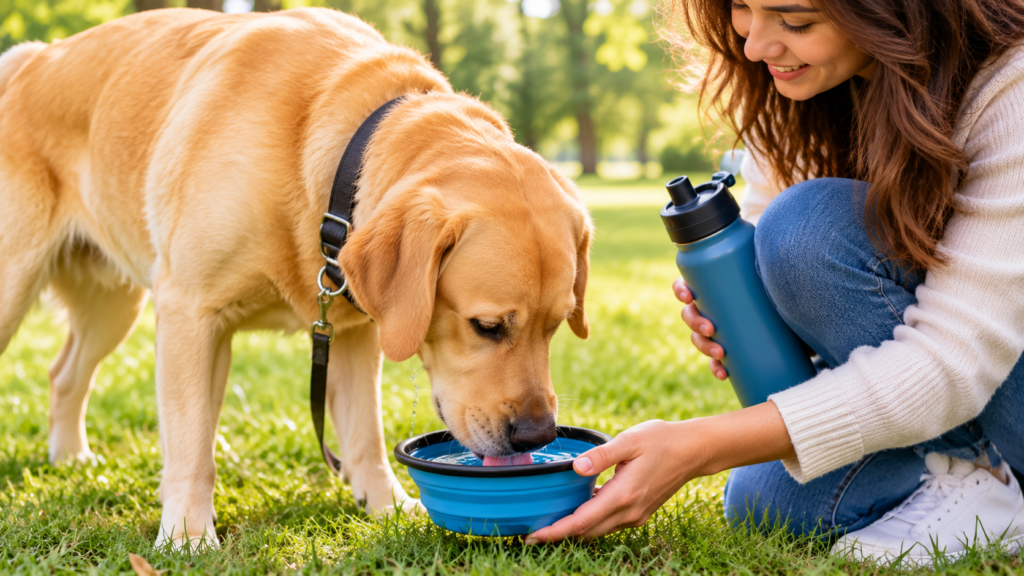
Do not wait until your dog shows signs of excessive thirst.
Avoid Excessive Exercise in Hot Weather
Exercise can increase fluid loss and body temperature.
During hot weather:
- Walk your dog during cooler morning or evening hours.
- Avoid prolonged exercise in direct sunlight.
- Provide shaded rest areas.
- Offer frequent opportunities to drink.
- Watch for excessive panting and weakness.
Never leave a dog inside a parked vehicle, even for a short period.
Include Moisture-Rich Food When Suitable
Wet dog food contains substantial moisture and can help increase water consumption through meals.
You can discuss suitable food choices with your veterinarian based on your dog’s nutritional needs.
Avoid adding ingredients that are unsafe for dogs.
Monitor Dogs With Chronic Conditions
Dogs with diabetes, kidney disease, and other chronic conditions may require additional hydration monitoring.
Follow your veterinarian’s recommendations for water intake, medication, and regular health checks.
Provide Extra Water During Travel
Travel can interrupt a dog’s normal drinking routine.
Bring enough clean water for the journey and provide regular drinking opportunities.
Keep your dog’s familiar water bowl or a suitable travel bowl available to encourage drinking.
Watch for Vomiting and Diarrhea
Vomiting and diarrhea can cause significant fluid loss.
Monitor your dog closely if either condition develops.
Contact a veterinarian when symptoms are repeated, persistent, severe, or accompanied by weakness, blood, or reduced drinking.
Make Water Easy to Reach
Place water bowls in locations your dog can access comfortably.
Senior dogs, puppies, and pets with mobility problems may benefit from having more than one water bowl around the home.
Observe Changes in Drinking Habits
Learn your dog’s normal drinking routine.
Sudden increases or decreases in water consumption can indicate an underlying health issue.
Keep a simple record if you notice unusual changes and share it with your veterinarian.
Dog Dehydration vs. Heatstroke: What Is the Difference?
Dehydration and heatstroke are related but different conditions.
Dehydration involves a loss of body fluids, while heatstroke occurs when the body becomes dangerously overheated and cannot regulate its temperature effectively.
A dog can experience dehydration without heatstroke, but severe heat exposure can cause both conditions to develop together.
| Feature | Dehydration | Heatstroke |
|---|---|---|
| Main problem | Excessive fluid loss | Dangerous overheating |
| Common causes | Vomiting, diarrhea, reduced drinking, heat | High temperatures, strenuous exercise, hot environments |
| Common symptoms | Dry gums, weakness, reduced urination | Heavy panting, weakness, vomiting, confusion |
| Main concern | Fluid and electrolyte imbalance | Damage to organs and body tissues |
| Urgency | Depends on severity | Always a veterinary emergency when suspected |
Signs of Heatstroke in Dogs
Watch for:
- Very heavy or unusual panting.
- Excessive drooling.
- Vomiting or diarrhea.
- Bright red or unusually pale gums.
- Difficulty walking.
- Confusion or collapse.
- Seizures in severe cases.
Suspected heatstroke requires immediate emergency veterinary care.
Move the dog to a cooler environment and begin cooling its body with cool or room-temperature water while arranging transport. Avoid ice baths or extreme cooling methods, and do not delay veterinary treatment.
Common Mistakes Dog Owners Should Avoid
Some well-intentioned actions can make dehydration more difficult to manage.
Avoid these mistakes:
- Forcing water into the mouth: This can cause choking or aspiration.
- Ignoring repeated vomiting: Ongoing fluid loss can quickly worsen dehydration.
- Assuming a wet nose means proper hydration: Nose moisture is not a reliable hydration test.
- Offering sugary drinks: Human sports drinks and sweetened beverages are not appropriate substitutes for veterinary fluid treatment.
- Ignoring reduced urination: It can indicate dehydration or another serious medical condition.
- Waiting too long during heat exposure: Heatstroke can become life-threatening rapidly.
- Restricting drinking water: Water should remain freely available unless a veterinarian gives specific medical instructions.
- Treating severe dehydration at home: Serious dehydration requires professional veterinary assessment and treatment.
Frequently Asked Questions About Dog Dehydration
What are the first signs of dehydration in dogs?
Early signs may include increased thirst, dry or sticky gums, thicker saliva, and reduced energy. More serious dehydration can cause sunken eyes, weakness, and reduced urination.
How can I tell if my dog is dehydrated at home?
You can observe gum moisture, skin elasticity, energy levels, water intake, and urination. However, these checks cannot reliably determine the exact severity of dehydration. A veterinarian can perform a proper examination and necessary tests.
How quickly can a dog become dehydrated?
The time depends on the dog’s size, age, health, environment, and amount of fluid loss. Repeated vomiting, severe diarrhea, and prolonged heat exposure can cause dehydration to develop quickly.
Can a dog recover from dehydration?
Yes. Many dogs recover when dehydration is identified early and treated appropriately. Mild cases may improve with voluntary drinking, while more serious cases require veterinary fluid therapy and treatment of the underlying cause.
Can wet food help prevent dehydration in dogs?
Yes. Wet dog food contains more moisture than dry kibble and can contribute to daily water intake. However, dogs still need access to fresh drinking water.
Why is my dog drinking water but still dehydrated?
An underlying illness may cause the dog to lose water faster than it can replace it. Kidney disease, diabetes, vomiting, and diarrhea are possible causes. Persistent dehydration despite drinking requires veterinary assessment.
Should I give my dehydrated dog Pedialyte or a sports drink?
Do not give human electrolyte drinks or sports drinks without veterinary advice. Their ingredients and electrolyte levels may not be appropriate for dogs. A veterinarian can recommend suitable fluid replacement based on the dog’s condition.
How much water should a dog drink each day?
A general estimate is approximately 50–60 ml of water per kilogram of body weight daily. Actual needs vary according to diet, activity, weather, age, and health.
Can dehydration cause kidney problems in dogs?
Severe or prolonged dehydration can reduce blood flow to the kidneys and contribute to acute kidney injury. Dogs with existing kidney disease may also have difficulty maintaining normal fluid balance.
When should I take my dehydrated dog to the veterinarian?
Seek veterinary care if your dog has persistent vomiting or diarrhea, refuses water, shows marked weakness, has sunken eyes, or produces very little urine. Collapse, pale or blue gums, severe weakness, or breathing difficulties require emergency attention.
Conclusion
Dog dehydration is a potentially serious condition that can affect dogs of every age and breed. It develops when the body loses more fluids than it replaces, often because of hot weather, exercise, vomiting, diarrhea, or underlying medical conditions.
Recognizing the warning signs is essential. Dry gums, reduced urination, excessive panting, sunken eyes, loss of appetite, and unusual weakness can all indicate a hydration problem.
The best way to protect your dog is to provide fresh drinking water throughout the day, monitor changes in drinking habits, avoid excessive heat exposure, and pay attention to illnesses that cause fluid loss.
If your dog shows signs of moderate or severe dehydration, seek veterinary care rather than relying on home remedies. With early attention, proper treatment, and consistent preventive care, you can help your dog maintain healthy hydration and overall well-being.