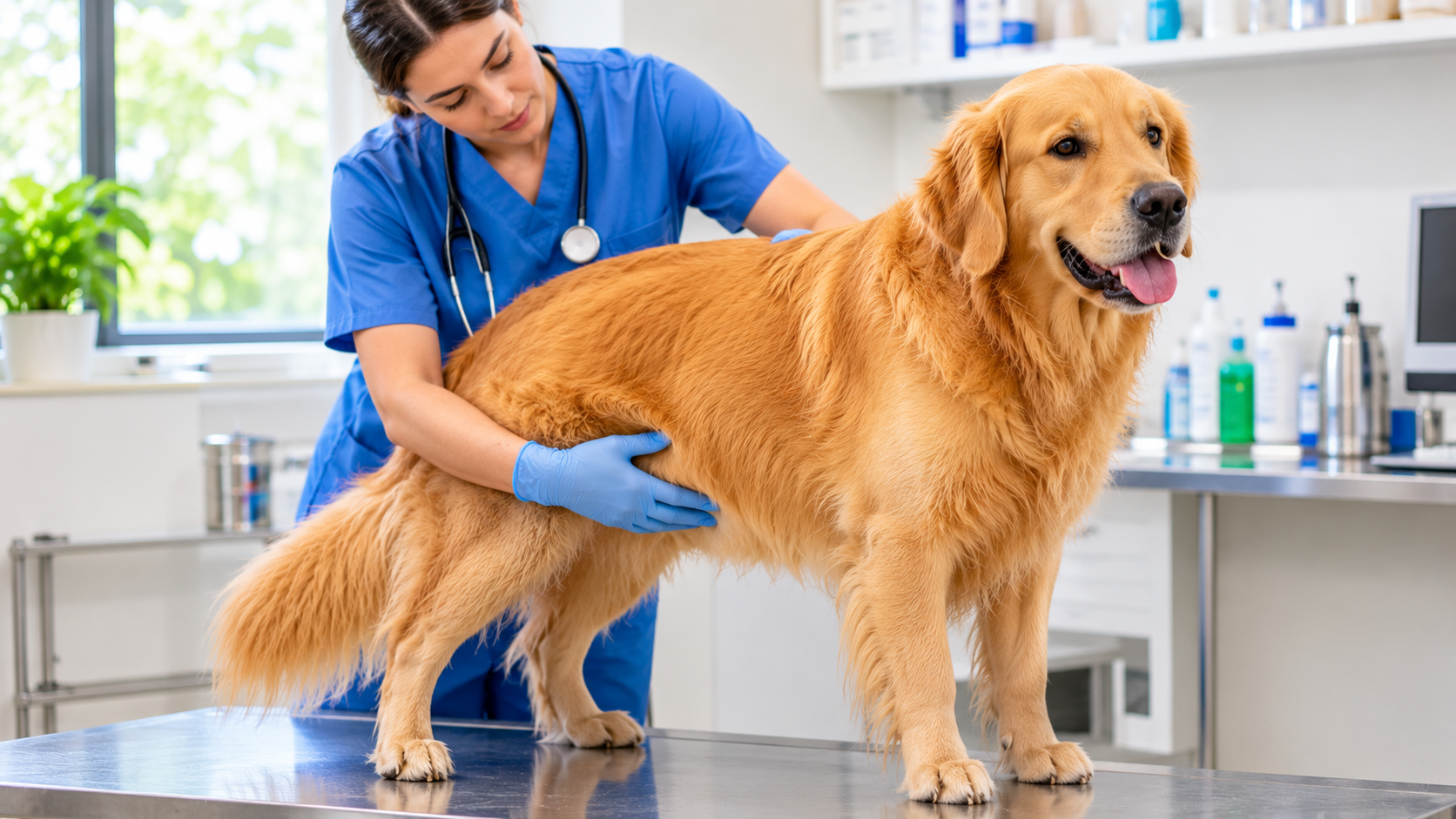


Heartworm Disease in Dogs: Symptoms, Prevention and Treatment
Heartworm disease in dogs is a potentially life-threatening parasitic infection that affects the heart, lungs, and blood vessels. It is caused by a parasitic worm called Dirofilaria immitis, which spreads from one animal to another through infected mosquitoes.
Unlike some intestinal parasites, heartworms do not usually live in a dog’s digestive system. Instead, they travel through the body and eventually develop into adult worms that mainly live in the pulmonary arteries, the blood vessels connecting the heart to the lungs. In advanced infections, they may also occupy the right side of the heart.
Heartworm disease can develop gradually, and many infected dogs show no noticeable symptoms during the early stages. As the infection progresses, dogs may develop persistent coughing, tiredness, breathing difficulties, weight loss, and signs of heart failure.
The good news is that heartworm disease is largely preventable through appropriate veterinary-prescribed medication and regular testing. Even when an infection occurs, many dogs can be treated successfully when the condition is diagnosed and managed properly.
This guide explains the causes, transmission, symptoms, stages, diagnosis, prevention, treatment, and recovery of heartworm disease in dogs.
What Is Heartworm Disease in Dogs?
Heartworm disease is an infection caused by a long, thin parasitic worm known as Dirofilaria immitis.
Adult heartworms live mainly in the pulmonary arteries, where they can cause inflammation, damage blood vessels, and interfere with normal blood circulation.
When the infection becomes severe, the heart may struggle to pump blood effectively. This can eventually lead to pulmonary hypertension, right-sided heart failure, and other serious complications.
How Do Heartworms Affect a Dog’s Body?
Heartworms can damage several important parts of a dog’s body.
| Body Part | Possible Effects |
|---|---|
| Pulmonary arteries | Inflammation and damage to blood vessel walls |
| Lungs | Breathing difficulties, coughing, and inflammation |
| Heart | Increased workload and possible heart failure |
| Blood circulation | Reduced circulation and cardiovascular complications |
| Liver and kidneys | Possible secondary damage in advanced disease |
The severity of the disease depends on factors such as the number of worms, the duration of infection, the dog’s overall health, and the amount of damage already present.
How Do Dogs Get Heartworm Disease in Dogs?
Heartworm disease spreads through the bite of an infected mosquito. Dogs do not normally become infected simply by playing with, eating near, or living with another infected dog.
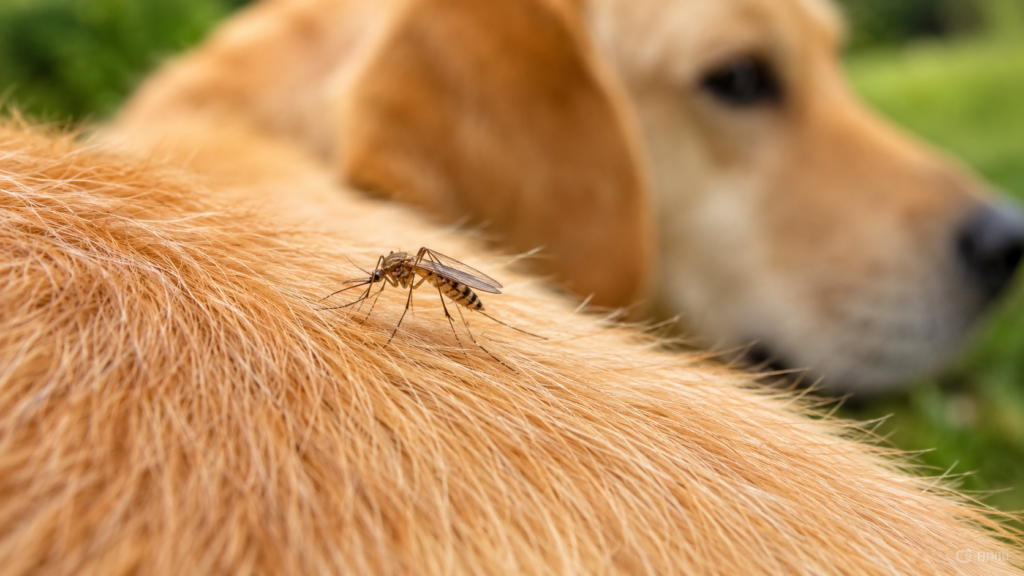
A mosquito acts as an intermediate host, allowing the parasite to develop before it can infect another animal.
The Heartworm Life Cycle
Understanding the heartworm life cycle helps explain why regular prevention and testing are important.
The infection develops through several stages.
An Infected Mosquito Bites a Dog
When a mosquito feeds on an animal carrying heartworm microfilariae, it may ingest these immature parasites along with the blood.
Larvae Develop Inside the Mosquito
Inside the mosquito, the parasites develop into an infective larval stage. This development generally takes around 10–14 days under suitable environmental conditions, although temperature affects the process.
The Mosquito Transmits Infective Larvae
When the infected mosquito bites another dog, infective larvae enter the dog’s body through the bite wound.
Larvae Mature Inside the Dog
The larvae move through tissues and gradually develop into immature and then adult heartworms.
This process takes approximately six months from infection to mature adult worms.
Adult Heartworms Reach the Heart and Lungs
Adult worms primarily settle in the pulmonary arteries. In heavy infections, they may also occupy the right side of the heart.
Adult female worms can produce microscopic offspring called microfilariae, which circulate in the bloodstream and may be picked up by another mosquito.
Can Dogs Get Heartworm From Other Dogs?
No. Heartworm disease is not normally transmitted through direct contact between dogs.
An infected mosquito must carry the parasite from an infected animal to a susceptible animal.
This means that even dogs that spend most of their time indoors may be at risk if infected mosquitoes enter the home.
Symptoms of Heartworm Disease in Dogs
Heartworm symptoms often develop gradually. Some infected dogs may appear completely healthy for months, even while the parasites are damaging their lungs and blood vessels.
The symptoms depend on the severity of the infection and the amount of damage caused by the worms.
Early Symptoms of Heartworm Disease
During the early stages, symptoms may be mild or difficult to recognize.
Persistent Mild Cough
A mild but ongoing cough is one of the common early signs of heartworm disease.
The cough may become more noticeable after exercise or excitement.
Reduced Energy
An infected dog may become less active than usual. Activities that were previously enjoyable may start to seem tiring.
Exercise Intolerance
Dogs with heartworm disease may struggle to tolerate normal physical activity.
For example, a dog that previously enjoyed long walks may begin stopping frequently or become tired after a short walk.
Reduced Appetite
Some infected dogs may eat less than usual, particularly as the disease progresses.
A reduced appetite can also contribute to weight loss.
Unexplained Weight Loss
Long-term infection can cause gradual weight loss and a decline in overall body condition.
Advanced Symptoms of Heartworm Disease
When the infection becomes more severe, symptoms can affect breathing, circulation, and heart function.
Persistent or Severe Coughing
The cough may become more frequent and noticeable as damage to the lungs and pulmonary arteries increases.
Some dogs may also cough after light activity.
Difficulty Breathing
A dog may breathe rapidly, struggle to breathe, or show increased effort when inhaling.
Breathing difficulties can indicate serious heart or lung complications.
Swollen Abdomen
In advanced disease, fluid may accumulate inside the abdomen because of right-sided heart failure.
This can make the dog’s belly appear enlarged or swollen.
Fainting or Collapse
Reduced circulation and serious cardiovascular problems can cause fainting or sudden collapse.
This requires immediate veterinary attention.
Coughing Up Blood
In some severe cases, a dog may cough up blood because of significant damage to the respiratory system.
This is an emergency warning sign.
Pale or Bluish Gums
Abnormal gum color may indicate poor circulation or inadequate oxygen delivery.
Pale, gray, or bluish gums should always be treated as an urgent warning sign.
Symptoms at a Glance
| Symptom | What Owners May Notice |
|---|---|
| Persistent cough | Repeated coughing over time |
| Fatigue | Reduced energy and unusual tiredness |
| Exercise intolerance | Difficulty completing normal activities |
| Weight loss | Gradual loss of body weight |
| Reduced appetite | Eating less than usual |
| Breathing difficulties | Rapid or labored breathing |
| Swollen abdomen | Fluid accumulation in the belly |
| Fainting | Sudden weakness or loss of consciousness |
| Coughing up blood | Blood appearing during coughing |
Important: If your dog has difficulty breathing, collapses, coughs up blood, or develops pale or bluish gums, seek emergency veterinary care immediately.
Stages of Heartworm Disease in Dogs
Veterinarians commonly classify canine heartworm disease into four clinical classes. These classifications help describe disease severity and guide treatment decisions.
Class 1: Mild Disease
Dogs in this category may show no symptoms or only occasional coughing.
The infection may be discovered during routine heartworm testing rather than because the dog appears sick.
Class 2: Moderate Disease
Dogs may develop more noticeable symptoms, including:
- Occasional or persistent coughing
- Reduced energy
- Tiredness after moderate activity
- Mild changes in physical condition
At this stage, damage to the lungs and pulmonary arteries may be developing.
Class 3: Severe Disease
Severe heartworm disease can cause significant damage to the heart and lungs.
Possible symptoms include:
- Persistent coughing
- Difficulty breathing
- Severe exercise intolerance
- Weight loss
- Weakness
- Fluid accumulation in the abdomen
Dogs in this category may require additional stabilization before beginning adult heartworm treatment.
Class 4: Caval Syndrome
Caval syndrome is a particularly dangerous complication associated with heavy heartworm infections.
A large number of worms can interfere with blood flow through the right side of the heart and major veins.
Symptoms may include:
- Sudden severe weakness
- Difficulty breathing
- Pale or yellowish gums
- Dark or reddish-brown urine
- Collapse
- Signs of severe cardiovascular failure
Caval syndrome is a life-threatening emergency. It may require urgent surgical removal of the worms.
Which Dogs Are at Risk of Heartworm Disease?
Any dog exposed to infected mosquitoes can develop heartworm disease. Breed, age, size, and lifestyle do not provide complete protection.
However, certain circumstances can increase the likelihood of exposure.
Dogs Living in Mosquito-Prone Areas
Dogs living in warm or humid environments may experience greater mosquito exposure.
Areas with standing water, poor drainage, and high mosquito populations can create favorable conditions for mosquito breeding.
Dogs That Spend Time Outdoors
Dogs that regularly spend time outside may have more opportunities to encounter mosquitoes.
However, indoor dogs are not completely protected because mosquitoes can enter homes.
Dogs Without Regular Preventive Medication
Dogs that do not receive appropriate heartworm prevention may be more vulnerable to infection.
Missed or delayed preventive doses can also create gaps in protection.
Dogs With a History of Missed Prevention
Dogs that have missed several doses or started prevention without appropriate testing may require additional veterinary assessment.
Puppies and Adult Dogs
Dogs of different ages can become infected.
Puppies may begin an appropriate preventive program at a young age under veterinary guidance. Adult dogs that have never received prevention should be evaluated and tested before starting a suitable program.
How Is Heartworm Disease Diagnosed in Dogs?
Heartworm disease cannot be reliably diagnosed by observing symptoms alone.
Some infected dogs show no obvious signs, while other health problems can produce similar symptoms.
Veterinarians use blood tests and additional diagnostic procedures to confirm infection and evaluate its severity.

Heartworm Antigen Test
The antigen test is commonly used to detect proteins associated with adult female heartworms.
A small blood sample is collected and examined for evidence of infection.
However, this test may not detect very early infections because adult worms need time to mature.
Microfilaria Test
A microfilaria test checks whether immature heartworms are circulating in the dog’s bloodstream.
It can help identify infections in which adult worms are producing offspring.
Not every infected dog has detectable microfilariae, so a negative result does not necessarily rule out heartworm disease.
Chest X-Rays
Chest X-rays help veterinarians evaluate the lungs, pulmonary arteries, and overall appearance of the heart.
They can reveal changes associated with heartworm-related damage.
Echocardiography
An echocardiogram uses ultrasound to examine the heart.
It may help identify adult worms within the heart or nearby blood vessels, particularly in advanced infections.
Additional Blood Tests
A veterinarian may recommend other laboratory tests to assess the dog’s general health and identify complications.
These may include:
- Complete blood count
- Blood chemistry testing
- Kidney function assessment
- Liver function assessment
- Urinalysis
Heartworm Diagnostic Tests
| Diagnostic Test | Main Purpose |
|---|---|
| Antigen test | Detects proteins associated with adult female heartworms |
| Microfilaria test | Checks for immature heartworms in the bloodstream |
| Chest X-ray | Evaluates heart and lung changes |
| Echocardiogram | Examines the heart and may visualize worms |
| Blood chemistry | Evaluates organ function and general health |
| Urinalysis | Helps assess kidney function and other abnormalities |
Heartworm Treatment for Dogs
Heartworm treatment depends on the severity of the infection, the dog’s overall health, and the availability of appropriate veterinary medicines.
Treatment is not simply a matter of giving a routine deworming tablet. Adult heartworms can cause serious complications when they die, so treatment must be carefully planned and monitored.
The goal is to eliminate the parasites while reducing damage to the heart, lungs, and blood vessels.
Confirming the Diagnosis
Before starting treatment, the veterinarian may confirm a positive test using additional testing.
This is important because heartworm treatment can be complex and requires careful medical supervision.
The veterinarian also evaluates the dog’s health to determine whether it needs stabilization before treatment.
Restricting Physical Activity
Exercise restriction is one of the most important parts of heartworm treatment.
When infected dogs exercise, their heart rate and blood flow increase. This can worsen damage to the pulmonary arteries and increase the risk of complications.
Dogs undergoing treatment generally need strict activity restriction.
This may include:
- Short, controlled leash walks for bathroom breaks
- No running or jumping
- No strenuous play
- No long walks
- Avoiding excitement and unnecessary physical activity
The veterinarian will explain how long restrictions must continue. Rest is usually required throughout treatment and for a period afterward.
Antibiotic and Supportive Medication
Veterinarians may prescribe doxycycline as part of a treatment plan to target bacteria called Wolbachia, which live inside heartworms and contribute to disease-related inflammation.
Other medications may be used depending on the dog’s condition.
These can include anti-inflammatory medicines and supportive treatments for complications.
Never give antibiotics or other medicines without veterinary instructions.
Adult Heartworm Treatment
Melarsomine dihydrochloride is the established adulticide medication used in standard canine heartworm treatment protocols where available.
It is administered by a veterinarian through injections into the muscles of the back.
The treatment schedule depends on the selected protocol and the dog’s condition.
A commonly recommended approach uses an initial injection followed by two additional injections after a specified interval. This approach helps eliminate adult worms while managing the risks associated with their death.
Treatment of Severe Heartworm Disease
Dogs with advanced heartworm disease may require additional care before adulticide treatment.
Veterinary treatment may include:
- Oxygen support
- Medication for heart failure
- Management of fluid accumulation
- Treatment of respiratory complications
- Hospital monitoring
- Surgical worm removal in cases of caval syndrome
The exact treatment plan must be tailored to the individual dog.
What Happens When Heartworms Die?
One of the important risks of heartworm treatment is the body’s reaction to dying worms.
When adult heartworms die, their remains can travel into smaller blood vessels in the lungs and contribute to inflammation and obstruction.
This complication is known as pulmonary thromboembolism.
Possible warning signs include:
- Increased coughing
- Difficulty breathing
- Fever
- Severe tiredness
- Reduced appetite
- Coughing up blood
This is one reason why strict exercise restriction is essential during and after treatment.
If any concerning symptoms develop, contact the treating veterinarian immediately.
Recovery After Heartworm Treatment
Recovery from heartworm disease takes time. Even after treatment begins eliminating the parasites, the lungs and blood vessels may need weeks or months to recover.
Some dogs improve gradually, while those with advanced disease may need longer-term monitoring.
Follow the Exercise Restriction Plan
Continue restricting activity for the entire period recommended by the veterinarian.
Do not allow your dog to return to running, jumping, or strenuous exercise simply because it appears healthier.
Give Medication Exactly as Prescribed
Complete the prescribed treatment schedule.
Do not skip injections, stop medicines early, or change doses without veterinary advice.
Attend Follow-Up Appointments
Follow-up visits allow the veterinarian to monitor recovery and check whether the infection has been successfully treated.
Repeat testing is usually performed at an appropriate interval after treatment.
Monitor Breathing and Energy
Watch for changes in your dog’s breathing, appetite, energy, and general behavior.
Contact the veterinarian if coughing becomes worse, breathing becomes difficult, or your dog develops unusual weakness.
Maintain a Calm Environment
Provide a comfortable resting place and limit unnecessary excitement.
A calm environment makes it easier to maintain the exercise restrictions needed during recovery.
How to Prevent Heartworm Disease in Dogs
Prevention is generally safer and easier than treating an established heartworm infection.
The most effective prevention strategy involves veterinarian-recommended medication, appropriate testing, and reducing mosquito exposure.
Use Veterinary-Prescribed Heartworm Preventives
Heartworm prevention medicines are available in several forms, depending on the product and local availability.
Common options include:
- Monthly chewable tablets
- Monthly topical treatments
- Longer-acting injectable preventives
These products work against susceptible immature heartworm stages before they develop into adult worms.
The correct medication depends on your dog’s age, weight, health, exposure risk, and local veterinary recommendations.
Maintain a Consistent Prevention Schedule
Give preventive medication according to the prescribed schedule.
Missing doses or giving medication late can leave a dog vulnerable to infection.
A calendar reminder can help owners maintain a consistent routine.
Arrange Regular Heartworm Testing
Routine testing helps detect infections that may not yet be causing noticeable symptoms.
Veterinarians commonly recommend annual testing for dogs, including those receiving preventive medication.
Testing schedules may differ for puppies, dogs with missed doses, and animals at higher risk.
Reduce Mosquito Exposure
Although mosquito control cannot guarantee protection, it can help reduce exposure.
Practical steps include:
- Remove standing water from containers and outdoor areas.
- Keep water storage containers covered.
- Repair damaged window and door screens.
- Use veterinarian-approved mosquito protection when appropriate.
- Keep outdoor resting areas clean.
- Avoid unnecessary exposure to areas with heavy mosquito activity.
Never apply household insecticides or human mosquito repellents directly to your dog unless a veterinarian confirms that the product is safe.
Start Prevention at the Appropriate Age
Puppies can usually begin an appropriate heartworm prevention program at a young age.
The exact starting age depends on the product and veterinary recommendations.
Adult dogs that have never received preventive medication should be evaluated before starting a program.
Do Not Rely Only on Natural Remedies
Garlic, herbal products, essential oils, and other home remedies have not been proven to reliably prevent heartworm infection.
Some substances can also be harmful to dogs.
Use a veterinarian-recommended preventive rather than relying on unproven alternatives.
Can Indoor Dogs Get Heartworm Disease?
Yes. Indoor dogs can still develop heartworm disease.
Mosquitoes can enter homes through open doors, windows, and other openings. A single bite from an infected mosquito can potentially transmit heartworm larvae.
Keeping a dog indoors may reduce exposure, but it does not eliminate the risk.
Indoor dogs should receive appropriate prevention and testing based on veterinary advice.
Can Heartworm Disease Spread From Dogs to Humans?
Heartworm disease is not normally transmitted directly from dogs to people.
The parasite spreads through infected mosquitoes, which act as the transmission route.
Humans can occasionally become accidental hosts after being bitten by an infected mosquito. However, human infections are uncommon and the parasite does not normally develop into adult heartworms in people.
Dogs are the primary domestic host responsible for maintaining the parasite’s life cycle.
Can a Dog Recover Completely From Heartworm Disease?
Many dogs recover successfully when heartworm disease is diagnosed and treated appropriately.
However, the outcome depends on the severity of the infection and the amount of damage already caused.
Dogs with mild or moderate disease may have a better recovery outlook than those with severe heart or lung complications.
Some dogs may continue to experience long-term respiratory or cardiovascular problems even after the parasites have been eliminated.
Early diagnosis, proper treatment, strict rest, and follow-up testing all contribute to a better outcome.
Common Mistakes Dog Owners Should Avoid With Heartworm Disease in Dogs
Heartworm disease can become more difficult to manage when prevention or treatment instructions are ignored.
Avoid these common mistakes:
Skipping Preventive Medication
Missing doses can create gaps in protection and increase the risk of infection.
Assuming Indoor Dogs Are Safe
Mosquitoes can enter homes, so indoor dogs are not completely protected.
Ignoring a Persistent Cough
A cough that continues over time should be evaluated by a veterinarian rather than automatically treated as a minor throat problem.
Starting Medication Without Testing
Adult dogs with an unknown heartworm history may need testing before beginning preventive medication.
Allowing Exercise During Treatment
Physical activity can increase the risk of complications in infected dogs, especially when adult worms are dying.
Stopping Treatment Early
Incomplete treatment can leave the infection unresolved. Always follow the veterinarian’s complete treatment plan.
When Should You Take Your Dog to a Veterinarian?
You should arrange a veterinary appointment if your dog develops:
- A persistent cough
- Unusual tiredness
- Reduced exercise tolerance
- Unexplained weight loss
- Reduced appetite
- Changes in breathing
- A swollen abdomen
Seek emergency veterinary care if your dog experiences:
- Severe difficulty breathing
- Sudden collapse
- Pale or bluish gums
- Coughing up blood
- Severe weakness
- Dark or bloody urine accompanied by sudden illness
Do not wait for multiple symptoms to appear. Early veterinary assessment can help identify heartworm disease before severe complications develop.
Frequently Asked Questions About Heartworm Disease in Dogs
What are the first signs of heartworm disease in dogs?
Early signs may include a mild persistent cough, reduced energy, tiredness after exercise, and decreased appetite. Some infected dogs show no obvious symptoms during the early stages.
How do dogs get heartworms?
Dogs become infected when an infected mosquito bites them and deposits infective heartworm larvae into the skin. The larvae gradually develop into adult worms that mainly live in the pulmonary arteries.
Can heartworm disease kill dogs?
Yes. Severe heartworm disease can cause serious lung damage, heart failure, cardiovascular collapse, and death if it is not treated appropriately.
How long does it take for heartworms to develop in dogs?
Heartworm larvae generally take approximately six months to develop into adult worms after entering a dog’s body.
Can heartworm disease be cured?
Many dogs can be successfully treated using an appropriate veterinary treatment protocol. However, the amount of existing heart and lung damage can affect recovery.
How often should dogs be tested for heartworms?
Annual testing is commonly recommended. Dogs with missed preventive doses, uncertain medical histories, or higher exposure risks may need additional testing based on veterinary advice.
Can puppies get heartworm disease?
Yes. Puppies can become infected through mosquito bites. Veterinarians can recommend an appropriate preventive schedule based on the puppy’s age and weight.
Do indoor dogs need heartworm prevention?
Yes. Mosquitoes can enter homes, so indoor dogs can still be exposed to infected mosquitoes.
Is heartworm disease contagious between dogs?
No. Dogs do not normally transmit heartworms directly to one another. An infected mosquito is required to spread the parasite.
What is the best treatment for heartworm disease in dogs?
Treatment depends on the dog’s health and infection severity. Standard treatment commonly includes exercise restriction, supportive medication, and adulticide injections such as melarsomine under veterinary supervision.
Can heartworm prevention medication kill adult heartworms?
Routine preventive medicines primarily target susceptible immature heartworm stages. They should not be considered a replacement for a veterinarian-directed adult heartworm treatment protocol.
Can a dog get heartworms even while taking preventive medication?
Yes, although properly administered preventives are highly effective. Missed doses, administration problems, or other factors can result in infection. Regular testing remains important.
Is there a vaccine for heartworm disease in dogs?
There is currently no commercially available vaccine that reliably prevents canine heartworm disease. Prevention relies on appropriate medication and regular veterinary testing.
How long do heartworms live inside a dog?
Adult heartworms can survive for several years inside a dog. Their long lifespan allows infection to cause progressive damage if it remains untreated.
Conclusion
Heartworm disease in dogs is a serious parasitic infection that can damage the lungs, pulmonary arteries, and heart. Because mosquitoes transmit the parasite, both indoor and outdoor dogs can be at risk.
The infection may remain unnoticed during its early stages, making routine testing and consistent prevention especially important. Persistent coughing, reduced energy, exercise intolerance, weight loss, and breathing difficulties are warning signs that should not be ignored.
Although heartworm disease can be life-threatening, many infected dogs can recover with appropriate veterinary treatment. Preventive medication, regular testing, mosquito control, and following veterinary instructions can significantly reduce the risk of infection and its complications.
The most important step is to protect your dog before infection occurs. Work with a veterinarian to establish a suitable heartworm prevention and testing schedule based on your dog’s health and local mosquito exposure.