
Dog Cancer Detection 2026: 7 Powerful Advances & 5 Warning Signs
Dog Cancer Detection 2026 is becoming an important area of veterinary research as scientists look for safer and earlier ways to identify cancer in dogs. Traditional diagnosis can involve imaging, blood tests, cytology, and tissue biopsy, but newer research is exploring blood-based liquid biopsy, cell-free DNA, microRNA, next-generation sequencing, and molecular testing. Recent 2026 studies suggest that these technologies may help veterinarians detect cancer earlier or monitor disease more closely, although they still require careful clinical interpretation.
Table of Contents: Dog Cancer Detection 2026
- What Is Dog Cancer Detection 2026?
- 7 Powerful Advances in Dog Cancer Detection 2026
- Liquid Biopsy and Dog Cancer Detection 2026
- cfDNA Research in Dog Cancer Detection 2026
- NGS Testing in Dog Cancer Detection 2026
- MicroRNA and AI in Dog Cancer Detection 2026
- 5 Warning Signs Linked With Dog Cancer Detection 2026
- What Are the Limitations of Dog Cancer Detection 2026?
- Future of Dog Cancer Detection 2026
- Final Thoughts on Dog Cancer Detection 2026
What Is Dog Cancer Detection 2026?
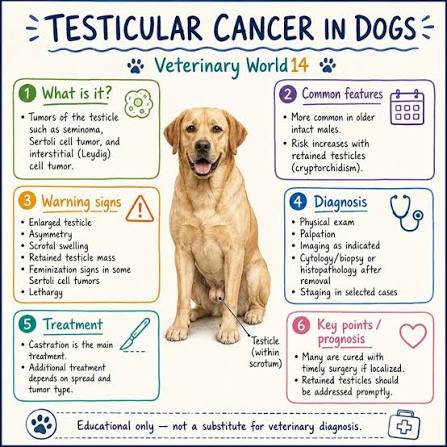
Dog Cancer Detection 2026 refers to modern approaches being studied or used to identify cancer in dogs. The goal is not simply to find a tumor after obvious symptoms appear. Researchers are increasingly interested in detecting biological signals associated with cancer before the disease becomes clinically obvious.
Traditional veterinary cancer diagnosis can include physical examination, bloodwork, ultrasound, X-rays, CT or MRI imaging, fine-needle aspiration, and biopsy. These methods remain important because a veterinarian may need tissue or cellular evidence to confirm exactly what type of cancer is present.
The newer research focuses on minimally invasive methods. A blood sample, for example, may contain fragments of DNA released by tumor cells. Scientists can analyze these molecules to search for patterns associated with cancer. This is one reason liquid biopsy has become an important research direction in Dog Cancer Detection 2026.
7 Powerful Advances in Dog Cancer Detection 2026
1. Liquid Biopsy in Dog Cancer Detection 2026
Liquid biopsy is one of the most interesting developments in Dog Cancer Detection 2026. Instead of taking tissue directly from a tumor, researchers can analyze biological material found in fluids such as blood, urine, or saliva.
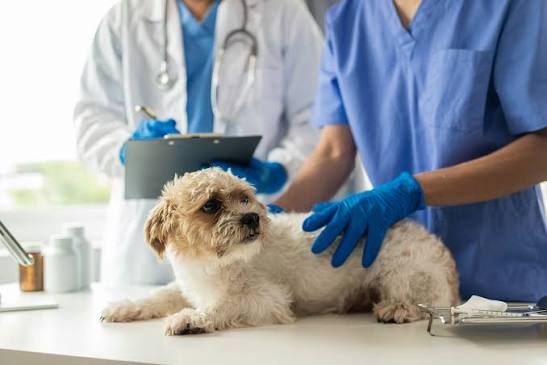
A 2026 review explains that liquid biopsy can examine cancer-related biomarkers, circulating tumor cells, and cell-free DNA. The major attraction is that it is less invasive than conventional tissue biopsy. However, the same review emphasizes that liquid biopsy should not currently be considered a replacement for tissue biopsy.
This creates a positive opportunity for veterinary medicine because repeated blood sampling could potentially make monitoring easier. The negative side is that the technology can be expensive and technically demanding, while accuracy can vary between cancer types.
2. Cell-Free DNA in Dog Cancer Detection 2026
Cell-free DNA, often called cfDNA, is another major area of Dog Cancer Detection 2026 research. These are small DNA fragments circulating in the bloodstream. Cancer can influence the amount and characteristics of this DNA.
A February 2026 study evaluated the OncoCan assay using samples from 83 dogs with neoplasia and 47 healthy dogs. Researchers found significantly higher cfDNA concentrations in dogs with cancer and reported different levels of diagnostic performance across cancer categories.
The results are encouraging, but they should not be interpreted as proof that a blood test can diagnose every cancer in every dog. Larger studies are still needed before these approaches become routine screening tools.
3. NGS Testing in Dog Cancer Detection 2026
Next-generation sequencing, or NGS, is making Dog Cancer Detection 2026 more sophisticated. NGS can analyze large amounts of genetic information from a sample and search for molecular patterns associated with cancer.
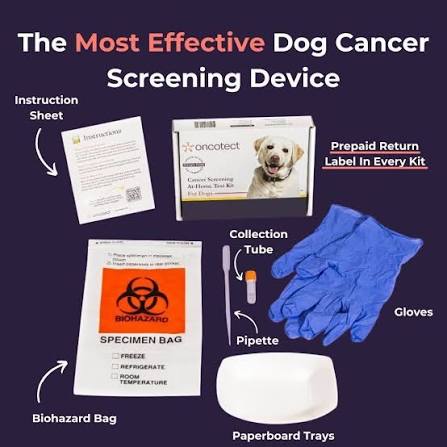
The 2026 CLASSiC prospective study enrolled 725 presumed cancer-free dogs across 24 clinical sites in the United States and Canada. Its interim analysis included 417 eligible dogs. During the study, 51 dogs were newly diagnosed with cancer.
Researchers reported that adding NGS-based liquid biopsy increased preclinical cancer detection from 12% with routine care alone to 55% when combined with the test in this study population. The reported sensitivity was 56.9%, while specificity was 98.9%.
These findings are promising, but the study population was predominantly higher-risk dogs, so the results should not automatically be applied to every healthy dog.
4. MicroRNA Research in Dog Cancer Detection 2026
Another emerging direction in Dog Cancer Detection 2026 is the analysis of microRNA. MicroRNAs are small molecules involved in regulating biological processes, including pathways associated with cancer.
A 2026 study investigated a machine-learning model using circulating microRNA profiles for canine cancer screening. The research represents an important step toward combining molecular biomarkers with computational analysis.
The exciting possibility is that future testing could combine several biological signals rather than relying on one marker. However, researchers still need to determine how well these methods distinguish cancer from non-cancerous diseases.
5. AI-Assisted Analysis in Dog Cancer Detection 2026
Artificial intelligence could become another useful component of Dog Cancer Detection 2026. Instead of replacing veterinarians, AI models can potentially analyze complex patterns in blood biomarkers, genetic information, imaging, and other clinical data.
The value of AI is particularly interesting when large datasets are involved. A computer model may detect relationships that are difficult to recognize manually. However, AI results still require veterinary interpretation because a statistical prediction is not the same as a confirmed diagnosis.
6. Molecular Monitoring in Dog Cancer Detection 2026
Modern Dog Cancer Detection 2026 research is also moving beyond the initial diagnosis. Researchers are investigating whether molecular signals can help monitor disease during treatment.
A 2026 Nature study found that liquid-biopsy measurements in dogs could track disease status over time. In dogs with lymphoma and osteosarcoma, changes in tumor-related measurements were observed before clinical relapse in some cases.
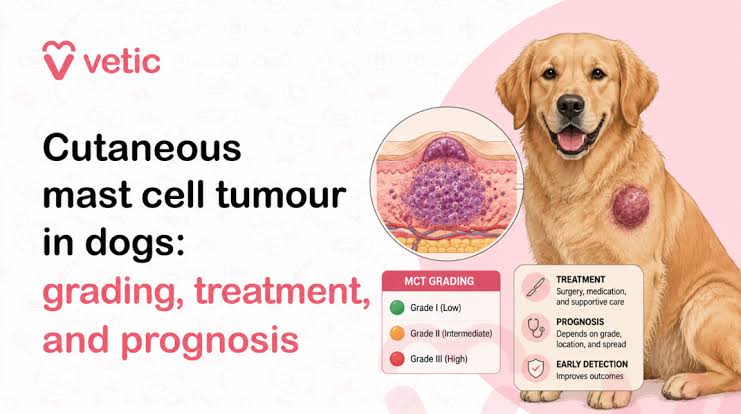
This could become valuable because cancer treatment is not only about finding a tumor. Veterinarians also need to know whether a disease is responding, remaining stable, or returning.
7. More Personalized Dog Cancer Detection 2026
The future of Dog Cancer Detection 2026 may involve more personalized testing. Different cancers can behave differently, and a single test may not work equally well for lymphoma, melanoma, carcinoma, or sarcoma.
The 2026 OncoCan research showed this variation clearly. The reported AUC was 0.95 for lymphomas/leukemias, compared with 0.75 for carcinomas, 0.76 for sarcomas, and 0.69 for melanomas.
This suggests that future screening may combine cancer-specific information with broader molecular signals instead of depending on one universal measurement.
Research Data in Dog Cancer Detection 2026
The following comparison shows selected findings from recent 2026 canine cancer studies. These numbers describe individual research populations and should not be treated as a universal accuracy rate for all dogs.
| Research area | 2026 finding | What it may mean |
|---|---|---|
| CLASSiC NGS liquid biopsy | 98.9% specificity | Few false-positive results in the studied population |
| CLASSiC sensitivity | 56.9% | Some cancers were missed by the test |
| CLASSiC preclinical detection with testing | 55% | More cancers were detected before clinical diagnosis |
| OncoCan lymphoma/leukemia AUC | 0.95 | Strong discrimination in the studied group |
| OncoCan carcinoma AUC | 0.75 | Moderate diagnostic performance |
| OncoCan sarcoma AUC | 0.76 | Moderate diagnostic performance |
| OncoCan melanoma AUC | 0.69 | Lower performance than for lymphoma/leukemia |
Sources: 2026 CLASSiC and OncoCan studies.
Research Performance Graph for Dog Cancer Detection 2026
The chart below visualizes selected diagnostic-performance measures reported in the 2026 studies. AUC is not the same as sensitivity or specificity, so these values should be compared only within their respective measures.
5 Warning Signs in Dog Cancer Detection 2026
1. Unusual Lumps and Growths in Dog Cancer Detection 2026
A new lump does not automatically mean cancer, but an unexplained growth should not be ignored. Some tumors can appear as skin or tissue masses, while other cancers may develop internally without an obvious external lump.
If a lump changes in size, shape, color, or texture, a veterinarian can determine whether additional testing is appropriate. This is where Dog Cancer Detection 2026 technology may eventually provide additional information alongside conventional examination.
2. Unexplained Weight Loss in Dog Cancer Detection 2026
Unexpected weight loss can have many causes, including dental problems, digestive disease, metabolic disorders, infection, or cancer. Because the symptom is not cancer-specific, owners should avoid assuming the worst.
However, persistent unexplained weight loss deserves veterinary attention, especially when it occurs together with other changes in appetite, energy, digestion, or behavior.
3. Persistent Tiredness in Dog Cancer Detection 2026
A noticeable reduction in normal activity can sometimes indicate illness. Dogs may become less interested in walks, play, or normal daily activities.
Fatigue alone cannot diagnose cancer. Still, persistent changes can help a veterinarian decide whether bloodwork, imaging, or other investigations are appropriate as part of Dog Cancer Detection 2026.
4. Changes in Appetite or Digestion in Dog Cancer Detection 2026
Repeated vomiting, diarrhea, difficulty eating, reduced appetite, or unusual digestive changes can occur with many different diseases. Some cancers may also produce digestive or systemic symptoms.
The important point is not to diagnose cancer from one symptom. Instead, persistent or worsening changes should be evaluated professionally.
5. Unexplained Bleeding or Breathing Changes in Dog Cancer Detection 2026
Unexpected bleeding, persistent coughing, breathing difficulty, or other unusual physical changes can have numerous causes. Some may be emergencies.
These symptoms should not be managed through online cancer screening advice alone. A veterinarian can decide whether imaging, blood testing, cytology, biopsy, or newer Dog Cancer Detection 2026 methods are appropriate.
What Are the Limitations of Dog Cancer Detection 2026?
Despite the exciting progress, Dog Cancer Detection 2026 is not a magic solution. One of the biggest challenges is sensitivity. A test may identify many cancers but still miss some cases.
The CLASSiC study illustrates this clearly. Its interim analysis reported high specificity but considerably lower sensitivity. That means a negative result cannot automatically guarantee that a dog is cancer-free.
Another limitation is cancer diversity. Dogs can develop many different tumor types, and their biological behavior can vary considerably. A technology that performs strongly for one cancer may perform less effectively for another.
Liquid biopsy also does not currently eliminate the need for tissue diagnosis in every situation. The 2026 veterinary review specifically notes that liquid biopsy is not intended to replace tissue biopsy.
How Dog Cancer Detection 2026 Could Improve Veterinary Care
The biggest potential benefit of Dog Cancer Detection 2026 is earlier investigation. Cancer can be easier to manage when detected before advanced disease develops, although the exact benefit depends on the cancer type and available treatment.
Blood-based testing could also make repeated monitoring more practical in some situations. Instead of relying only on symptoms or imaging, veterinarians may eventually be able to follow molecular changes over time.
The future could therefore combine traditional veterinary medicine with molecular testing, AI-assisted analysis, imaging, and personalized cancer monitoring.
Future of Dog Cancer Detection 2026
The future of Dog Cancer Detection 2026 looks promising because research is moving toward combining several technologies rather than searching for one perfect test.
Liquid biopsy, cfDNA, NGS, microRNA, machine learning, and molecular monitoring could eventually work together. This could help veterinarians identify high-risk dogs, investigate suspicious changes earlier, and monitor known cancers more closely.
However, more validation is necessary. The 2026 studies themselves emphasize the need for larger or broader research before these technologies can become routine screening methods.
For dog owners, the most important message is simple: new technology should complement veterinary care rather than replace it. Regular wellness examinations and professional evaluation of unusual symptoms remain essential.
Final Thoughts on Dog Cancer Detection 2026
Dog Cancer Detection 2026 is developing rapidly, with liquid biopsy, cell-free DNA, NGS, microRNA, and AI-assisted analysis creating new possibilities for veterinary oncology. Recent research has produced encouraging results, particularly for molecular testing and earlier detection in selected study populations.
At the same time, these technologies have limitations. They do not detect every cancer, performance differs between cancer types, and modern blood-based tests should not automatically replace conventional veterinary diagnosis or tissue biopsy.
The strongest future approach may be a combination of traditional veterinary examination and advanced molecular tools. As research continues, Dog Cancer Detection 2026 could become an important part of a more personalized and earlier approach to canine cancer care.
Important: This article is for educational purposes and does not replace veterinary diagnosis or treatment. If a dog develops a persistent lump, unexplained weight loss, breathing difficulty, bleeding, appetite changes, or another concerning symptom, a qualified veterinarian should evaluate the animal.