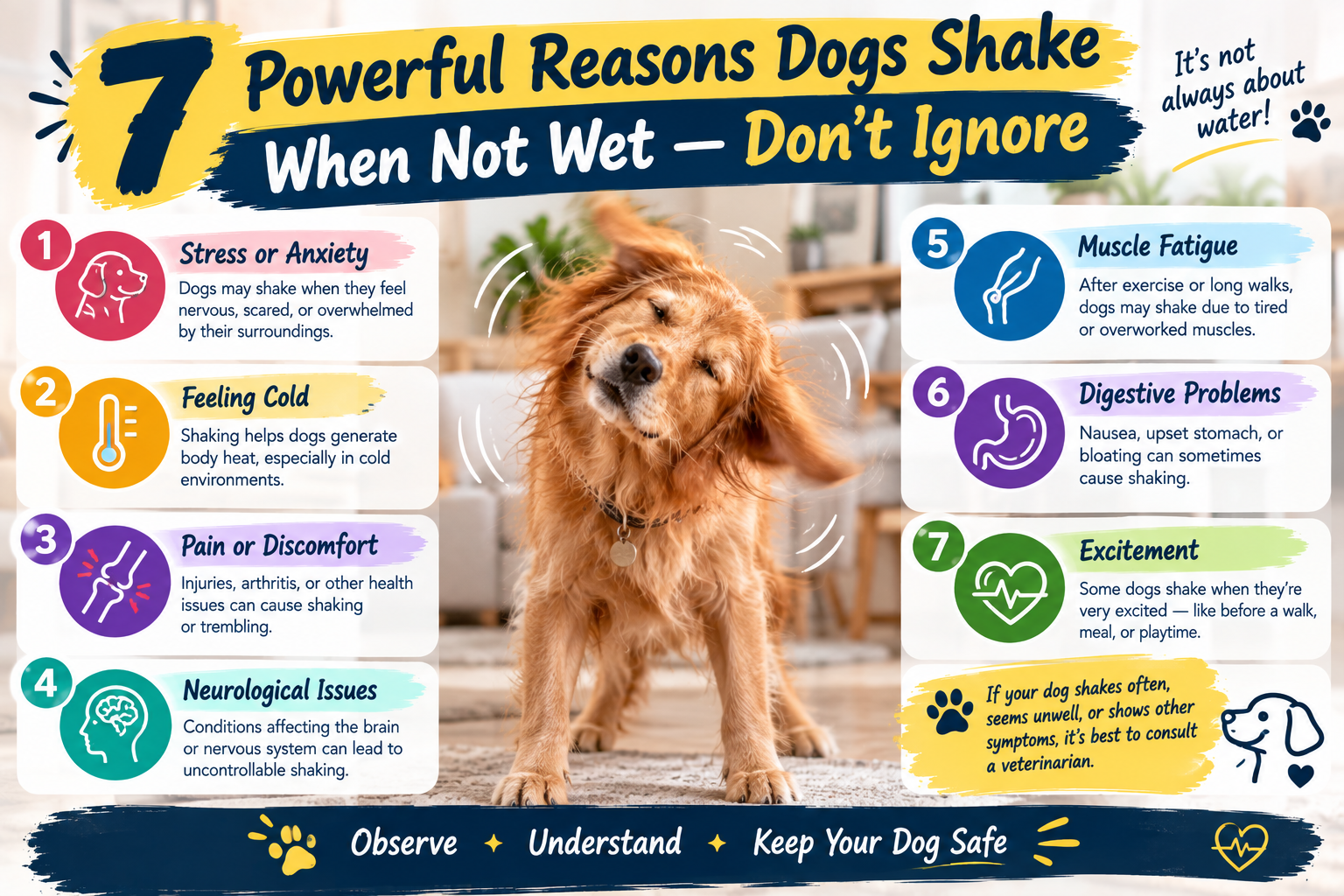
7 Powerful Reasons Dogs Shake When Not Wet — Don’t Ignore
Dogs Shake When Not Wet for many different reasons, and the behavior is not always something to ignore. Sometimes a dry dog may shake because of excitement, stress, fear, cold, or a simple behavioral response. However, repeated shaking can also be connected with pain, low blood sugar, toxins, ear problems, or neurological conditions. Understanding the difference can help dog owners notice when normal behavior becomes something that deserves veterinary attention.
A dog that shakes after a bath is usually easy to understand, but Dogs Shake When Not Wet can leave owners wondering what is happening. The important thing is to look at the situation around the shaking, how frequently it happens, and whether other unusual signs appear at the same time.
Table of Contents
- Why Dogs Shake When Not Wet
- 7 Common Reasons Dogs Shake When Not Wet
- When Shaking May Be Serious
- What Owners Can Do
- Frequently Asked Questions
Why Dogs Shake When Not Wet
When Dogs Shake When Not Wet, the movement may be caused by something physical, emotional, environmental, or neurological. A whole-body shake can sometimes be a normal way for a dog to release tension after an exciting or stressful event. Veterinary sources also recognize shaking and trembling as possible signs of pain, illness, poisoning, metabolic problems, and neurological disorders.
This is why it is better not to assume that every shaking episode means the same thing. A dog trembling briefly after seeing another dog may have a completely different reason from a dog that suddenly develops persistent tremors while resting.
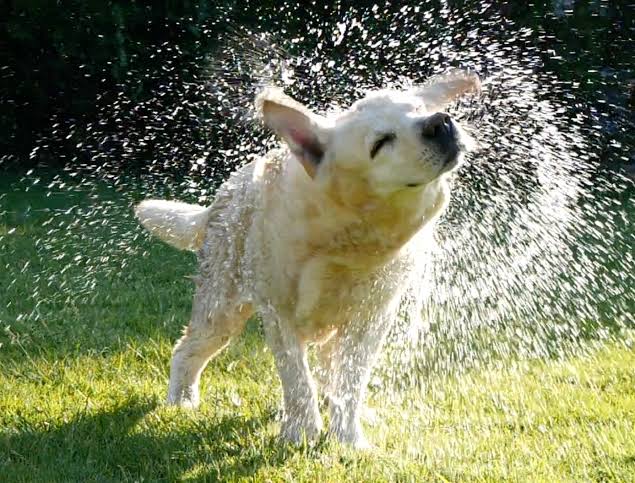
7 Powerful Reasons Dogs Shake When Not Wet
1. Dogs Shake When Not Wet Because of Stress or Anxiety
One of the most common explanations for Dogs Shake When Not Wet is emotional stress. Dogs can shake when they are frightened, anxious, overwhelmed, or uncomfortable in a particular situation. A visit to the veterinarian, loud noises, unfamiliar people, thunderstorms, travel, or other stressful experiences can trigger shaking. VCA notes that whole-body shaking can occur as part of a dog’s stress response.
Pay attention to what happens immediately before your dog begins shaking. If the shaking starts during a stressful situation and disappears after your dog becomes comfortable, stress may be playing a role.
A dog may also show other signs of anxiety, such as pacing, whining, hiding, excessive licking, or avoiding a particular situation. The overall behavior gives you more information than shaking alone.
2. Dogs Shake When Not Wet Because They Are Excited
Not every shaking episode is negative. Dogs Shake When Not Wet when they become extremely excited too. Some dogs tremble when they see their favorite person, prepare for a walk, wait for food, or anticipate playtime.
Excitement-related shaking often disappears once the exciting event happens or the dog settles down. The American Kennel Club describes excitement as one possible reason for shaking in otherwise healthy dogs.
If your dog is alert, behaving normally, eating normally, and quickly returns to its usual behavior, occasional excitement-related shaking may not indicate a serious problem.
3. Dogs Shake When Not Wet Because of Pain
Another important reason Dogs Shake When Not Wet is pain. Dogs do not always cry or clearly show where something hurts. Trembling or shaking can sometimes be one of the subtle signs that something is wrong.
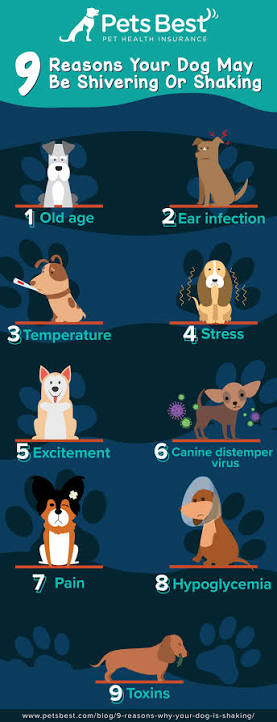
Pain may come from an injury, muscle problem, abdominal discomfort, joint problems, or another underlying condition. The American Kennel Club notes that shivering and trembling can occur with pain and recommends veterinary evaluation when shaking has no obvious explanation.
If shaking appears together with whining, reluctance to move, unusual posture, reduced appetite, hiding, or sensitivity when touched, the behavior deserves more attention.
4. Dogs Shake When Not Wet Because of Cold
A dog does not have to be wet to feel cold. Small dogs, puppies, older dogs, and dogs with thin coats can be more sensitive to lower temperatures.
When Dogs Shake When Not Wet during cold weather, trembling may simply be the body’s attempt to generate heat. Bringing the dog into a comfortable environment and providing appropriate warmth may help.
However, persistent shaking should not automatically be blamed on cold. If the environment is comfortable and the dog continues trembling, another cause should be considered.
5. Dogs Shake When Not Wet Because of Low Blood Sugar
Low blood sugar, also called hypoglycemia, can cause shaking in dogs. According to the American Kennel Club, toy and small-breed dogs and young puppies can be particularly susceptible to hypoglycemia.

This is one reason Dogs Shake When Not Wet should not always be treated as a harmless habit. If shaking occurs with weakness, unusual tiredness, confusion, poor coordination, or collapse, prompt veterinary attention is important.
Owners should not try to diagnose low blood sugar based only on shaking. A veterinarian can determine whether a metabolic problem is actually responsible.
6. Dogs Shake When Not Wet Because of Ear Problems
If the shaking is mainly coming from the head rather than the entire body, an ear problem may be involved. Dogs with ear irritation or infection may repeatedly shake their heads or scratch their ears.
The American Kennel Club recommends checking for signs such as redness, inflammation, unusual debris, or unpleasant odor when a dog is shaking its head more than normal.
This makes the pattern of Dogs Shake When Not Wet especially important. Whole-body trembling and repeated head shaking are not necessarily caused by the same problem.
If your dog has recently been swimming or bathing and begins repeatedly shaking its head, pay attention to the ears rather than assuming the behavior is simply related to being wet.
7. Dogs Shake When Not Wet Because of a Medical or Neurological Problem
The most important reason to take repeated shaking seriously is that tremors can sometimes occur with medical or neurological disorders. Merck Veterinary Manual lists tremors among the signs that can occur with nervous-system disorders in dogs.
Some dogs can also develop generalized tremor syndrome, sometimes called shaker syndrome. VCA explains that this condition involves involuntary head or body tremors and is more commonly recognized in small dogs, although dogs of different sizes and colors can be affected. Diagnosis requires veterinarians to rule out other possible causes first.
Toxic exposure is another concern. Certain toxins and mold-related substances can cause tremors along with vomiting, abnormal coordination, increased sensitivity, or seizures.
Dogs Shake When Not Wet: Quick Comparison
| Possible reason | What you may notice |
|---|---|
| Stress or anxiety | Shaking during frightening or unfamiliar situations |
| Excitement | Trembling during play, greetings, walks, or anticipation |
| Pain | Shaking combined with discomfort or reluctance to move |
| Cold | Trembling in a cold environment |
| Low blood sugar | Shaking with weakness or abnormal behavior |
| Ear problems | Frequent head shaking or ear scratching |
| Medical/neurological issue | Persistent tremors or additional neurological signs |
This table is a simple guide, not a diagnostic tool. The same shaking behavior can have different causes in different dogs.
When Dogs Shake When Not Wet Should Concern You
Occasional shaking that quickly stops after excitement or stress may be relatively harmless, but persistent or unexplained shaking deserves attention.
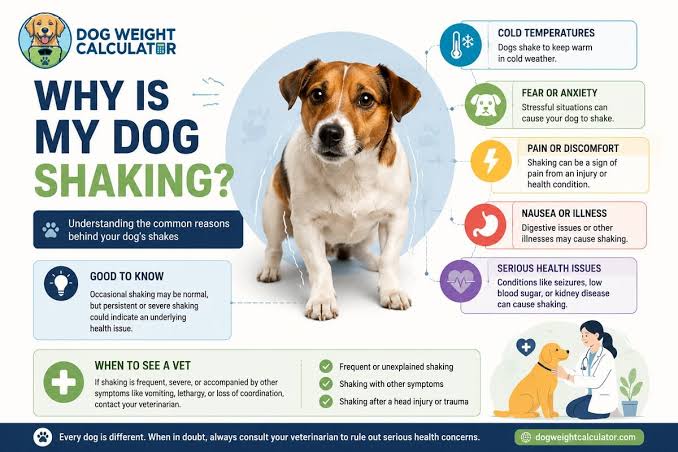
Dogs Shake When Not Wet and require prompt veterinary attention when shaking occurs alongside collapse, inability to stand, severe weakness, seizures, difficulty breathing, suspected poisoning, sudden disorientation, or extreme pain. These are among the signs the American Kennel Club identifies as reasons to seek immediate veterinary care.
The situation is particularly important if the shaking begins suddenly and is unlike your dog’s normal behavior. Do not wait for the shaking to become severe before contacting a veterinarian when other serious symptoms are present.
What to Do When Dogs Shake When Not Wet
When Dogs Shake When Not Wet, the first step is to observe rather than panic. Look at when the shaking starts, how long it lasts, which part of the body is shaking, and what your dog was doing immediately beforehand.
You can also record a short video of the episode if it is safe to do so. A video may help a veterinarian understand what the movement looks like, particularly if the shaking stops before the appointment.
Avoid giving human medication to your dog unless a veterinarian specifically instructs you to do so. If you suspect that your dog has eaten something toxic, contact a veterinarian or appropriate animal poison service promptly rather than waiting for symptoms to become worse.
For recurring episodes, keep a simple record of the time, duration, possible trigger, food intake, activity, and any additional symptoms. This information can help your veterinarian investigate the underlying cause.
A Simple Way to Think About Dogs Shake When Not Wet
Possible categories behind dry-dog shaking
A simple educational grouping of the main causes discussed in this article; these are categories, not measured probabilities.0246
Stress / anxiety
Excitement
Pain
Cold
Low blood sugar
Ear problems
Medical / neurological
The chart above is not a medical frequency chart. It simply organizes the main explanations covered in this article so readers can see how broad the possible causes are.
How to Tell Normal Shaking From Concerning Shaking
The biggest clue is context. If Dogs Shake When Not Wet immediately after an exciting event and stop once the dog calms down, the situation may be behavioral. If shaking repeatedly appears without an obvious trigger, becomes more intense, or occurs with other symptoms, it deserves closer attention.
The dog’s age, breed, medical history, environment, recent activities, diet, and possible exposure to harmful substances can all change the picture. For example, VCA notes that shaker syndrome is more commonly seen in small dogs and often begins in early adulthood, while low blood sugar can be particularly relevant in puppies and toy breeds.
That is why there is no single answer to the question of why Dogs Shake When Not Wet. The behavior needs to be interpreted in context.
Frequently Asked Questions About Dogs Shake When Not Wet
Is it normal when Dogs Shake When Not Wet?
It can be. Stress, excitement, and cold can all cause temporary shaking. However, unexplained or repeated shaking should be discussed with a veterinarian, especially if other symptoms are present.
Why do Dogs Shake When Not Wet after a stressful event?
Shaking can be part of a dog’s stress response. Some dogs shake after frightening or uncomfortable experiences and settle once the stressful situation ends.
Can pain cause Dogs Shake When Not Wet?
Yes. Trembling can occur with pain, although shaking by itself cannot identify the source of the problem. A veterinarian may need to examine the dog to determine the cause.
When should I call a veterinarian?
Contact a veterinarian when shaking is persistent, unexplained, recurrent, or accompanied by weakness, collapse, seizures, difficulty breathing, severe pain, disorientation, or suspected poisoning.
Conclusion
Dogs Shake When Not Wet for many possible reasons, ranging from excitement and stress to cold, pain, metabolic problems, ear issues, toxins, and neurological conditions. The key is not to assume that every shaking episode is either completely normal or automatically dangerous.
Instead, observe the pattern and the circumstances. Occasional shaking that has an obvious trigger and quickly disappears can be very different from sudden, persistent trembling accompanied by other changes in behavior or health. When the cause is unclear or concerning symptoms appear, a veterinarian is the right person to determine what is happening.