
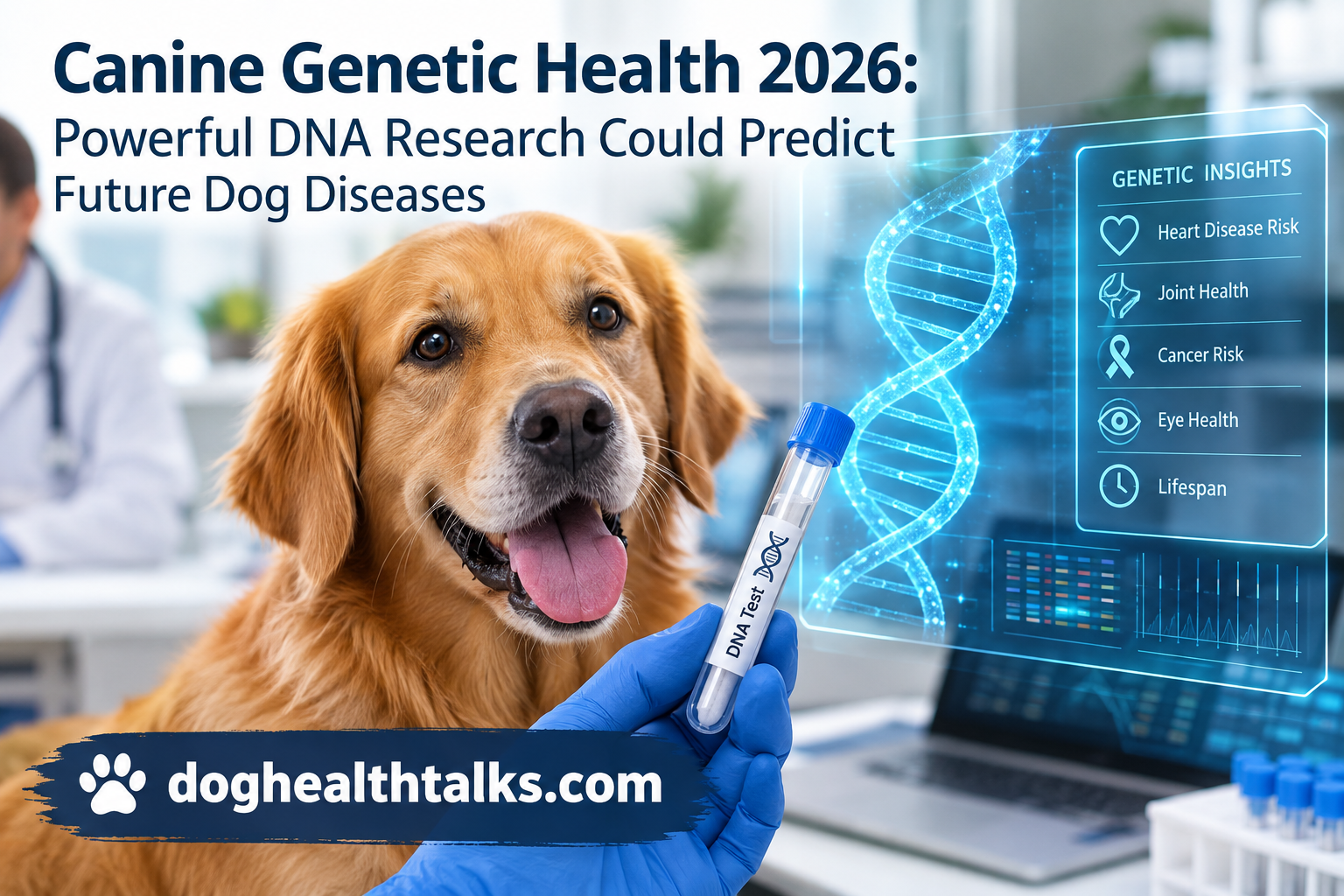
Canine Genetic Health 2026: Powerful DNA Research Could Predict Future Dog Diseases
A new era of veterinary medicine is being shaped by genetics, and Canine Genetic Health 2026 is expected to become an increasingly important part of preventive dog care. Instead of waiting for symptoms to appear, genetic information can be used to identify inherited risks before serious problems develop. As DNA research continues to improve, more attention is being given to the way a dog’s genes can influence disease susceptibility, medication responses, physical traits, and long-term health.
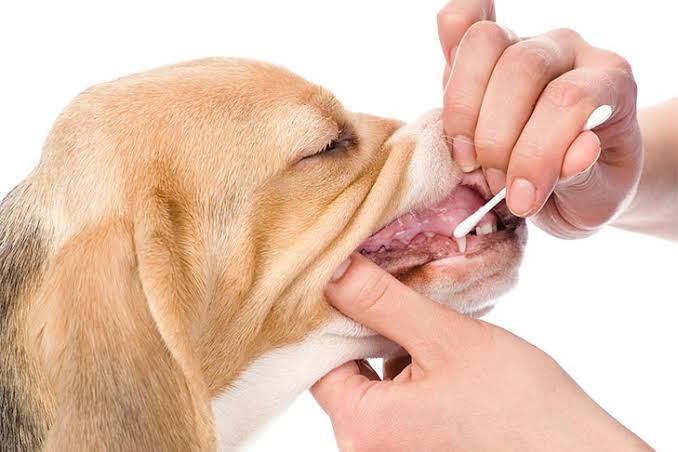
Today, hundreds of genetic health traits can already be investigated in dogs. Moreover, research centers are continuing to identify genetic variants associated with inherited conditions. The Canine Genetics Centre at the University of Cambridge, for example, has developed dozens of DNA tests and has contributed to research into inherited disorders affecting multiple breeds.
Canine Genetic Health 2026 For dog owners, this development could be significant. A DNA result cannot tell exactly what will happen to a dog in the future, but valuable risk information can be provided. Therefore, veterinary decisions may eventually become more personalized, preventive, and data-driven.
Table of Contents
- What Is Canine Genetic Health 2026?
- How Dog DNA Can Reveal Disease Risk
- Inherited Diseases That Can Be Investigated
- Can DNA Predict a Dog’s Future Disease?
- The Role of Breed and Genetic Diversity
- How Genetic Information Could Improve Veterinary Care
- Personalized Prevention Could Become More Important
- The Future of Canine Genetic Research
- Limitations of Dog DNA Testing
- What Dog Owners Should Know
- Frequently Asked Questions
- Conclusion
What Is Canine Genetic Health 2026?
Canine Genetic Health 2026 refers to the growing use of canine DNA research, genetic testing, and genomic information to understand inherited health risks in dogs. DNA is carried inside cells and contains biological instructions that influence many characteristics. Some genetic variations can also be associated with an increased risk of particular diseases.
Canine Genetic Health 2026 In the past, genetic testing was mostly associated with breeding programs and the identification of specific inherited disorders. However, its role has gradually been expanded. Today, DNA testing can be used to investigate certain disease-associated variants, carrier status, breed-related risks, and other genetic characteristics. Cornell’s veterinary experts note that DNA testing can help identify risk for some genetic health conditions, while breed-specific testing can be used to investigate inherited problems.
As a result, Canine Genetic Health 2026 is not simply about discovering a dog’s breed. Instead, genetic information is increasingly being viewed as one piece of a larger health picture.
How Dog DNA Can Reveal Disease Risk
A dog’s DNA contains millions of genetic variations. Most of these variations do not cause disease. However, some variants have been associated with inherited conditions or increased susceptibility to particular health problems.
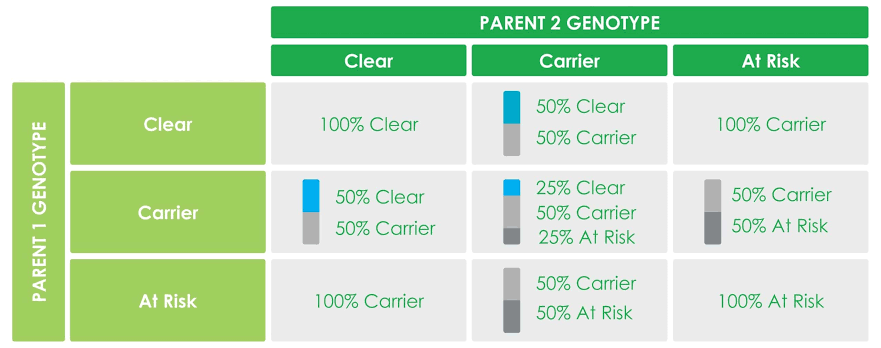
During a genetic test, a sample is usually collected from the dog, often through a cheek swab. DNA is then extracted and examined for specific genetic markers. If a relevant variant is identified, a potential genetic association can be reported.
Importantly, a genetic result should not be interpreted as a guaranteed diagnosis. A dog may carry a risk-associated variant without ever developing the related condition. Conversely, a negative result does not mean that every possible disease has been ruled out.
Therefore, Canine Genetic Health 2026 should be understood as a risk-assessment approach rather than a crystal ball. Genetic information can be combined with age, breed, lifestyle, physical examinations, family history, and laboratory findings to produce a more complete health assessment.
Inherited Diseases That Can Be Investigated
A wide range of inherited disorders has been identified in dogs. At the University of Pennsylvania School of Veterinary Medicine, it is noted that more than 900 inherited disorders have been identified in dogs.
Some genetic conditions can affect the eyes, nervous system, muscles, blood, kidneys, heart, or skeletal system. For example, research at the Canine Genetics Centre includes inherited eye diseases, intervertebral disc disease, renal disorders, tracheal collapse, and other breed-associated conditions.
Because different breeds can carry different genetic risks, testing can be particularly useful when a known inherited disorder is associated with a particular breed or bloodline.
Furthermore, genetic testing can sometimes be used to identify carrier dogs. A carrier may not show symptoms but can potentially pass a disease-associated variant to offspring. Consequently, genetic information can be useful in responsible breeding decisions.
This is one reason why Canine Genetic Health 2026 is being viewed as more than a consumer testing trend. When properly interpreted, genetic data can support disease prevention and healthier breeding strategies.
Can DNA Predict a Dog’s Future Disease?
This is one of the most important questions surrounding canine genetics. The short answer is: sometimes, but not with certainty.
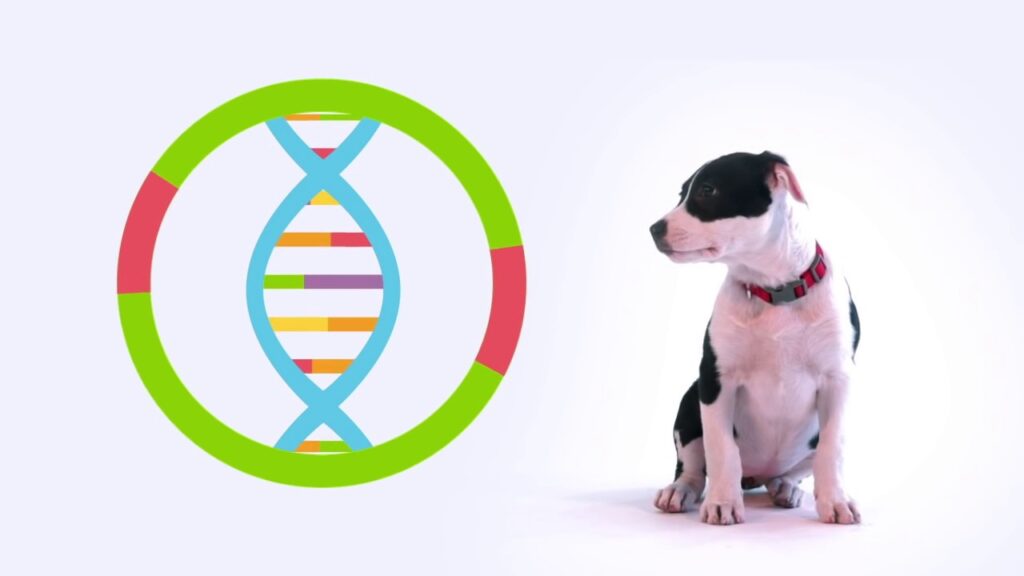
Certain genetic variants can provide meaningful information about inherited disease risk. However, most complex diseases are influenced by multiple factors. Genetics, nutrition, environment, age, exercise, infections, body weight, and other biological processes can all interact.
For instance, a dog may have a genetic predisposition toward a particular disorder, but the disease may never become clinically important. On the other hand, a dog without a known genetic risk can still develop a disease through environmental or non-genetic mechanisms.
Therefore, genetic prediction should be considered probabilistic rather than absolute.
In the future, however, more accurate predictions could be developed as larger canine datasets are collected. Researchers may be able to combine genetic variants with medical records, family histories, imaging, laboratory results, and lifestyle information.
That approach could make Canine Genetic Health 2026 much more powerful than a simple DNA report.
The Role of Breed and Genetic Diversity
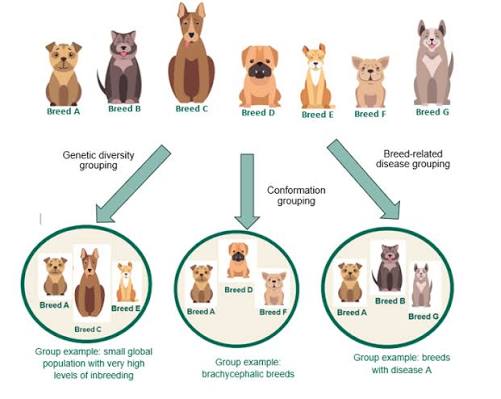
Breed plays an important role in canine genetics. Selective breeding has created the remarkable physical and behavioral diversity seen among dogs, but genetic bottlenecks and breeding practices can also increase the frequency of certain inherited disorders.
For this reason, genetic diversity is being studied as an important part of canine health.
The NHGRI Dog Genome Project is focused on finding DNA variants associated with disease, with the broader goal of reducing their occurrence in affected breeds.
Meanwhile, research institutions such as the Canine Genetics Centre continue to investigate the genetic foundations of inherited diseases. Their work has resulted in the development of numerous DNA tests designed to identify affected and carrier dogs.
Consequently, Canine Genetic Health 2026 could influence not only individual veterinary care but also the long-term health of entire dog populations.
How Genetic Information Could Improve Veterinary Care
Veterinary medicine has traditionally been based heavily on clinical symptoms. However, genetic information could eventually be added earlier in the process.
For example, if a dog is known to carry a genetic risk associated with a particular inherited condition, additional monitoring could potentially be considered. Depending on the condition, a veterinarian might recommend more frequent examinations, specific diagnostic tests, or lifestyle adjustments.
Medication management could also become more personalized as genetic research develops. Some genetic variations have been associated with differences in drug metabolism or medication sensitivity.
However, such information should always be interpreted by qualified veterinary professionals. A DNA test should not be used as a replacement for veterinary examination or diagnostic testing.
Thus, the future of Canine Genetic Health 2026 is likely to be based on integration rather than replacement. Genetics may become another tool within a much larger veterinary decision-making system.
Personalized Prevention Could Become More Important
One of the most exciting possibilities is personalized preventive care.
Instead of giving every dog exactly the same health strategy, future veterinary care could be adjusted according to individual risk. A dog’s genetic profile could potentially be combined with age, breed, body condition, activity level, medical history, and other information.
For example, a dog with a known hereditary risk might be monitored more closely for related symptoms. Another dog with a different genetic profile could require a different preventive approach.
This model is already being explored in human medicine, and similar principles are increasingly being considered in veterinary science.
As genomic databases become larger, Canine Genetic Health 2026 could therefore help move dog healthcare toward a more individualized model.
The Future of Canine Genetic Research
The future could be even more advanced. Instead of testing only a limited number of known mutations, whole-genome approaches could allow researchers to investigate much larger portions of canine DNA.
Artificial intelligence may also become increasingly important. Large datasets could be analyzed to identify relationships between genetic variants and health outcomes that would be difficult to detect manually.
Recent advances in human genomics demonstrate how AI can be used to study enormous numbers of DNA variations and estimate their potential biological effects. Although these developments are primarily human-focused, similar computational concepts could eventually support veterinary genomic research.
Furthermore, canine research may benefit from the fact that dogs share many biological characteristics with humans. Certain canine diseases can provide valuable research models for understanding disease mechanisms more broadly.
In the coming years, genomic research could therefore become increasingly connected with precision medicine, artificial intelligence, preventive diagnostics, and longevity research.
Limitations of Dog DNA Testing
Despite its potential, genetic testing has important limitations.
First, not every disease has a known genetic marker. Many common health conditions are influenced by multiple genes and environmental factors. Therefore, a DNA test cannot provide a complete picture of a dog’s health.
Second, genetic databases are not perfect. Results may depend on the quality and size of the reference population used by a testing company. Recent veterinary commentary has also emphasized that breed and health results from consumer DNA tests should be interpreted carefully because they can represent estimates rather than absolute conclusions.
Third, a positive genetic result does not necessarily mean that disease will develop. Likewise, a negative result does not guarantee lifelong health.
Therefore, Canine Genetic Health 2026 should be approached with realistic expectations. Genetic information can be valuable, but it should be combined with professional veterinary care.
What Dog Owners Should Know
Dog owners should first understand why a DNA test is being considered. If the purpose is breed identification, one type of test may be sufficient. If the purpose is health screening, a test that examines relevant disease-associated variants may be more useful.
Before making decisions based on a result, the report should be discussed with a veterinarian or qualified veterinary genetic professional.
Most importantly, a DNA report should never be allowed to create unnecessary fear. A genetic risk is not the same as a diagnosis.
Instead, useful genetic information can be viewed as an early warning signal that may help guide conversations about preventive care.
As research improves, Canine Genetic Health 2026 could provide dog owners with better information while allowing veterinarians to make increasingly individualized decisions.
Frequently Asked Questions
Can DNA testing predict all future diseases in dogs?
No. DNA testing can identify certain known genetic variants and inherited risks, but all future diseases cannot be predicted. Many conditions are influenced by several genetic and environmental factors.
Is a positive genetic test the same as having a disease?
No. A positive result may indicate that a dog carries a variant associated with increased risk or an inherited condition. The meaning depends on the specific genetic variant and should be interpreted in its clinical context.
Can healthy-looking dogs carry disease genes?
Yes. Some dogs can carry disease-associated variants without showing symptoms. Carrier testing can therefore be useful, particularly in breeding programs.
Can mixed-breed dogs benefit from genetic testing?
Yes. Genetic testing can provide useful information for mixed-breed dogs as well. However, the usefulness of a particular health test depends on the variants being examined and the dog’s genetic background.
Will AI improve canine genetic testing?
AI could potentially improve the analysis of large genetic datasets. However, reliable veterinary applications will require high-quality research, validation, and professional oversight.
Should a DNA test replace a veterinary checkup?
No. A DNA test should be considered an additional source of information. Regular veterinary examinations remain important because many diseases cannot be identified through genetic testing alone.
Conclusion
The future of dog healthcare is increasingly being shaped by genetics. Canine Genetic Health 2026 represents a shift toward earlier risk identification, personalized prevention, responsible breeding, and more data-driven veterinary medicine.
Although DNA testing cannot predict every disease with certainty, valuable information can already be obtained about certain inherited conditions and genetic risks. Research organizations are continuing to discover disease-associated variants and develop new testing approaches.
Moreover, as larger genomic databases are created and computational tools become more powerful, the ability to understand canine disease risk could be improved. Eventually, genetic information may be combined with clinical records, environmental factors, laboratory data, and artificial intelligence to create a much more personalized picture of canine health.
For now, the most responsible approach is to treat genetic testing as a useful tool rather than a prediction of destiny. When genetic information is interpreted alongside professional veterinary care, it could help dogs receive more informed and preventive healthcare throughout their lives.