


Arthritis in Senior Dogs: Early Signs and Treatment Options
Arthritis in senior dogs is a common condition that can affect mobility, comfort, and overall quality of life. As dogs grow older, their joints may gradually develop changes that cause inflammation, stiffness, pain, and difficulty moving. Activities that were once easy, such as walking, climbing stairs, jumping onto furniture, or getting up after sleeping, may become increasingly uncomfortable.
The most common type of arthritis in senior dogs is osteoarthritis, also known as degenerative joint disease. It develops when the protective cartilage inside a joint gradually deteriorates. As the condition progresses, inflammation and changes in the surrounding tissues can make normal movement painful.
Arthritis cannot usually be reversed completely, but it can often be managed with appropriate veterinary treatment, healthy weight management, controlled exercise, joint support, and comfortable home arrangements.
Recognizing the early warning signs of arthritis in senior dogs is especially important because dogs may hide their discomfort or show pain through small changes in behavior rather than obvious limping.
This guide explains the causes, early symptoms, diagnosis, treatment options, medications, home care, exercise recommendations, and ways to support senior dogs living with arthritis.
What Is Arthritis in Senior Dogs?
Arthritis is a condition involving inflammation and changes within one or more joints. In senior dogs, it most commonly refers to osteoarthritis, a progressive condition that affects the cartilage, bones, joint lining, and surrounding tissues.
Healthy joints contain smooth cartilage that helps the bones move against each other with minimal friction. Joint fluid also helps lubricate the joint and support normal movement.
When osteoarthritis develops, the cartilage gradually becomes damaged. The joint may become inflamed, movement can become uncomfortable, and the body may develop additional bone around the affected area.
These changes can cause persistent pain and reduced mobility.
What Happens Inside an Arthritic Joint?
A healthy joint allows two bones to move smoothly against each other.
In a dog with osteoarthritis, several changes may occur:
- The protective cartilage gradually breaks down.
- The joint lining may become inflamed.
- Joint fluid and its normal functions may change.
- The underlying bone may develop structural changes.
- Extra bone growth may occur around the joint.
- Surrounding muscles may weaken because the dog moves less.
- Normal activities may become painful or difficult.
Arthritis can affect one joint or several joints at the same time.
Difference Between Arthritis and Osteoarthritis
The terms arthritis and osteoarthritis are often used interchangeably when discussing older dogs, but they do not mean exactly the same thing.
| Term | Meaning |
|---|---|
| Arthritis | A general term for inflammation affecting a joint |
| Osteoarthritis | A chronic joint condition involving cartilage degeneration, inflammation, and structural changes |
| Rheumatoid or immune-mediated arthritis | A condition in which the immune system contributes to joint inflammation |
| Septic arthritis | Joint inflammation caused by an infection |
Osteoarthritis is the most common form of chronic arthritis in senior dogs.
Early Signs of Arthritis in Senior Dogs
Early arthritis symptoms can be subtle. A dog may not cry, whine, or show obvious signs of pain. Instead, owners may notice gradual changes in movement, sleeping habits, behavior, and daily routines.
Paying attention to these changes can help identify joint problems before mobility becomes severely affected.
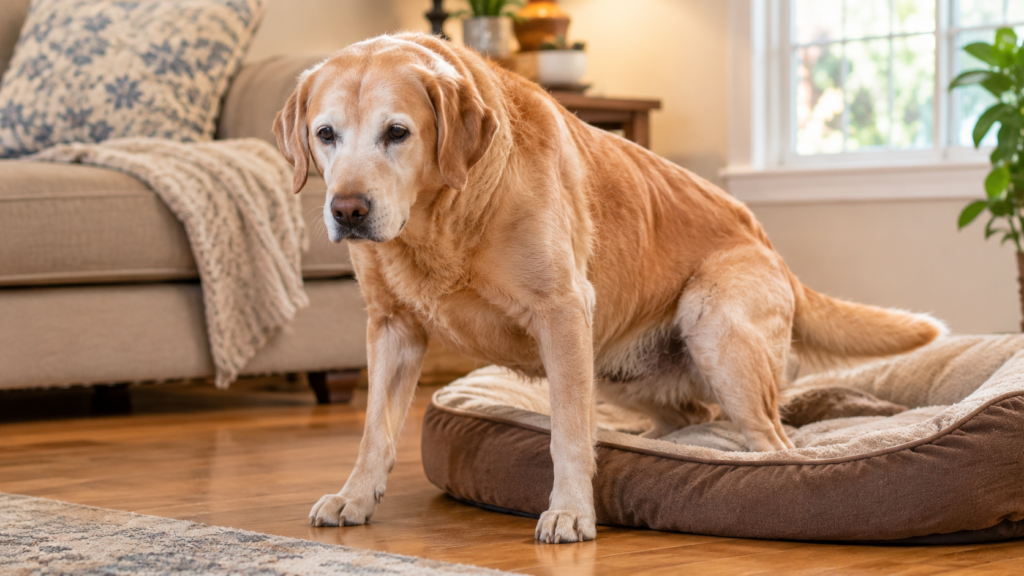
Stiffness After Resting
One of the most common early signs is stiffness after sleeping or lying down for an extended period.
Your dog may take several moments to stand comfortably. Its first few steps may appear slow or awkward, but movement may become easier after walking for a short time.
This stiffness often becomes more noticeable in the morning or after long periods of rest.
Difficulty Getting Up
An older dog with arthritis may struggle to rise from the floor or its bed.
You might notice that your dog:
- Pushes with its front legs before lifting the back legs.
- Attempts to stand several times.
- Moves slowly when getting up.
- Avoids lying down because standing again is uncomfortable.
These changes may indicate joint pain or reduced muscle strength.
Limping or Favoring One Leg
A dog may begin limping or placing less weight on an affected leg.
The limp may be more noticeable after exercise or when the dog first gets up.
Some dogs develop intermittent limping, meaning the problem appears on certain days and seems better on others.
Persistent or sudden limping should always be evaluated because injuries and other medical conditions can produce similar symptoms.
Reluctance to Climb Stairs
Dogs with joint pain may become hesitant about climbing stairs.
Your dog may stop at the bottom of the stairs, climb more slowly, or avoid going upstairs entirely.
Going downstairs can be particularly uncomfortable for dogs with certain hip, knee, or front-leg joint problems.
Difficulty Jumping
An arthritic dog may stop jumping onto sofas, beds, or into vehicles.
It may approach the furniture but hesitate before jumping. Some dogs may attempt to jump and then stop because of discomfort.
Reduced Interest in Playing
A dog that previously enjoyed playing, running, or chasing toys may become less interested in these activities.
It may still want attention and companionship but avoid movements that cause discomfort.
Changes in Walking Pattern
Arthritis can change the way a dog walks.
Possible changes include:
- Shorter steps.
- A stiff-legged walking pattern.
- Reduced movement in the hips.
- Swaying of the back end.
- Unusual positioning of one or more legs.
- Difficulty turning quickly.
Behavioral Changes
Chronic pain can affect a dog’s mood and behavior.
Some dogs become less social, more irritable, or less interested in being touched.
An older dog that suddenly dislikes being picked up or handled may be experiencing discomfort.
Excessive Licking Around Joints
Some dogs repeatedly lick or chew areas around painful joints.
You may notice increased attention to the knees, hips, ankles, or wrists.
However, licking can also result from skin allergies, infections, or other problems, so it should not automatically be assumed to indicate arthritis.
Muscle Loss
When a dog avoids using a painful leg, the muscles around that limb may gradually become weaker.
For example, an older dog with hip arthritis may develop reduced muscle mass in the hind legs.
Muscle weakness can make standing, walking, and maintaining balance even more difficult.
Early Arthritis Symptoms at a Glance
| Early Sign | What You May Notice |
|---|---|
| Stiffness | Slow movement after sleeping |
| Difficulty rising | Struggling to stand from the floor |
| Limping | Favoring one leg |
| Stair avoidance | Hesitating or refusing to climb |
| Reduced jumping | Avoiding furniture or vehicles |
| Lower activity | Less interest in walks and play |
| Behavioral changes | Irritability or avoiding touch |
| Joint licking | Repeated licking around painful areas |
| Muscle loss | Thinner muscles around affected limbs |
What Causes Arthritis in Senior Dogs?
Arthritis can develop for several reasons. In many senior dogs, it results from gradual joint deterioration over time. However, previous injuries, developmental conditions, and other health problems can also contribute.
Age-Related Joint Degeneration
As dogs grow older, the cartilage inside their joints may gradually become damaged.
The joint may lose some of its ability to move smoothly, resulting in inflammation, stiffness, and discomfort.
Age increases the likelihood of osteoarthritis, but arthritis is not an unavoidable part of aging. Many older dogs remain comfortable and active throughout their senior years.
Previous Joint Injuries
Earlier injuries can increase the risk of arthritis later in life.
Examples include:
- Ligament injuries.
- Joint fractures.
- Dislocations.
- Cartilage damage.
- Serious sprains.
- Previous joint surgery.
Even after an injury has healed, permanent structural changes may remain and contribute to osteoarthritis.
Hip Dysplasia
Hip dysplasia is a developmental condition in which the hip joint does not form or fit together normally.
The abnormal movement can gradually damage cartilage and increase the risk of osteoarthritis.
Large breeds are particularly associated with hip dysplasia, although dogs of different sizes can be affected.
Elbow Dysplasia
Elbow dysplasia refers to several developmental abnormalities affecting the elbow joint.
These abnormalities can cause abnormal joint movement, cartilage damage, pain, and early osteoarthritis.
Cruciate Ligament Injuries
The cranial cruciate ligament helps stabilize a dog’s knee joint.
When this ligament becomes damaged or ruptures, the knee may become unstable. This instability can contribute to inflammation and osteoarthritis.
Excess Body Weight
Extra body weight places additional pressure on the joints, particularly the hips, knees, and elbows.
Fat tissue also produces substances that can contribute to inflammation throughout the body.
Overweight dogs may therefore experience more joint discomfort and faster progression of existing osteoarthritis.
Repetitive Joint Stress
Repeated high-impact activities may contribute to joint injuries and long-term joint damage, particularly in dogs with existing structural problems.
A suitable exercise routine should maintain muscle strength without repeatedly placing excessive stress on painful joints.
Which Joints Are Commonly Affected by Arthritis?
Arthritis can affect different joints throughout a dog’s body. Some dogs develop problems in one area, while others experience discomfort in multiple joints.
Hip Joints
Hip arthritis can cause stiffness in the back legs and difficulty standing, climbing stairs, or jumping.
Affected dogs may develop a swaying walking pattern or avoid extending their hind legs.
Knee Joints
Knee arthritis may cause limping, difficulty running, and reluctance to jump.
Dogs with previous cruciate ligament injuries are at increased risk of developing osteoarthritis in the affected knee.
Elbow Joints
Elbow arthritis can make walking uncomfortable and may cause stiffness in the front legs.
Some dogs show more noticeable symptoms after exercise or when getting up from rest.
Shoulder Joints
Shoulder arthritis can affect the front legs and may cause a shortened stride or reluctance to walk for long periods.
Ankle and Wrist Joints
Arthritis in these joints may affect balance, walking, and the dog’s ability to place weight comfortably on its feet.
Commonly Affected Joints
| Joint | Possible Symptoms |
|---|---|
| Hips | Difficulty rising, reduced hind-leg movement |
| Knees | Limping, difficulty jumping |
| Elbows | Front-leg stiffness and reduced mobility |
| Shoulders | Shortened stride and discomfort during walking |
| Ankles | Stiffness and difficulty bearing weight |
| Wrists | Uncomfortable walking and reduced joint movement |
Which Senior Dogs Are More Likely to Develop Arthritis?
Any dog can develop osteoarthritis, but some dogs have a higher risk because of their size, medical history, body condition, or joint structure.
Large and Giant Breeds
Large dogs often place greater mechanical loads on their joints.
Breeds commonly affected by joint problems include:
- German Shepherds
- Labrador Retrievers
- Golden Retrievers
- Rottweilers
- Great Danes
- Saint Bernards
- Bernese Mountain Dogs
- Newfoundlands
However, small breeds can also develop arthritis, particularly when they have previous joint injuries or structural abnormalities.
Overweight Senior Dogs
Older dogs carrying excess weight may experience additional joint stress.
Maintaining a healthy body condition is especially important for dogs that already have arthritis.
Dogs With Previous Orthopedic Problems
Dogs that have experienced hip dysplasia, elbow dysplasia, ligament injuries, fractures, or other joint problems may develop arthritis as they age.
Less Active Dogs
Reduced activity can contribute to muscle weakness and poor physical conditioning.
Although dogs with arthritis need controlled exercise, avoiding movement completely can make mobility problems worse.
How Is Arthritis Diagnosed in Senior Dogs?
A veterinarian should evaluate an older dog showing signs of stiffness, limping, reduced activity, or difficulty moving.
Arthritis cannot be confirmed accurately from symptoms alone because other medical conditions can produce similar signs.
Medical History
The veterinarian may ask questions about:
- When the symptoms first appeared.
- Whether the problem is getting worse.
- Which activities cause discomfort.
- Whether the dog has experienced previous injuries.
- Changes in walking and sleeping habits.
- Current medications and supplements.
- Changes in appetite and body weight.
Videos of the dog walking, standing, climbing steps, or getting up at home can also help the veterinarian understand changes that may not appear during a short clinic examination.
Physical and Orthopedic Examination
The veterinarian examines the dog’s movement, posture, muscles, and joints.
The examination may include checking:
- Joint flexibility.
- Range of motion.
- Swelling.
- Pain during movement.
- Muscle condition.
- Weight distribution.
- Walking pattern.
X-Rays
Radiographs are commonly used to identify structural changes associated with osteoarthritis.
They may show:
- Narrowing of joint spaces.
- Bone spurs.
- Changes in bone structure.
- Abnormal joint alignment.
- Evidence of previous injuries.
However, the severity of changes on an X-ray does not always match the amount of pain a dog experiences.
Additional Diagnostic Tests
In some cases, the veterinarian may recommend additional tests to investigate other possible causes of joint pain.
These may include:
- Blood tests.
- Joint fluid analysis.
- Ultrasound.
- CT scans.
- MRI.
- Neurological examination.
These tests may be particularly useful when the symptoms are unusual, severe, or not explained by ordinary osteoarthritis.
Treatment Options for Arthritis in Senior Dogs
There is no single treatment that works for every dog with arthritis.
Most successful treatment plans combine several approaches to reduce pain, support joint function, maintain muscle strength, and improve everyday comfort.
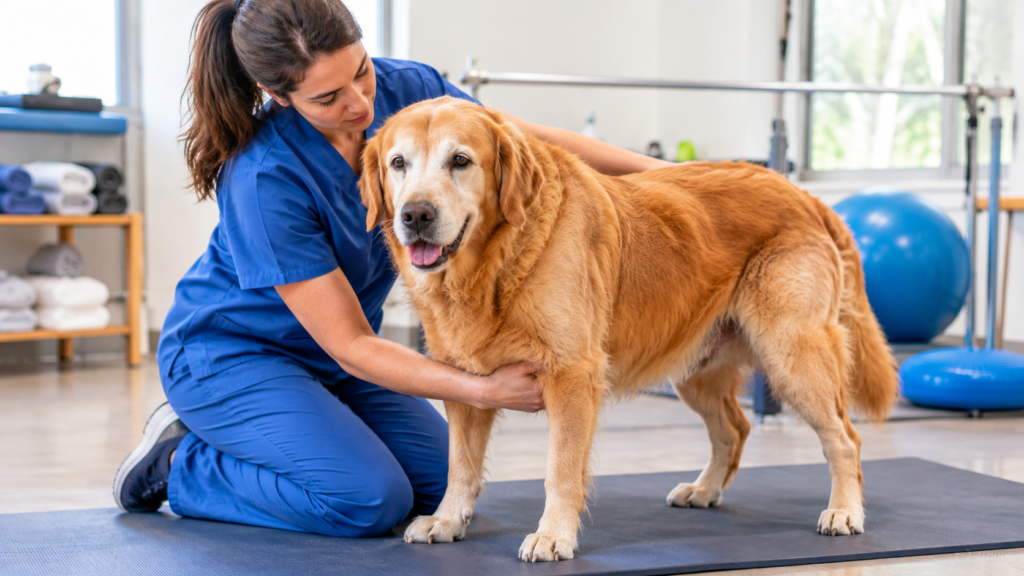
Arthritis is usually a long-term condition, so treatment often requires regular monitoring and adjustments.
Veterinary-Prescribed Pain Relief Medication
Pain-relieving medications are an important part of arthritis management.
Veterinarians may recommend nonsteroidal anti-inflammatory drugs (NSAIDs) to reduce joint inflammation and pain.
These medications can improve mobility and help dogs participate more comfortably in daily activities.
The choice of medication depends on the dog’s age, health, other medical conditions, and current medicines.
Why Veterinary Supervision Is Important
Senior dogs may have age-related changes in kidney, liver, or digestive function.
Before starting certain medications, a veterinarian may recommend blood tests and other health checks.
Follow-up monitoring may also be necessary during long-term treatment.
Never give your dog human painkillers such as ibuprofen, naproxen, or aspirin unless a veterinarian specifically instructs you to do so. Some human medicines can cause serious poisoning, stomach ulcers, kidney damage, or other complications in dogs.
Do not combine different anti-inflammatory medicines or use an NSAID together with a steroid unless specifically directed by a veterinarian.
Other Veterinary Pain Management Options
If an initial medication does not provide enough relief or is unsuitable for a particular dog, the veterinarian may consider other pain-management options.
Depending on the country, available treatments, and the dog’s condition, these may include:
- Additional prescription pain-relief medicines.
- Certain injectable therapies.
- Monoclonal antibody treatments designed to reduce osteoarthritis pain.
- Other individualized pain-management approaches.
No medication is suitable for every senior dog. The veterinarian should explain expected benefits, possible side effects, monitoring requirements, and alternatives.
Weight Management
Maintaining a healthy weight is one of the most important parts of arthritis treatment.
Extra body weight increases the pressure placed on painful joints and can contribute to inflammation.
Even a modest reduction in excess weight may improve comfort and movement in overweight dogs.
How to Manage Your Dog’s Weight
- Measure food portions instead of estimating them.
- Avoid excessive treats.
- Choose nutritionally balanced food.
- Monitor body weight regularly.
- Discuss an appropriate calorie target with your veterinarian.
- Use small portions of suitable treats during training.
Weight loss should be gradual and supervised, particularly in senior dogs that may also be losing muscle.
Joint Supplements
Some nutritional supplements are used to support joint health and may be considered as part of a broader treatment plan.
Common ingredients include:
Glucosamine and Chondroitin
These ingredients are commonly included in joint-support supplements.
They are intended to support cartilage and joint function, although research results vary and the benefits are not equally established for every product.
Omega-3 Fatty Acids
Omega-3 fatty acids, particularly EPA and DHA, may help support a healthy inflammatory response.
They are found in certain fish oils and veterinary joint diets.
Green-Lipped Mussel
Green-lipped mussel products contain several compounds, including omega-3 fatty acids, and are used in some joint supplements.
Evidence of benefit varies by product and formulation.
Other Joint-Support Ingredients
Some products contain collagen, undenatured type II collagen, or other nutritional ingredients.
The quality of evidence and effectiveness differ between supplements.
Important: Supplements should not replace appropriate veterinary pain treatment. Ask your veterinarian before starting them, particularly if your dog has other medical conditions or takes prescription medicines.
Physical Rehabilitation
Veterinary rehabilitation can help improve mobility, muscle strength, flexibility, and balance.
A rehabilitation professional can develop an exercise plan based on the joints affected and the dog’s physical abilities.
Rehabilitation may include:
- Controlled therapeutic exercises.
- Gentle stretching.
- Assisted walking.
- Balance exercises.
- Muscle-strengthening activities.
- Range-of-motion exercises.
The program should be adjusted as the dog improves or if discomfort increases.
Hydrotherapy
Hydrotherapy uses water-based exercise to support movement while reducing the amount of body weight placed on the joints.
Some dogs benefit from swimming or walking on an underwater treadmill.
Potential benefits include:
- Improved muscle strength.
- Better joint movement.
- Increased exercise tolerance.
- Reduced impact on painful joints.
Hydrotherapy should be supervised by trained professionals. It is not suitable for every dog, especially those with certain heart, breathing, skin, or mobility problems.
Acupuncture
Some veterinarians offer acupuncture as an additional approach to pain management.
It involves placing very fine needles at specific points on the body.
Some dogs may experience improvements in comfort or mobility, although results vary and it should not replace necessary medical treatment.
Surgery
Most dogs with osteoarthritis are managed through medication, weight control, rehabilitation, and lifestyle changes.
However, surgery may be considered when an underlying structural problem causes severe pain or joint instability.
Depending on the condition, surgical options may include:
- Total hip replacement.
- Surgical treatment of cruciate ligament disease.
- Procedures to address specific joint abnormalities.
- Other orthopedic interventions.
The veterinarian or orthopedic specialist can determine whether surgery is appropriate based on the dog’s age, general health, joint condition, and expected quality-of-life benefits.
Best Exercises for Arthritis in Senior Dogs
Regular, controlled exercise helps maintain muscle strength and joint movement.
Dogs with arthritis should generally avoid sudden, high-impact activities but should not be kept inactive unless a veterinarian specifically recommends rest.
The ideal exercise plan depends on the affected joints, pain level, fitness, and overall health.
Short Leash Walks
Short, controlled walks are often a useful starting point.
Instead of one long walk, some dogs benefit from several shorter walks throughout the day.
Keep the pace comfortable and allow your dog to rest when needed.
Gentle Walking on Flat Surfaces
Smooth, even surfaces are generally easier for arthritic dogs than steep hills or uneven ground.
Choose routes that allow your dog to walk without repeatedly climbing, jumping, or navigating difficult terrain.
Controlled Muscle-Strengthening Exercises
A veterinary rehabilitation professional may recommend gentle exercises to support the muscles around affected joints.
The exercises should be introduced gradually and adjusted to the dog’s response.
Swimming and Water-Based Exercise
For dogs that enjoy water and can participate safely, supervised swimming or underwater treadmill sessions may provide low-impact activity.
Activities to Avoid
Some movements may increase discomfort or place unnecessary stress on arthritic joints.
Avoid or limit:
- Repeated jumping.
- High-impact running.
- Sudden sharp turns.
- Rough play with larger dogs.
- Repeated stair climbing.
- Long walks that cause limping or exhaustion.
- Slippery surfaces.
If your dog becomes more stiff or sore after exercise, reduce the activity and discuss the change with your veterinarian.
Best Diet for Arthritis in Senior Dogs
Nutrition plays an important role in managing arthritis, particularly when a dog is overweight or has reduced muscle mass.
A suitable diet should support a healthy body condition while providing enough protein and essential nutrients.
Choose a Complete and Balanced Diet
Senior dogs need nutritionally balanced food that supports their age, health, and activity level.
The best diet depends on the individual dog rather than simply choosing food labeled for joint health.
Maintain Healthy Body Weight
Portion control is important because older dogs may burn fewer calories than younger, more active dogs.
Adjust food portions according to weight changes and veterinary recommendations.
Include Appropriate Protein
Adequate protein helps maintain muscle mass.
This is particularly important for senior dogs because reduced activity and aging can contribute to muscle loss.
Discuss Omega-3 Sources
Foods containing appropriate amounts of omega-3 fatty acids may support joint health.
Your veterinarian can help determine whether a joint-support diet or supplement is suitable.
Avoid Excessive Treats
Treats can add unnecessary calories and make weight management difficult.
Use small portions and include treats in your dog’s overall daily calorie intake.
How to Make Your Home More Comfortable for an Arthritic Dog
Small changes around the home can make a significant difference to a senior dog’s daily comfort and independence.
Provide an Orthopedic Dog Bed
A supportive, well-padded bed can help reduce pressure on painful joints.
Choose a bed that is easy for your dog to enter and leave.
Use Non-Slip Flooring
Smooth floors can make walking difficult for dogs with weak or painful joints.
Place rugs, carpet runners, or non-slip mats in areas where your dog frequently walks.
Install Ramps
Ramps can help dogs enter vehicles or reach slightly elevated areas without jumping.
Choose a ramp with a stable surface and a gentle incline.
Use Pet Steps Carefully
Pet steps may help some dogs reach furniture or beds.
However, they are not suitable for every dog, especially those with severe balance or mobility problems.
A stable ramp may be a safer option.
Keep Food and Water Easily Accessible
Place food and water bowls where your dog can reach them without climbing stairs or walking long distances.
Some dogs benefit from appropriately raised bowls, but the correct height depends on their size and medical condition.
Keep Essential Areas on One Floor
If possible, arrange your dog’s bed, food, water, and resting area on the same floor.
This reduces the need to climb stairs repeatedly.
Use a Support Harness
A properly fitted support harness may help owners assist dogs that struggle to stand or walk.
It can be particularly useful for senior dogs with weakness in their hind legs.
Maintain a Comfortable Temperature
Cold and damp conditions may make some dogs appear stiffer.
Provide a warm, dry resting area and avoid leaving your dog on cold floors for long periods.
How to Care for a Senior Dog With Arthritis Every Day
Daily care plays an important role in maintaining comfort and supporting mobility.
Follow a Consistent Routine
Regular feeding, walking, sleeping, and bathroom schedules can help your dog feel comfortable and reduce unnecessary physical strain.
Monitor Changes in Mobility
Pay attention to how easily your dog:
- Gets up after sleeping.
- Walks across the room.
- Climbs small steps.
- Enters and exits the house.
- Changes sleeping positions.
- Participates in normal activities.
Small changes can help you recognize when treatment needs adjustment.
Check Your Dog’s Weight
Weigh your dog regularly and discuss unexpected weight changes with the veterinarian.
Both excessive weight and unexplained weight loss can affect the health of a senior dog.
Maintain Regular Veterinary Visits
Arthritis is a progressive condition, so treatment should be reviewed periodically.
The veterinarian may adjust medication, exercise recommendations, or other management strategies according to your dog’s response.
Record Good and Bad Days
Keeping a simple record can help identify patterns.
Note when your dog seems stiff, how long walks last, whether it limps, and whether it appears more comfortable after treatment.
Short videos of your dog’s normal activities can also help the veterinarian assess changes over time.
Can Arthritis in Senior Dogs Be Cured?
Osteoarthritis is generally a chronic and progressive condition. The structural damage to cartilage and joints cannot usually be completely reversed.
However, this does not mean that an arthritic dog must live with constant severe pain.
Many dogs remain comfortable and enjoy a good quality of life with appropriate treatment.
A management plan may combine:
- Veterinary-prescribed pain medication.
- Healthy weight management.
- Controlled daily exercise.
- Physical rehabilitation.
- Suitable nutritional support.
- Comfortable home arrangements.
- Regular veterinary monitoring.
The goal is to reduce pain, maintain mobility, and help the dog continue enjoying normal daily activities.
When Should You Take Your Senior Dog to a Veterinarian?
You should arrange a veterinary examination if you notice persistent changes in your dog’s movement or behavior.
Seek an appointment if your dog:
- Frequently limps.
- Struggles to stand.
- Avoids stairs.
- Stops jumping.
- Becomes less active.
- Shows stiffness after resting.
- Repeatedly licks painful joints.
- Develops unusual irritability.
- Loses muscle around its legs.
Warning Signs That Need Urgent Veterinary Attention
Not every mobility problem is caused by arthritis.
Seek urgent veterinary care if your dog experiences:
- Sudden inability to stand or walk.
- Severe or sudden pain.
- A swollen or visibly injured joint.
- A limb that appears deformed.
- Sudden paralysis or dragging of the legs.
- Loss of bladder or bowel control alongside weakness.
- Severe weakness or collapse.
These symptoms may indicate an injury, neurological condition, infection, or another serious medical problem.
Can Arthritis Be Prevented in Dogs?
Not every case of arthritis can be prevented, especially when the condition is associated with inherited joint problems, previous injuries, or age-related changes.
However, healthy lifestyle choices may help reduce certain risk factors and support long-term joint health.
Maintain a Healthy Weight
Preventing obesity reduces unnecessary pressure on the joints.
Keep your dog at a healthy body condition throughout its life.
Provide Regular, Appropriate Exercise
Consistent, age-appropriate exercise helps maintain muscle strength and physical conditioning.
Avoid sudden increases in exercise intensity, particularly in dogs that are not used to strenuous activity.
Address Joint Injuries Early
Joint injuries should receive proper veterinary attention.
Early diagnosis and appropriate treatment may help reduce long-term joint problems.
Support Healthy Growth in Young Dogs
For breeds at risk of developmental joint disease, appropriate nutrition, controlled growth, and veterinary monitoring during puppyhood can be important.
Arrange Regular Health Checks
Routine examinations can help identify early mobility changes and joint problems before they become severe.
Frequently Asked Questions About Arthritis in Senior Dogs
What are the first signs of arthritis in older dogs?
Early signs include stiffness after resting, difficulty getting up, mild limping, reduced interest in exercise, reluctance to climb stairs, and avoiding jumps. Some dogs also become less social or more sensitive to touch.
At what age do dogs develop arthritis?
There is no single age when arthritis begins. Some dogs develop joint problems while young because of injuries or developmental conditions, while others develop noticeable osteoarthritis during adulthood or their senior years.
Can arthritis make a dog unable to walk?
Severe arthritis can significantly reduce mobility and make walking extremely difficult. However, sudden inability to walk should not automatically be blamed on arthritis because it may indicate a serious injury or neurological problem.
What is the best treatment for arthritis in senior dogs?
The best treatment depends on the dog’s condition. Management commonly combines veterinary-prescribed pain relief, weight control, controlled exercise, rehabilitation, and suitable home modifications.
Can arthritis in dogs be reversed?
Osteoarthritis-related structural damage generally cannot be completely reversed. However, appropriate treatment can reduce pain, improve movement, and support a better quality of life.
Should I walk my senior dog if it has arthritis?
Yes, many dogs with arthritis benefit from regular, gentle exercise. Short leash walks on flat surfaces are often helpful, but the duration and intensity should be based on veterinary advice and the dog’s comfort.
Do joint supplements help dogs with arthritis?
Some supplements may provide additional joint support, but their effectiveness varies. They should be discussed with a veterinarian and should not replace necessary pain medication or other treatment.
Can I give my dog human painkillers for arthritis?
No. Human painkillers such as ibuprofen and naproxen can be dangerous or toxic to dogs. Never give human medication unless a veterinarian specifically instructs you to do so.
Does cold weather make arthritis worse in dogs?
Some owners notice increased stiffness or discomfort during cold or damp weather. Providing a warm resting area and maintaining appropriate activity may help, but persistent changes should be discussed with a veterinarian.
Can overweight dogs develop arthritis more easily?
Excess body weight increases pressure on the joints and may contribute to inflammation. Maintaining a healthy weight can help reduce joint stress and improve mobility.
How long can a dog live with arthritis?
Arthritis does not necessarily shorten a dog’s lifespan. Many dogs live for years with the condition when their pain is managed and their overall health is monitored.
Should an arthritic dog climb stairs?
It depends on the dog’s mobility and the joints affected. Repeated stair climbing may increase discomfort in some dogs. Ramps, barriers, or arranging essential areas on one floor may help.
What is the difference between normal aging and arthritis?
Normal aging may involve changes in energy and activity, but persistent stiffness, limping, difficulty standing, and reluctance to move may indicate pain or joint disease. These signs should not simply be dismissed as old age.
Conclusion
Arthritis in senior dogs is a common joint condition that can affect movement, comfort, and everyday activities. Early signs often include stiffness after resting, difficulty standing, limping, reduced interest in exercise, and reluctance to climb stairs or jump.
Although osteoarthritis is usually a long-term condition that cannot be completely reversed, it can often be managed successfully with an individualized treatment plan.
Veterinary-prescribed pain relief, healthy weight management, controlled exercise, rehabilitation, appropriate nutritional support, and comfortable home arrangements can help improve mobility and quality of life.
The most important step is to recognize changes early and arrange a veterinary examination rather than assuming that reduced movement is simply a normal part of aging.
With consistent care, regular monitoring, and appropriate treatment, many senior dogs with arthritis can continue enjoying comfortable walks, family time, and their daily routines.