

Why Is My Dog So Itchy? 7 Powerful Reasons & Relief Tips
Why Is My Dog So Itchy? If your dog keeps scratching, licking, or biting its skin, there may be an underlying reason. Common causes include allergies, fleas, dry skin, parasites, and skin infections. Finding the cause early can help your dog feel comfortable again and may prevent minor irritation from becoming a bigger problem Why Is My Dog So Itchy.
Table of Contents
- Why Is My Dog So Itchy?
- 7 Common Causes of Dog Itching
- How to Identify the Cause
- Simple Relief Tips
- When to See a Vet
- Final Thoughts
Why Is My Dog So Itchy?
Why Is My Dog So Itchy is a common question among dog owners. Occasional scratching can be normal, but frequent itching may indicate a skin problem or another health issue.
Watch for signs such as redness, hair loss, constant licking, skin bumps, bad odor, or excessive scratching. Paying attention to these changes can help you understand whether your dog’s itching is temporary or needs professional attention.
7 Common Causes of Why Is My Dog So Itchy
1. Fleas and Other Parasites
Fleas are one of the common reasons for itchy dog skin. Even a small number of fleas can cause significant irritation in sensitive dogs.
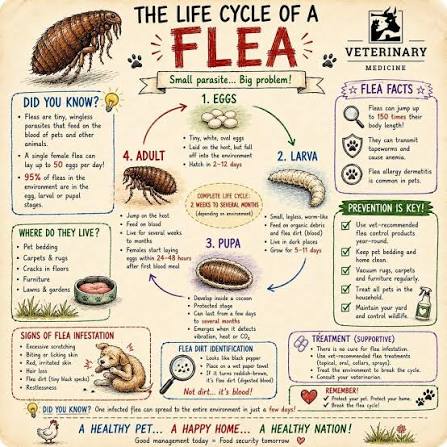
Check your dog’s coat regularly, especially around the neck, belly, and base of the tail. Keeping your dog’s sleeping area clean can also help reduce exposure to parasites.
2. Food Allergies
Some dogs can develop reactions to certain ingredients in their food. Itching may appear around the ears, paws, face, or body.
If you suspect a food-related problem, speak with a veterinarian before making major changes to your dog’s diet.
3. Environmental Allergies
Pollen, dust, grass, and other environmental factors can trigger itchy skin. Seasonal itching may become worse during certain times of the year.
Dogs that spend a lot of time outdoors may come into contact with allergens on their paws and coat.
4. Dry Skin
Dry air, frequent bathing, or unsuitable grooming products can contribute to dry and irritated skin.
Using dog-safe grooming products and avoiding excessive bathing may help support healthy skin.
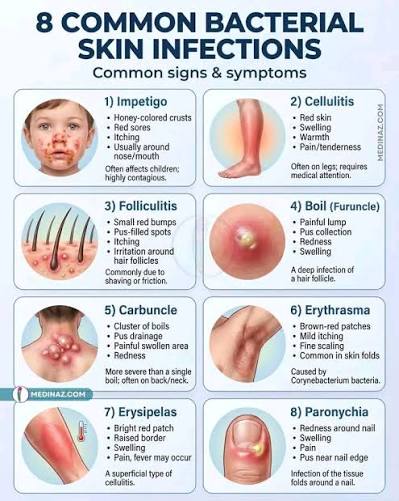
5. Skin Infections
Bacterial or yeast infections may cause itching along with redness, odor, flakes, or changes in the skin.
These problems may require specific treatment, so persistent symptoms should be checked by a veterinarian.
6. Parasites and Mites
Certain mites can cause intense itching and irritation. If your dog is scratching constantly, a veterinary examination can help identify the cause.
Professional diagnosis is important because different skin conditions can have similar symptoms.
7. Skin Irritation
New shampoos, cleaning products, plants, or other substances can sometimes irritate your dog’s skin.
Think about anything new your dog has recently encountered. Identifying and avoiding the possible irritant may help prevent further discomfort.
Common Signs of an Itchy Dog
| Sign | Possible Cause |
|---|---|
| Constant scratching | Allergies or parasites |
| Paw licking | Allergies or irritation |
| Red skin | Irritation or infection |
| Hair loss | Persistent scratching |
| Bad skin odor | Possible infection |
How to Identify the Cause
When asking Why Is My Dog So Itchy, look at when the itching started and where your dog is scratching most.
Check for fleas, redness, dry patches, hair loss, or unusual skin odor. Also consider recent changes in food, grooming products, environment, or daily routine.
Keeping a simple record of your dog’s symptoms can be helpful when speaking with a veterinarian. Note how often your dog scratches and whether the problem appears at a particular time or season.
Simple Relief Tips for Itchy Dog Skin
For mild irritation, keep your dog’s bedding clean and avoid using harsh grooming products. Regular grooming can also help you notice skin changes early.
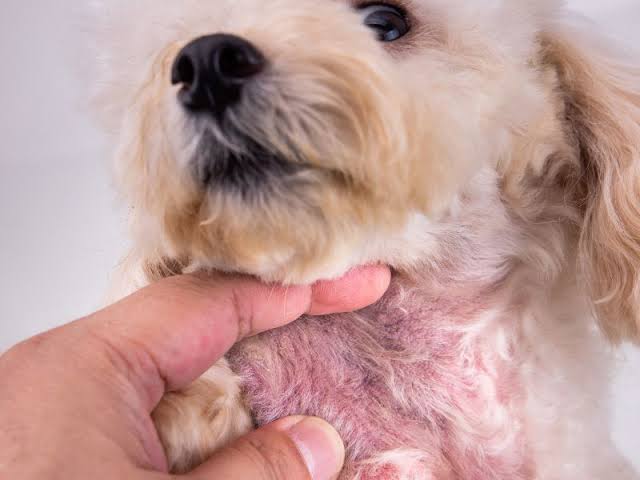
Make sure your dog has access to fresh water and a comfortable, clean resting area. Avoid scratching or irritating the affected skin further.
Do not give your dog human medicines or apply treatments without veterinary guidance, because some products can be unsafe for dogs.
When to See a Vet
If your dog has severe itching, open wounds, significant hair loss, swelling, bleeding, or persistent skin problems, contact a veterinarian.
You should also seek professional advice if the itching suddenly becomes severe or your dog seems unusually uncomfortable. Early professional care can help identify the cause and prevent the problem from becoming worse.
Final Thoughts
Why Is My Dog So Itchy can have several answers, from fleas and allergies to dry skin or infections. Understanding the common causes can help you notice warning signs sooner.
With proper care, regular grooming, and veterinary advice when needed, many causes of dog itching can be managed effectively. The key is finding the real cause instead of simply treating the scratching.
A little attention to your dog’s skin, coat, diet, and environment can make it easier to notice changes early and support better overall comfort and health.