Dog Microbiome Health: 7 Powerful Facts & Hidden Gut Risks
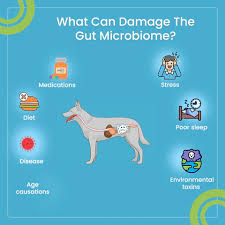
Dog Microbiome Health is becoming an important topic for pet owners who want to understand how their dog’s gut affects overall wellness. The gut contains trillions of microorganisms, including bacteria and other microbes, that interact with food, digestion, the immune system, and the body’s metabolism. When this microbial community stays balanced, it may support healthy digestion and normal body functions. However, changes in diet, age, illness, medications, and lifestyle can influence the gut microbiome.
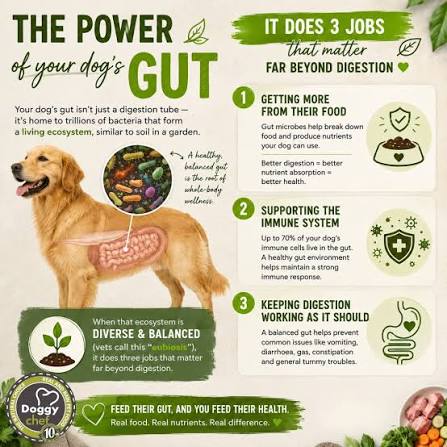
Table of Contents
- Why Dog Microbiome Health Matters
- Good Gut Bacteria
- Diet and Dog Microbiome Health
- Hidden Gut Risks
- Age and Gut Health
- Antibiotics and Gut Health
- Gut-Brain Connection
- Research Data
- How to Support Gut Health
- FAQs
- Conclusion
Dog Microbiome Health and Why It Matters
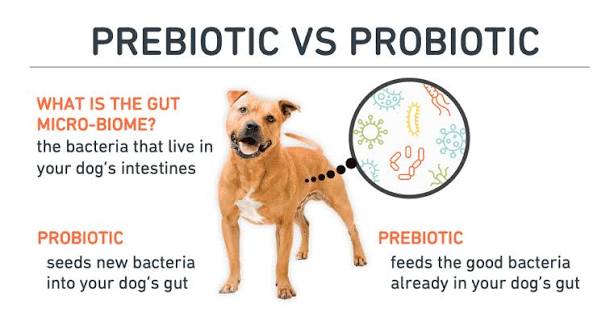
Dog Microbiome Health refers to the condition and balance of microorganisms living inside a dog’s digestive system. These microorganisms are not simply passengers in the gut. They can interact with nutrients and produce substances that influence digestion and other biological processes.
Research into the canine gut microbiome has grown rapidly because scientists are finding relationships between microbial communities, diet, age, and health. A large 2026 study using data from nearly 1,000 dogs found that the canine gut microbiome is influenced by several factors, including age, diet, health status, and environment.
This means that looking after a dog’s gut is about more than preventing occasional stomach upset. A healthy digestive environment may contribute to broader wellness.
Dog Microbiome Health and Good Gut Bacteria
A dog’s digestive tract contains many different microorganisms. Some are potentially beneficial, while others may cause problems when they become too abundant or when the overall microbial community becomes disrupted.
Beneficial bacteria can help break down certain components of food that the dog’s own digestive enzymes cannot completely process. Some gut microbes also produce metabolites that interact with the intestinal environment.
The goal of Dog Microbiome Health is not to eliminate bacteria. Instead, the goal is to maintain a diverse and stable microbial ecosystem that works well with the dog’s diet and body.
A healthy microbiome can change naturally over time. Therefore, one particular bacterial species should not automatically be considered “good” or “bad.” The overall microbial community and the dog’s health are more important.
Dog Microbiome Health and Diet
Diet is one of the major factors that can influence Dog Microbiome Health. Different nutrients provide different materials for gut bacteria to use.
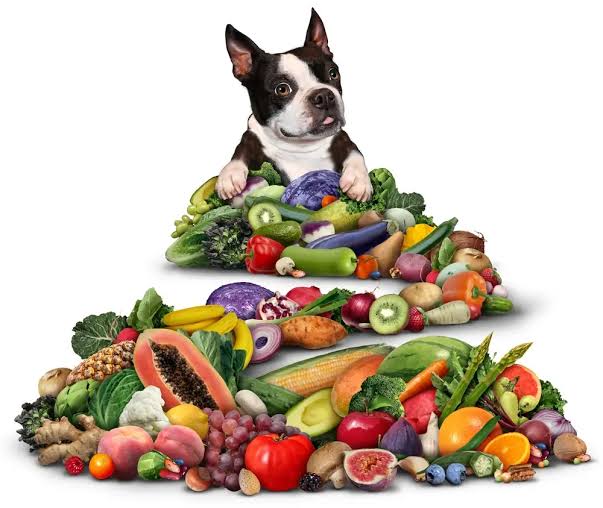
Fiber is particularly important because certain types of fiber can be fermented by intestinal microorganisms. This fermentation can produce short-chain fatty acids and other compounds that influence the gut environment.
Protein, fat, starch, and other dietary components can also affect the microbial community. This is why suddenly changing a dog’s food may sometimes result in digestive problems.
A gradual transition between foods can give the digestive system more time to adjust. Dogs with recurring digestive symptoms may also require a veterinarian’s advice because the best diet depends on the underlying cause.
Dog Microbiome Health and Hidden Gut Risks
One of the biggest concerns in Dog Microbiome Health is microbiome disruption, sometimes called dysbiosis. Dysbiosis means that the normal microbial community has changed in a way that may be associated with poor gut function or disease.
Digestive signs such as diarrhea, constipation, excessive gas, changes in stool quality, or reduced appetite can have many causes. A disrupted microbiome may be involved in some cases, but it should not automatically be blamed for every digestive problem.
Stress, dietary changes, infections, medications, and underlying gastrointestinal diseases can all affect the gut environment.
The hidden risk is that focusing only on symptoms may miss the reason behind them. If digestive problems continue or repeatedly return, a veterinary examination is more appropriate than simply trying random probiotics or supplements.
Dog Microbiome Health and Age
Age is another important factor in Dog Microbiome Health. Puppies, adult dogs, and senior dogs do not necessarily have identical gut microbial communities.
The 2026 Dog Aging Project research found age-related differences in the canine gut microbiome. Researchers identified 147 species, 46 genera, and 7 phyla associated with dog age in their analysis.
Dog Microbiome Health in Puppies
Young dogs experience major changes as their digestive systems develop. Their diet also changes significantly as they move from milk to solid food and eventually to adult diets.
These changes can influence the composition of their gut microorganisms.
Dog Microbiome Health in Senior Dogs
Older dogs may also experience changes in digestion and metabolism. Aging can influence the gut environment, while changes in activity, diet, medications, and existing health conditions may further affect the microbiome.
For senior dogs, maintaining an appropriate diet and monitoring changes in appetite, stool quality, weight, and energy can be especially useful.
Dog Microbiome Health and Antibiotics
Antibiotics can be extremely important when a veterinarian determines that a bacterial infection requires treatment. However, antibiotics can also affect bacteria in the digestive tract.
Because antibiotics may affect both harmful and beneficial bacteria, the intestinal microbial community can change during or after treatment.
This does not mean pet owners should avoid necessary antibiotics. Instead, Dog Microbiome Health highlights why antibiotics should be used under veterinary guidance and why unnecessary use should be avoided.
After treatment, some dogs may experience temporary digestive changes. If diarrhea or other symptoms persist, contacting a veterinarian is important.
Dog Microbiome Health and the Gut-Brain Connection
Scientists are also investigating the relationship between the gut and the brain. This communication system is often described as the gut-brain axis.
Microorganisms in the digestive system can produce metabolites and interact with biological pathways that may influence communication between the digestive tract and other parts of the body.
Research into Dog Microbiome Health and the gut-brain connection is still developing. Scientists are exploring whether changes in gut microorganisms may be associated with behavior, cognition, stress responses, and aging.
However, this field should not be overstated. More research is needed before microbiome-based approaches can be considered reliable treatments for behavioral or neurological conditions in dogs.
Dog Microbiome Health Research Data
Recent research provides useful evidence that the canine microbiome is complex and changes according to several biological and environmental factors.
| Dog Microbiome Research Finding | What It Shows |
|---|---|
| Nearly 1,000 dogs studied in major 2026 research | Large-scale insight into canine gut microbiomes |
| 147 microbial species associated with age | Gut microorganisms can vary across the lifespan |
| 46 genera associated with age | Microbiome composition changes at multiple taxonomic levels |
| 7 phyla associated with age | Age-related differences can extend across broad microbial groups |
| Diet affects gut microorganisms | Food composition can influence the microbial community |
| Antibiotics can alter gut bacteria | Medication may temporarily disrupt microbial balance |
Dog Microbiome Health Research Graph
The following research-based comparison illustrates the microbial groups identified as associated with dog age in the 2026 study:
Microbial groups associated with dog age
Species   ██████████████████████████████████████████████████ 147
Genera    ████████████████                                   46
Phyla     ███                                                 7
These numbers describe different taxonomic levels, so they should not be added together. The graph is intended to show the scale of microbial differences identified in the research rather than the total number of microorganisms in a dog’s gut.
How to Support Dog Microbiome Health
Supporting Dog Microbiome Health starts with basic, consistent care rather than complicated products.
A complete and balanced diet appropriate for the dog’s age, size, and health needs is one of the most important foundations. Sudden food changes should generally be avoided because rapid dietary changes can upset digestion.
Adequate hydration is also important for normal digestive function. Regular physical activity can support overall health as well.
Probiotics and other microbiome-focused products may be useful in certain situations, but they are not automatically necessary for every dog. Different products contain different microorganisms, and evidence can vary depending on the specific strain and health condition.
For a dog with chronic diarrhea, unexplained weight loss, repeated vomiting, blood in the stool, persistent appetite changes, or other concerning symptoms, veterinary evaluation should come before experimenting with supplements.
Dog Microbiome Health and Probiotics
Probiotics are live microorganisms that are intended to provide a health benefit when given in adequate amounts. They are often marketed for digestive support.
However, not every probiotic product works in the same way. The specific strain, dose, formulation, and reason for use can all matter.
This is why choosing a probiotic simply because it has a large number of bacterial cultures is not necessarily the best approach.
Veterinary research is continuing to investigate probiotics, prebiotics, synbiotics, and other microbiome-targeted approaches for gastrointestinal conditions.
Dog Microbiome Health and Long-Term Gut Wellness
Long-term Dog Microbiome Health is less about finding a single “perfect” bacterium and more about maintaining a stable digestive environment.
Consistent nutrition, appropriate exercise, veterinary care, and responsible medication use can all contribute to overall gut wellness.
It is also important to remember that every dog is different. A diet or supplement that works well for one dog may not be appropriate for another.
Future microbiome research may eventually allow veterinarians to use more personalized approaches based on a dog’s individual microbial profile.
Frequently Asked Questions About Dog Microbiome Health
What is Dog Microbiome Health?
Dog Microbiome Health describes the balance, diversity, and function of microorganisms living in a dog’s digestive system. These microorganisms interact with food and the intestinal environment and may influence several aspects of health.
Can a dog’s diet change its microbiome?
Yes. Different nutrients, including fiber, starch, and protein, can influence the composition and activity of gut microorganisms. Sudden dietary changes may also cause temporary digestive disturbances.
Are probiotics necessary for every dog?
No. Healthy dogs do not necessarily need probiotic supplements. Their usefulness depends on the individual dog, the product, and the reason for use.
Can antibiotics affect Dog Microbiome Health?
Yes. Antibiotics can change bacterial communities in the digestive tract. However, prescribed antibiotics can be important for treating bacterial infections and should not be stopped or avoided without veterinary advice.
Does age affect a dog’s microbiome?
Yes. Research has found age-related differences in canine gut microbial communities. Puppies, adults, and senior dogs can therefore have different microbiome characteristics.
What are signs of possible gut problems in dogs?
Changes such as persistent diarrhea, constipation, vomiting, excessive gas, appetite changes, weight loss, or abnormal stool can indicate a digestive problem. These signs can have many causes, so persistent symptoms should be evaluated by a veterinarian.
Conclusion
Dog Microbiome Health is an emerging area of canine wellness research that shows how closely the digestive system is connected with diet, age, medications, and overall health. A balanced microbiome may support normal digestion and other biological functions, while disruption can sometimes accompany gastrointestinal problems. The best approach is simple: provide appropriate nutrition, avoid unnecessary dietary changes, use medications responsibly, and seek veterinary advice when digestive problems persist.