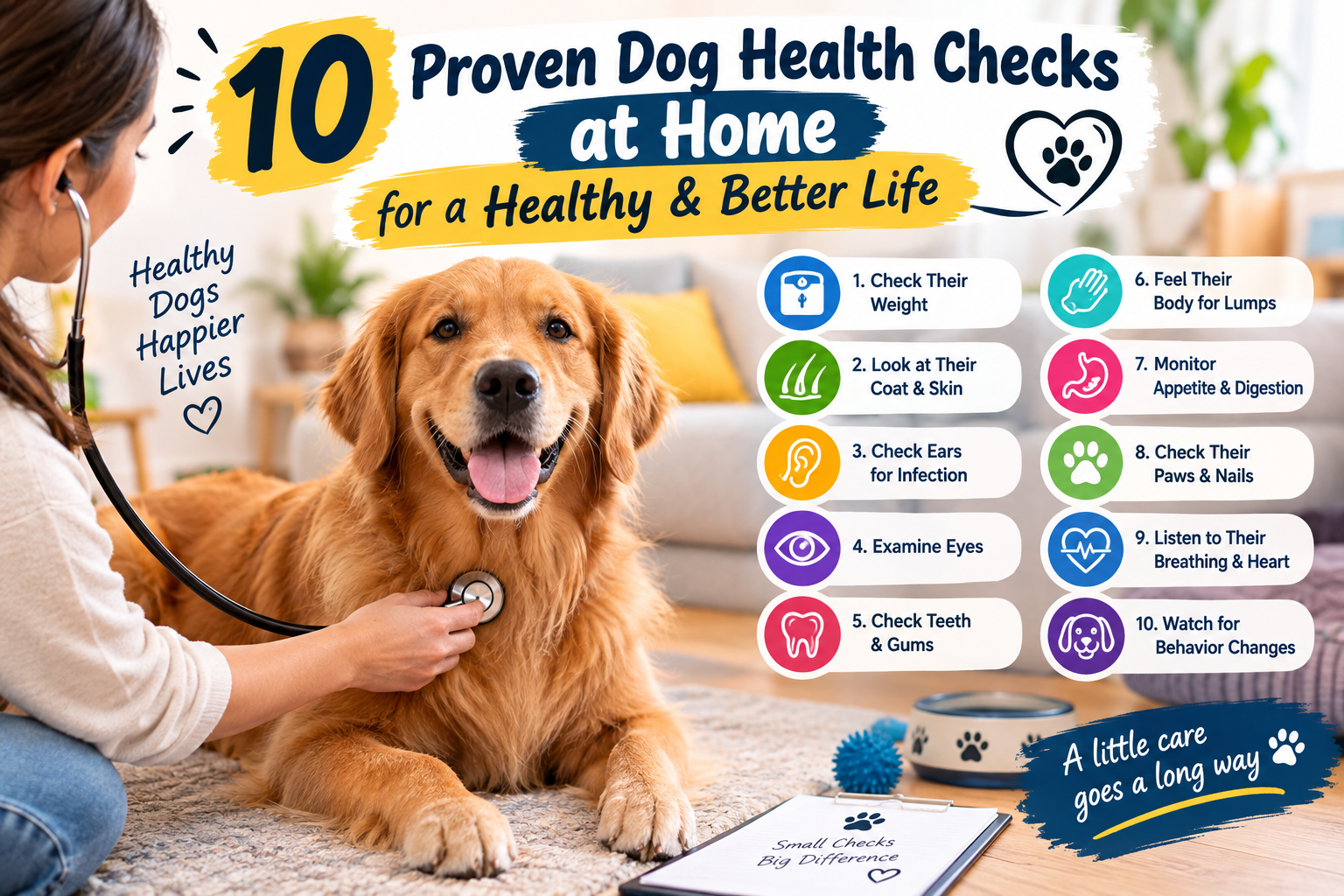
10 Proven Dog Health Checks at Home for a Healthy & Better Life
Dog Health Checks at Home are a simple way to understand your pet’s normal health and notice changes early. Your dog cannot tell you when something feels unusual, so regular observation can be helpful. You do not need special medical equipment or advanced veterinary knowledge to perform basic checks. A few minutes each week can help you become more familiar with your dog’s eyes, ears, teeth, skin, paws, body condition, appetite, behavior, and bathroom habits.
These home checks should not replace regular veterinary examinations. Instead, they are a useful way to monitor your dog between professional visits and provide your veterinarian with better information if something changes.
Table of Contents
- Why Dog Health Checks at Home Matter
- Dog Health Checks at Home for the Eyes
- Dog Health Checks at Home for the Ears
- Dog Health Checks at Home for Teeth and Gums
- Dog Health Checks at Home for Skin and Coat
- Dog Health Checks at Home for Paws
- Dog Health Checks at Home for Body Condition
- Dog Health Checks at Home for Appetite and Water
- Dog Health Checks at Home for Behavior
- Dog Health Checks at Home for Bathroom Habits
- Keeping a Weekly Dog Health Record
- Simple Weekly Dog Health Check Table
- When Home Checks Are Not Enough
- Final Thoughts
Why Dog Health Checks at Home Matter
Regular Dog Health Checks at Home can help you understand what is normal for your particular dog. Every dog is different, and factors such as age, breed, activity level, diet, and existing health conditions can affect appearance and behavior. When you regularly observe your pet, it becomes easier to recognize changes that may deserve attention.
For example, a dog that normally eats enthusiastically but suddenly loses interest in food is showing a change from its usual pattern. The same applies to energy levels, drinking habits, sleeping patterns, bathroom habits, or grooming behavior. These changes do not automatically mean that your dog is sick, but they can provide useful information for you and your veterinarian.
The American Kennel Club recommends paying attention to everyday habits such as eating, drinking, sleeping, activity, skin, coat, eyes, and other aspects of your dog’s condition. Regular observation can therefore become an important part of responsible pet care.
Dog Health Checks at Home for the Eyes
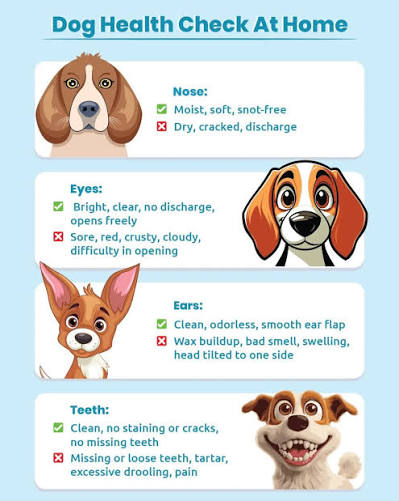
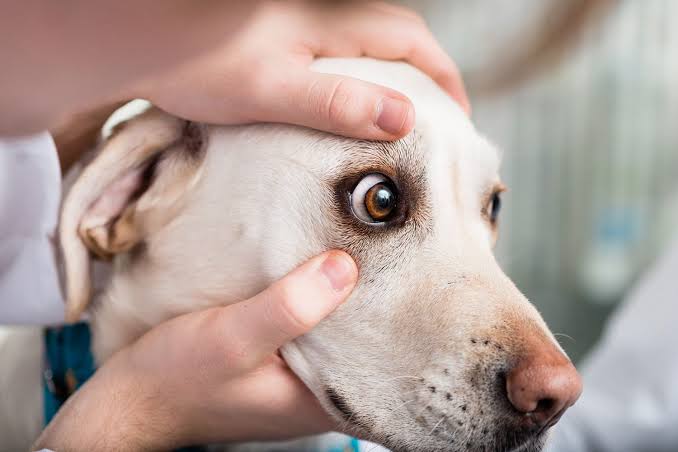
Your dog’s eyes are one of the easiest areas to observe during a weekly health check. Take a moment to look at both eyes in good lighting and compare them with how they normally appear. Many healthy dogs have clear and bright-looking eyes, although normal appearance can vary between breeds and individual dogs.
During your Dog Health Checks at Home, pay attention to changes such as unusual redness, swelling, excessive discharge, cloudiness, or repeated squinting. You may also notice your dog rubbing or pawing at its face. These changes can have many possible causes, so an online article cannot tell you what is causing them.
If your dog suddenly develops a significant eye problem or appears to be in pain, contacting a veterinarian is more appropriate than trying to treat the problem yourself.
Dog Health Checks at Home for the Ears
Ears are another area that deserves regular attention, particularly in dogs with floppy ears or heavy ear hair. Gently look at the visible part of each ear and compare it with its normal appearance. You can notice changes in color, odor, discharge, swelling, or irritation.
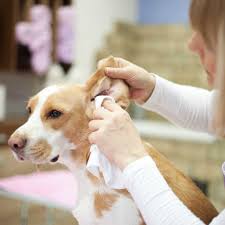
A dog that repeatedly shakes its head or scratches its ears may also be experiencing discomfort. These signs can have different causes, including irritation or ear disease, so professional examination may be necessary.
When performing Dog Health Checks at Home, avoid inserting cotton swabs or other objects deep inside the ear canal. If you notice significant redness, swelling, discharge, strong odor, or obvious pain, speak with your veterinarian.
Dog Health Checks at Home for Teeth and Gums
Dental care is an important part of overall dog health. If your dog is comfortable with mouth handling, gently lift the lips and look at the teeth and gums. You can observe whether there is visible tartar buildup, unusual swelling, bleeding, damaged teeth, or a noticeable change in breath.
Regular brushing with toothpaste specifically designed for dogs can help maintain dental hygiene. Veterinary organizations and pet-health experts generally recommend using products made for dogs rather than human toothpaste, because some human products can contain ingredients that are unsafe for pets.
If your dog is uncomfortable when you touch its mouth, do not force the examination. A veterinarian can perform a professional oral examination and advise you about appropriate dental care.
Dog Health Checks at Home for Skin and Coat
Your dog’s skin and coat can provide useful clues about changes in general condition. A weekly hands-on check is especially helpful because some changes may not be obvious just by looking at your dog from a distance.
Gently run your hands through the coat and look at the skin where possible. Notice whether there are new lumps, bumps, sores, bald areas, excessive flaking, irritation, swelling, or signs of parasites. Grooming can make this process easier because you are already handling the coat.
One important part of Dog Health Checks at Home is noticing new or changing lumps. A lump cannot reliably be identified simply by looking at it or feeling it. If you find a new lump or notice that an existing lump has changed, your veterinarian can determine whether further examination is needed.
Dog Health Checks at Home for Paws
Dogs use their paws every day for walking, running, playing, and exploring, so checking them regularly is worthwhile. Gently examine the paw pads and the spaces between the toes. Look for cuts, cracks, swelling, irritation, foreign material, or other changes.
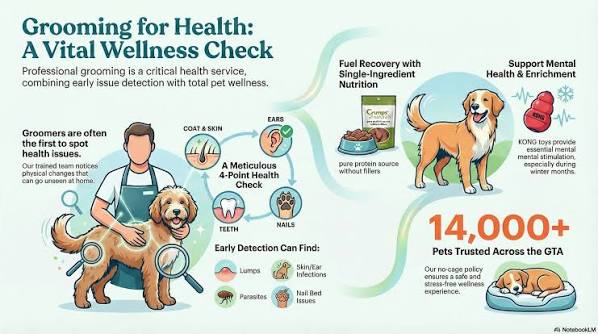
Nails should also be observed as part of normal grooming. Very long or damaged nails can cause discomfort and may affect how a dog walks.
During your Dog Health Checks at Home, pay attention to sudden licking of one paw or a new limp. If your dog appears to be in pain or refuses to put weight on a leg, a veterinary examination may be needed rather than relying only on a home inspection.
Dog Health Checks at Home for Body Condition
A healthy body condition is different from simply knowing your dog’s weight. Two dogs can weigh the same amount while having different body compositions because of differences in breed, size, muscle, and body structure.
When checking body condition at home, look at your dog from above and from the side. You can also gently feel the rib area. The ideal body condition varies between individual dogs, so if you are unsure whether your pet is at a healthy body condition, ask your veterinarian to demonstrate what you should look for.
Regular body-condition observation can be especially useful because gradual weight changes may be difficult to notice from day to day. Including this step in your Dog Health Checks at Home routine can help you recognize longer-term changes.
Dog Health Checks at Home for Appetite and Water
Your dog’s normal eating and drinking habits are important parts of everyday health monitoring. During your weekly check, think about whether your dog has been eating normally and whether its drinking pattern seems consistent with usual behavior.
Temporary changes can occur for many reasons. Weather, exercise, changes in food, and daily activity can all affect eating and drinking. However, a persistent or significant change may deserve veterinary attention, particularly if it occurs alongside other unusual symptoms.
Rather than trying to diagnose the cause yourself, record what you have noticed. This information can help your veterinarian understand what has changed and when the change started.
Dog Health Checks at Home for Behavior
Behavior is one of the most useful things to monitor because you know your dog’s normal personality. A normally playful dog that becomes unusually withdrawn, or a calm dog that suddenly becomes restless, may be showing a meaningful change.
During Dog Health Checks at Home, think about your dog’s normal energy, sleep, interest in play, interaction with family members, and general mood. Changes in behavior do not necessarily mean illness, but a noticeable or persistent change is worth paying attention to.
Dogs can also hide signs of discomfort, which is another reason why knowing their normal behavior can be useful. If your dog’s behavior changes significantly or you are concerned about its condition, veterinary advice can help determine what should happen next.
Dog Health Checks at Home for Bathroom Habits
Bathroom habits can also provide useful information. Pay attention to your dog’s normal urination and bowel movements and notice if there is a significant change from the usual pattern.
Changes such as repeated diarrhea, difficulty passing stool, unusual straining, or major changes in urination may require attention. A single minor change does not always indicate a serious problem, but persistent or concerning changes should not be ignored.
Keeping a simple record can make it easier to explain changes to your veterinarian. You do not need to diagnose anything yourself; simply observing and reporting what you see can be valuable.
Keeping a Weekly Dog Health Record
One of the easiest ways to make Dog Health Checks at Home more effective is to keep a small weekly record. You can write down your dog’s general energy, appetite, drinking habits, body condition, grooming observations, and anything that looks different.
Over several weeks, this record can help you recognize patterns that may otherwise be forgotten. If you eventually need to speak with a veterinarian, having a timeline of changes can also make the conversation more informative.
The purpose of the record is not to create a medical diagnosis. It is simply a practical way to understand your dog’s normal routine and identify noticeable changes.
Simple Weekly Dog Health Check Table
| Health Area | What You Can Observe | Follow-Up |
|---|---|---|
| Eyes | Appearance, redness, discharge, squinting | Contact vet if concerning |
| Ears | Odor, irritation, swelling, discharge | Veterinary advice if unusual |
| Teeth | Tartar, gums, damaged teeth, breath | Maintain regular dental care |
| Skin & Coat | Lumps, sores, irritation, coat changes | Track new or changing problems |
| Paws | Cuts, cracks, swelling, nails | Monitor or seek care if painful |
| Body Condition | Ribs, waist, overall shape | Discuss changes with vet |
| Appetite | Normal eating pattern | Monitor significant changes |
| Water | Normal drinking pattern | Discuss persistent unusual thirst |
| Behavior | Energy, sleep, mood, activity | Monitor significant changes |
| Bathroom | Urine and stool habits | Contact vet for concerning changes |
This table is intended for general home observation only. It is not a veterinary diagnostic tool.
When Dog Health Checks at Home Are Not Enough
Home monitoring is useful, but it has clear limits. You cannot diagnose many health conditions simply by looking at your dog, and some problems may require physical examination, laboratory testing, imaging, or other veterinary procedures.
If your dog develops a serious or rapidly worsening problem, appears to be in significant pain, has difficulty breathing, repeatedly vomits, has severe diarrhea, becomes extremely weak, or experiences another emergency-type symptom, seek veterinary care promptly.
Regular veterinary wellness examinations remain important even when your dog appears healthy. Veterinary visits allow professionals to assess areas that may not be possible to evaluate accurately at home and can help identify subtle changes.
Your home observations and professional veterinary care work together. One does not replace the other.
Final Thoughts
Dog Health Checks at Home can become a simple and useful part of your weekly pet-care routine. You do not need complicated equipment or advanced medical knowledge. By regularly observing your dog’s eyes, ears, teeth, skin, coat, paws, body condition, appetite, water intake, behavior, and bathroom habits, you can become more familiar with what is normal for your pet.
The most important part is consistency. A short weekly check can help you notice changes earlier and give you useful information to share with your veterinarian.
Remember that home checks are designed for observation, not diagnosis. When something looks unusual, changes over time, or causes you concern, professional veterinary advice is the safest next step.