Digital Twin for Dogs: 7 Futuristic Ways AI Could Transform Canine Health
Dogs may not be able to tell us exactly where they feel pain or why their behavior suddenly changes. Veterinarians therefore depend on physical examinations, medical history, laboratory tests, and observations to understand canine health. In the future, artificial intelligence could add another powerful layer to this process.

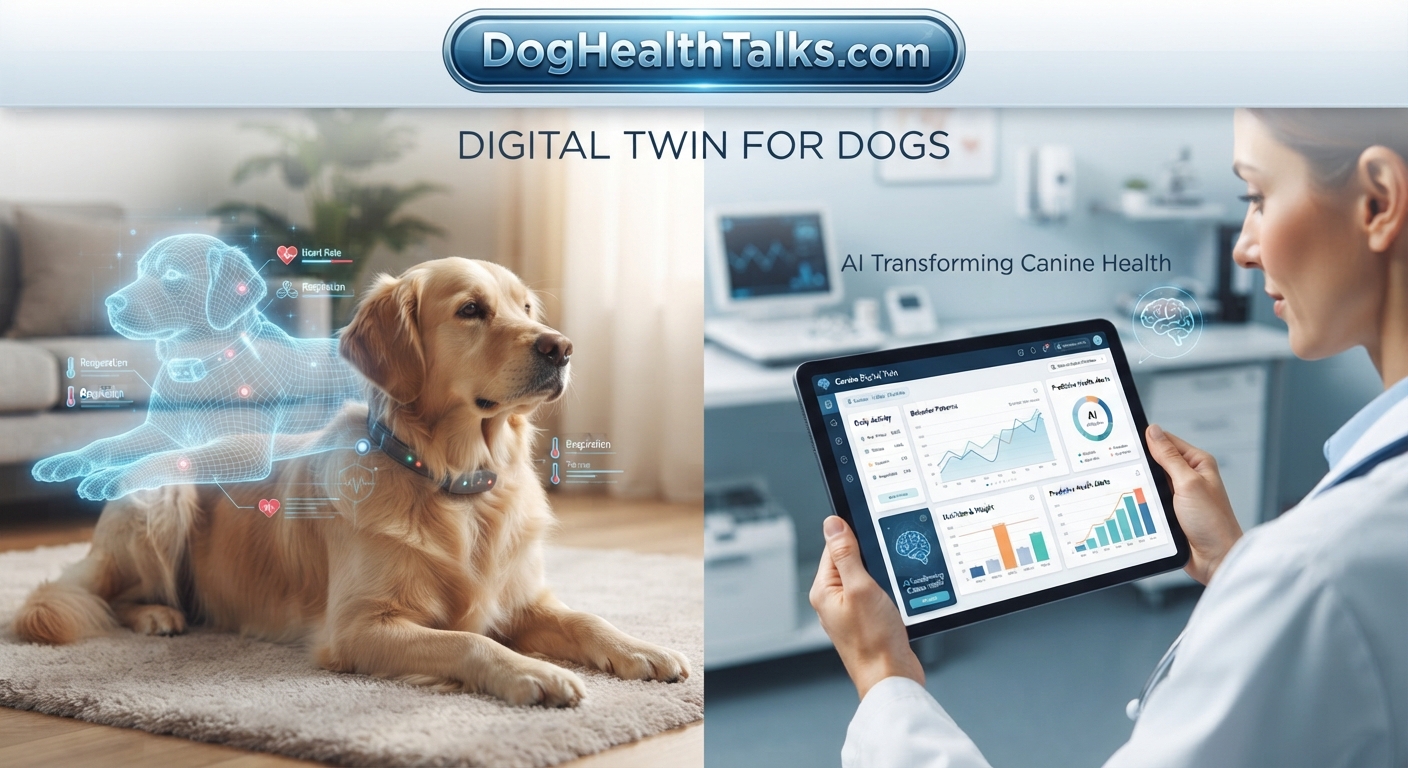
The idea of a Digital Twin for Dogs could allow a dog’s health information to be represented through an evolving digital model. This model could potentially combine information from smart collars, activity trackers, veterinary records, cameras, feeding systems, and other connected devices.
Instead of looking at one health measurement at a time, AI could examine patterns across many different types of information. A change in sleep, movement, appetite, heart rate, or daily behavior might become part of a larger health picture.
A Digital Twin for Dogs would not replace veterinarians. Instead, it could become a futuristic monitoring and decision-support system that helps identify unusual patterns earlier.
Table of Contents
- What Is a Digital Twin for Dogs?
- How AI Could Build a Digital Health Profile
- Monitoring Daily Activity
- Detecting Changes in Behavior
- Tracking Heart and Breathing Patterns
- Understanding Nutrition and Weight
- Predicting Potential Health Problems
- Supporting Veterinary Care
- Future Possibilities
- FAQ
- Conclusion
1. What Is a Digital Twin for Dogs?
A Digital Twin for Dogs can be imagined as a continuously updated digital representation of an individual dog’s health and daily condition.
The concept is related to digital twins already being explored in other fields. A digital model can receive information from real-world systems and use that information to represent what is happening in the physical world.
For dogs, the concept could involve collecting information from multiple sources.
For example, a smart collar might record activity and movement. A connected feeding system could record eating patterns. A camera could monitor posture and behavior. Veterinary records could provide information about previous illnesses, vaccinations, medications, and examinations.
AI could then organize these different data points into one evolving health profile.
A Digital Twin for Dogs would therefore be much more than a simple activity tracker. Its goal could be to understand how different health signals relate to one another over time.
2. How AI Could Build a Digital Health Profile
Artificial intelligence could become the main technology connecting the different parts of a dog’s digital health profile.
Imagine a dog that normally sleeps for a certain number of hours, walks regularly, eats consistently, and remains active throughout the day.
If these patterns suddenly changed, the AI system could notice the difference.
A Digital Twin for Dogs could potentially compare current information with the dog’s own historical baseline instead of comparing every dog with the same standard.
This is important because dogs naturally have different habits.
A young energetic dog may normally exercise much more than an older dog. A large breed may have completely different activity patterns from a small breed.
Personalized monitoring could therefore make future canine health technology more useful.
3. Monitoring Daily Activity
Movement can provide valuable information about a dog’s physical condition.
Future wearable devices could monitor walking, running, resting, jumping, and other movements. More advanced systems could potentially analyze changes in gait or movement patterns.
A Digital Twin for Dogs could use this information to establish what normal movement looks like for an individual dog.
Suppose a dog normally walks around the house frequently but gradually becomes less active.
One day of reduced activity might not mean much. However, a continuous decline over several days could become a noticeable pattern.
AI could flag this change for the owner or veterinarian.
This would not automatically mean that the dog has a particular disease. Instead, it could provide an early signal that something has changed and deserves attention.
4. Detecting Changes in Behavior
Dogs communicate heavily through behavior.
Changes in sleeping, eating, movement, interaction, vocalization, or daily routines can sometimes accompany changes in health or stress.
Future AI systems could analyze these behavioral signals together.
A Digital Twin for Dogs could potentially learn an individual dog’s normal routine and identify unusual deviations.
For example, imagine that a dog usually becomes active when its owner returns home. Over several weeks, the dog begins remaining in its sleeping area instead.
The system could record this behavioral change alongside other information.
If reduced activity, altered sleep, and changes in eating behavior occurred at the same time, the combined pattern could become more meaningful than any individual measurement.
This is where AI could provide an interesting advantage: it could process large amounts of information continuously.
5. Tracking Heart and Breathing Patterns
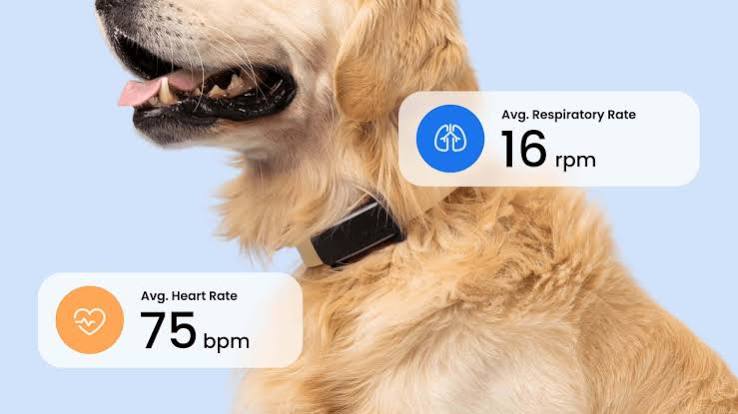
Wearable sensors could potentially make cardiovascular and respiratory monitoring another part of future canine health systems.
A Digital Twin for Dogs could receive information from compatible sensors and maintain a long-term record of relevant measurements.
Instead of only seeing a measurement during an occasional veterinary appointment, owners could potentially have access to information collected during normal daily life.
Advanced systems could examine trends rather than isolated numbers.
For example, an unusual change in resting activity combined with altered breathing patterns could trigger a notification suggesting that the owner discuss the change with a veterinarian.
Again, such a system would not necessarily diagnose the cause.
Its role would be to identify patterns that might otherwise be difficult for an owner to notice.
6. Understanding Nutrition and Weight
Nutrition could become another important part of future canine digital health systems.
Smart feeding devices may eventually provide detailed information about meal timing, food quantities, drinking behavior, and changes in consumption.
A Digital Twin for Dogs could combine this information with body weight and activity data.
For example, if a dog’s food intake increases while physical activity decreases, the system could recognize a potential change in its overall lifestyle pattern.
Similarly, a sudden reduction in food consumption could become another signal worth monitoring.
Future systems could also create personalized nutritional records rather than simply providing generic recommendations.
Veterinarians could potentially use these records alongside physical examinations and laboratory information when discussing a dog’s diet.
7. Predicting Potential Health Problems
One of the most interesting possibilities of a Digital Twin for Dogs would be predictive health monitoring.
AI systems are particularly useful at finding patterns within large datasets. If enough reliable information were collected, future models could potentially identify combinations of changes associated with certain health problems.
For example, the system might notice a combination of:
- Reduced daily movement
- Changes in sleep
- Altered eating patterns
- Increased resting time
- Changes in body weight
- Unusual behavior
None of these signals alone would necessarily indicate a serious problem.
However, their combination and timing could provide useful information.
A Digital Twin for Dogs could potentially compare these changes against the dog’s previous history and identify when the pattern becomes unusual.
This could encourage earlier veterinary attention.
Importantly, predictive technology should be treated as a monitoring tool rather than a replacement for professional diagnosis.
8. Supporting Veterinary Care
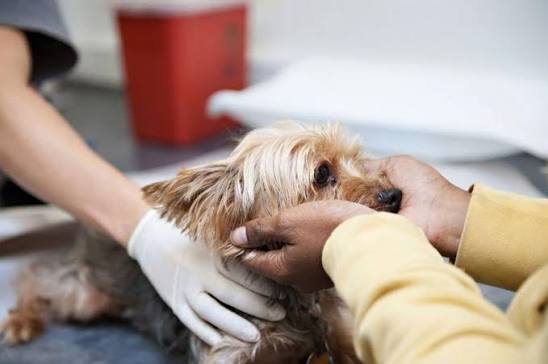
The technology could become even more useful when connected with veterinary care.
Today, owners may have to explain what happened between appointments. Their descriptions can naturally be incomplete because it is difficult to remember every detail.
A Digital Twin for Dogs could potentially create a longer-term record.
A veterinarian might be able to review activity trends, weight changes, eating patterns, sleep information, and other available data.
This could provide additional context.
For example, instead of simply saying that a dog “has been less active,” an owner might be able to show that activity gradually decreased over three weeks.
That information could help a veterinarian decide which questions to ask and which examinations or tests may be appropriate.
The final medical interpretation would still require veterinary expertise.
9. The Future of Personalized Dog Health
The biggest change created by a Digital Twin for Dogs could be personalization.
Traditional health advice often uses broad categories. Future AI systems could potentially build a much more individualized picture of each dog.
Age, breed, size, activity level, medical history, lifestyle, and daily behavior could all contribute to the model.
The system could continuously update itself as new information became available.
This could eventually create a health timeline showing how a dog’s behavior and physical condition changed throughout its life.
Future versions might even connect multiple technologies.
Smart collars could collect movement data. Cameras could analyze posture. Connected bowls could monitor food and water consumption. Environmental sensors could record temperature and air quality.
AI could bring these different signals together.
The result could be a much more detailed picture of canine wellbeing.
10. FAQ
What is a Digital Twin for Dogs?
A Digital Twin for Dogs is a futuristic concept in which AI creates a continuously updated digital representation of an individual dog’s health, behavior, and lifestyle.
Can a digital twin diagnose my dog?
No. A digital health model should not be treated as a replacement for a veterinarian. Its potential role would be monitoring, pattern recognition, and decision support.
What information could it use?
Future systems could potentially use information from wearable sensors, activity trackers, cameras, feeding devices, veterinary records, weight measurements, and other connected technologies.
Could it predict diseases?
A Digital Twin for Dogs could potentially identify unusual patterns associated with health changes. However, predicting or diagnosing a specific disease would require validated technology and professional veterinary evaluation.
Will every dog have a digital twin in the future?
It is possible that connected health technologies could become more common, but widespread use of complete digital twins for dogs remains a futuristic concept.
Conclusion
The future of canine healthcare could become much more personalized and data-driven. Instead of relying only on occasional observations, connected technologies could continuously collect information about a dog’s daily life.
A Digital Twin for Dogs could bring many of these technologies together. AI could analyze movement, sleep, nutrition, behavior, weight, and other health signals to create an evolving digital health profile.
The technology is still futuristic, and many challenges would need to be solved before such systems could become reliable veterinary tools. Data accuracy, privacy, veterinary validation, and the risk of false alerts would all need careful consideration.
However, the concept shows how artificial intelligence could change the way people monitor their dogs in the future. A digital model that learns an individual dog’s normal patterns could potentially help owners and veterinarians notice meaningful changes earlier and understand canine health in a more continuous way.
