 By devwiz
If your dog is in pain, you might wonder if something as common as baby aspirin could help. Used correctly, it can sometimes ease discomfort — but it’s not without risks.
A safe dose usually falls between 5–10 mg per pound (10–20 mg/kg), typically given every 12–24 hours under veterinary supervision. Always confirm with your vet before giving your dog aspirin.
This guide walks you through safe dosages, when it’s helpful or dangerous, and why a vet’s advice is always the smartest step.
Aspirin is a common medicine humans use to reduce pain, swelling, and fever. It belongs to a group of drugs called NSAIDs. While many people keep aspirin at home, it is not always safe for pets.
Dogs react differently to medications, so giving aspirin without guidance can be risky. It may help with discomfort, but it can also cause stomach problems or bleeding. Always ask a vet before giving aspirin to your dog.
For a 15-pound dog, vets suggest one 81 mg baby aspirin every 48 hours, or about 5–10 mg per pound of body weight.
However, this is a general guide, not a prescription. The safest dose depends on your dog’s health, age, and condition. Always talk to your vet before giving aspirin — small changes in dosage can make a big difference in safety.

Yes, but only under veterinary supervision. Aspirin is a human medication, and while it can reduce pain and inflammation in dogs, it can also cause serious harm if the wrong type or dose is used. Your vet will decide if aspirin is right for your dog and suggest safer alternatives.
Vets may prescribe aspirin for dogs when they need short-term relief from pain, swelling, or inflammation. It can sometimes help with conditions like mild injuries or temporary joint discomfort.
However, aspirin is never the first choice because it can irritate a dog’s stomach and cause side effects. Vets only use it when safer dog-specific medications aren’t available or suitable. They always give exact dosing instructions to keep your dog safe.
Aspirin is sometimes used for short-term pain relief, swelling reduction, or to prevent blood clots in certain heart conditions. It may help with arthritis flare-ups or minor injuries.
But it’s not a cure for the underlying cause, and it should never be a long-term solution without veterinary monitoring.
When used correctly, aspirin can:
- Reduce joint pain and stiffness
- Lower swelling after injuries
- Help manage fever
- Prevent dangerous blood clots in some heart problems
The main benefit is improved comfort and mobility. But aspirin works best as part of a full treatment plan, not as the only solution.
Also Read: Can Fleas Cause Seizures in Dogs? – The Proven Truth (2025)
Aspirin is part of a drug group called NSAIDs. Common risks include:
- Upset stomach or vomiting
- Stomach ulcers and bleeding
- Kidney or liver problems
- Allergic reactions
Dogs with specific health issues or on other medications face higher risks. Constantly monitor closely for any appetite, energy, or behavior change after giving aspirin.
General veterinary guidelines suggest 10–40 mg per kg (about 5–10 mg per pound) every 12–48 hours. Baby aspirin (81 mg) is often used for smaller dogs.
This is only a rough guide — a vet should confirm dosing after considering your dog’s size, breed, and health status.
- Use plain, uncoated aspirin (no flavoring or coatings).
- Give food to reduce stomach irritation.
- Limit use to a few days unless otherwise directed.
- Never combine with other NSAIDs or steroids without vet approval.
- Watch for any signs of side effects.

Yes, but not all dogs can take it safely. Puppies, pregnant dogs, and those with bleeding disorders, stomach ulcers, kidney or liver disease, or specific heart problems should never be given aspirin unless a vet insists.
Aspirin interacts badly with several classes of drugs and conditions:
- Other NSAIDs or steroids — greatly increases the risk of GI ulcers and bleeding. Never combine aspirin with carprofen, meloxicam, deracoxib, or prednisone without veterinary oversight.
- Anticoagulants (blood thinners) — platelet inhibition plus anticoagulant therapy raises bleeding risk.
- Certain heart or kidney disease — aspirin can reduce renal blood flow in compromised animals and worsen kidney function.
- Cats — be careful: cats process aspirin differently and are much more sensitive; do not give cat doses to dogs and vice versa. (This article focuses on dogs — but avoid cross-species dosing.)
Always tell your vet about every medication and supplement your dog takes before starting aspirin.
Most vets now prefer canine-specific NSAIDs that are formulated, dosed, and studied for dogs. Examples include:
- Carprofen (Rimadyl®)
- Meloxicam (Metacam®)
- Firocoxib (Previcox®)
These drugs have clearer dosing guidelines and monitoring plans for dogs and are generally safer and better-studied than using human aspirin for chronic pain control.
For platelet inhibition in cardiac cases, veterinarians may choose other, targeted therapies based on the situation. Ask your vet to explain risks and monitoring if an NSAID is recommended.
You can — but you shouldn’t without professional advice. Even the “safe” dose for one dog could harm another. Your vet will help you choose the proper medication, dosage, and treatment plan.
No. Puppies’ systems are too sensitive to aspirin; the risks outweigh the benefits. Call your vet immediately for safer, age-appropriate options if your puppy is in pain.
If your dog eats aspirin by accident:
- Call your vet or an emergency clinic immediately.
- Tell them your dog’s weight, how much was eaten, and when.
- Watch for vomiting, diarrhea, lethargy, or blood in stool.
Fast action can prevent serious harm.
A common rule is one 81 mg tablet for every 10–15 pounds, given every 12–48 hours. But remember — this is not a substitute for a vet’s guidance. Every dog is different.
If a dog has an adverse reaction, signs can appear within 1–2 hours. These may include vomiting, diarrhea, appetite loss, or bleeding signs. If you notice anything unusual, stop the medication and call your vet.
Dog-specific aspirin is designed to be easier on canine stomachs and doesn’t have the coatings or additives found in many human versions.
While baby aspirin is sometimes safe for dogs, human-coated tablets can cause irritation or reduce absorption.
Overdosing can cause:
- Severe stomach bleeding
- Kidney failure
- Seizures or tremors
- Death in extreme cases
Never guess your dog’s dose — always confirm with your vet.
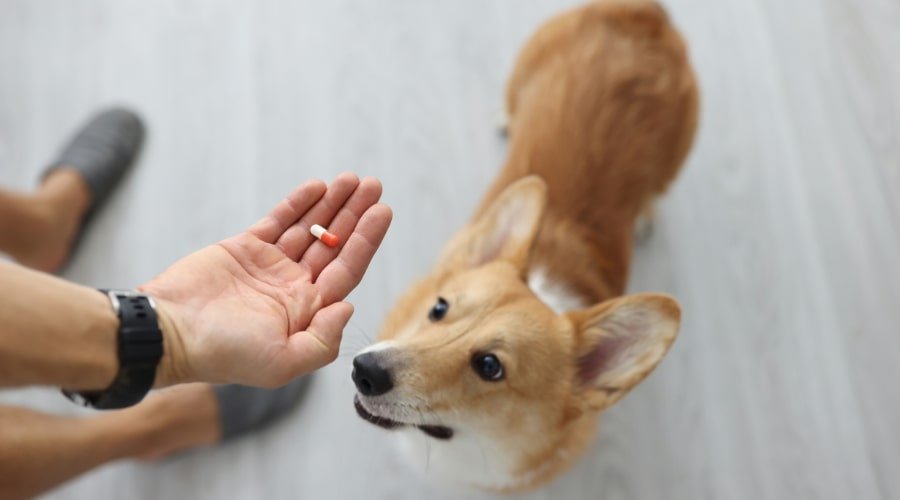
Aspirin can react badly with:
- Corticosteroids
- Blood thinners
- Other NSAIDs (like ibuprofen)
- Certain diuretics
Mixing these can significantly increase bleeding risk or organ damage. Always tell your vet about any meds your dog is taking.
Different sources recommend different schedules:
- Lower “antiplatelet” dosing (to affect clotting) may be once daily at a low mg/kg dose.
- Analgesic/anti-inflammatory dosing is often higher and may be split into every 12 hours dosing.
Again: your vet will choose frequency based on why aspirin is being used and on your dog’s other medicines and health. Do not assume “every 12 hours” is safe without vet approval.
Do not give aspirin if your dog:
- Is already on other NSAIDs (carprofen, meloxicam, deracoxib, etc.) — mixing increases bleeding and ulcer risk.
- Is on blood thinners or has clotting problems.
- Has stomach ulcers, bleeding disorders, severe kidney or liver disease.
- Is pregnant, very young, or very old without veterinary approval.
Also, many over-the-counter human formulations include other active ingredients (like acetaminophen, caffeine, or decongestants) that are harmful to dogs — read labels carefully and never give combination pills unless your vet says it’s safe.
Divide your dog’s weight (lbs) by 15 to estimate the number of 81 mg tablets.
Example: 30 kg ÷ 15 = 2 tablets every 12–48 hours.
Always check with your vet before using this rule.
Must Read: How to Clean Dog Vomit on Wood Floors – Proven 2025 Guide!
For mild pain, vets often recommend one 81 mg tablet per 10–15 lbs every 12–24 hours. Long-term use is discouraged due to the risk of stomach damage.
| Dog Weight | Baby Aspirin (81 mg) | Frequency |
| Up to 15 lbs | 1 tablet | Every 12–48 hrs |
| 16–30 lbs | 1–2 tablets | Every 12–48 hrs |
| 31–45 lbs | 2–3 tablets | Every 12–48 hrs |
Sometimes, yes — if the limp is caused by mild inflammation and your vet approves. But limping can be a sign of serious injury or illness. Always find the cause before giving any medication.
81 mg is the “baby aspirin” dose and is often safest for small to medium dogs. Still, even this low dose must be approved by your vet.
Formula:
Dog weight (lbs) ÷ 15 = Number of 81 mg tablets
Round down for safety and confirm with your vet.
An 81 mg baby aspirin is usually safe for small or medium dogs only under a vet’s guidance. Dosage depends on your dog’s weight and health.
Never give it daily without professional advice, as long-term use can harm the stomach or organs.
Aspirin can ease mild joint pain but is not the safest long-term choice. Your vet can confirm if it’s appropriate and suggest safer dog-specific pain relief. Always give with food, and watch for stomach upset or unusual behavior.
Aspirin can be safe in the correct dose and situation, but it’s risky without veterinary approval. Wrong amounts or coated tablets can cause bleeding, ulcers, or kidney damage. Always check with your vet before using any human medicine on dogs.

The typical dose is 5–10 mg per pound of body weight every 12–48 hours, but this can change based on your dog’s needs. Always get the exact dose from your vet to avoid dangerous side effects or overdosing.
Divide your dog’s weight in pounds by 15 to estimate 81 mg tablets, but confirm with your vet first. This rule is only a rough guide. Health conditions, age, and other medicines can change what’s truly safe for your pet.
Read More: Is There A Home Remedy For Dog Scooting – 8 Effective Tips!
Bayer low-dose aspirin is 81 mg, similar to baby aspirin, but only safe if your vet approves. Avoid coated or flavored versions, as they irritate a dog’s stomach. Use only plain aspirin, and follow professional dosing instructions closely.
You should only give your dog Bayer low-dose aspirin if your veterinarian says it is safe. Aspirin can cause stomach issues, bleeding, or serious side effects. Never give it on your own, especially if your dog takes other medicines or has health problems.
A dosage chart for dogs must always be approved by a veterinarian because every dog’s weight, age, and health needs are different. Online charts can be unsafe or inaccurate. Ask your vet for the correct PDF guide made specifically for your dog’s condition.
Vets sometimes use a low-dose guideline based on a dog’s weight, but this must only be done under professional care.
Giving the wrong amount can cause ulcers, bleeding, or overdose. Never calculate aspirin by yourself; always get your vet’s exact dosage instructions.
The amount of aspirin a dog can take depends on their weight and health, and only a veterinarian should decide.
Too much aspirin can be dangerous and even life-threatening. Always call your vet before giving your dog any human pain medicine.
Aspirin is not the safest option for limping or joint pain in dogs. It can irritate the stomach and cause bleeding.
Dog-specific pain medicines from a vet are much safer. Contact your vet before giving any aspirin for pain relief.
Only give 81 mg of aspirin under vet guidance. Dose depends on weight and health. Wrong amounts can cause bleeding, ulcers, or kidney damage.
Yes, but only with a vet’s approval. Baby aspirin can help with mild pain, but the wrong dose or health issues can make it dangerous.
It may cause stomach upset, bleeding, or worse in sensitive dogs. Call your vet immediately, even if your dog seems fine after ingestion.
Always use vet-approved medications. Many human painkillers harm dogs. Safer alternatives include carprofen or gabapentin, prescribed after a professional evaluation of your dog’s condition.
Aspirin may be safe with vet guidance, but Tylenol is toxic to dogs. Never give human medicine without professional advice to prevent serious harm.
Plain, uncoated baby aspirin is sometimes used for dogs, but only under vet supervision. Coated or flavored types can cause stomach irritation or other risks.
Only if your vet confirms the dose and timing. Giving aspirin without guidance risks serious side effects, especially if your dog has health issues.
Yes, Tractor Supply sells dog-safe pain products, including aspirin. Still, check with your vet first to confirm its suitability and get the correct dose.
Petco may sell pet-specific pain relief products, sometimes including aspirin. Always consult your vet before purchase to ensure it’s safe for your dog’s needs.
Most human pain meds are unsafe for dogs. Some, like aspirin, may be used under vet guidance. Always get professional advice before giving any.
Baby aspirin can sometimes help ease a dog’s pain or inflammation, but it’s never a one-size-fits-all solution. The correct dose depends on your dog’s size, health, and specific needs, and even small mistakes can lead to serious problems. Always use plain, uncoated aspirin, give it with food, and keep the treatment short-term unless your vet says otherwise. Most importantly, speak to your veterinarian before giving aspirin so your dog gets relief without unnecessary risk.
 Bushra Mukhtar