 By devwiz
When summer temperatures rise, dog owners often worry about dehydration, heatstroke, and paw burns. But did you know that extreme heat can also cause seizures in dogs?
Yes, heat can cause seizures in dogs. Heatstroke or heat exhaustion may trigger brain swelling and electrolyte imbalances, leading to seizures, especially in epileptic or vulnerable dogs. Immediate cooling and veterinary care are crucial.
In this article, we’ll explore how heat causes seizures in dogs, which dogs are at risk, warning signs to watch for, emergency first aid steps, and prevention strategies. By the end, you’ll know how to protect your furry companion during hot weather and respond if a seizure happens.
A seizure is a sudden, uncontrolled burst of electrical activity in a dog’s brain that disrupts normal function. This can cause muscle twitching, convulsions, loss of consciousness, drooling, or unusual behavior.
Types of seizures in dogs include:
- Generalized (grand mal): Full-body convulsions, often with loss of awareness.
- Focal seizures: Affect one part of the body, such as twitching in the face or limbs.
- Cluster seizures: Multiple seizures in a short time frame.
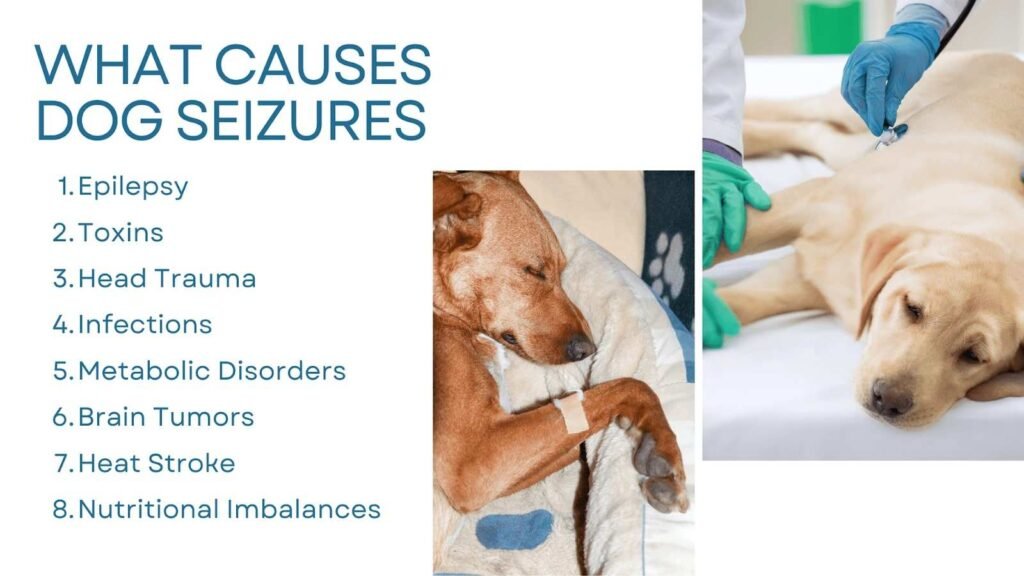
Seizures can occur due to epilepsy, toxins, low blood sugar, organ disease, or neurological issues — but heatstroke is also a serious trigger.

Yes. Heat can absolutely cause seizures in dogs. When a dog’s body temperature rises above safe levels (typically above 105°F / 40.5°C), it leads to hyperthermia or heatstroke.
During heatstroke, several dangerous changes occur:
- Brain swelling (cerebral edema): Heat causes inflammation in the brain.
- Electrolyte imbalance: Loss of sodium, potassium, and chloride disrupts brain signaling.
- Reduced oxygen delivery: High heat strains the cardiovascular system, limiting oxygen to the brain.
- Organ stress: Liver and kidney dysfunction affect metabolism and increase seizure risk.
Seizures are often one of the late-stage complications of heatstroke, meaning immediate veterinary intervention is crucial.
Dogs at Higher Risk of Heat-Induced Seizures
Not all dogs are equally vulnerable. Certain factors increase the risk of seizures caused by heat:
- Brachycephalic breeds (short-nosed dogs):
- Bulldogs, Pugs, Boxers, and Shih Tzus.
- These dogs struggle to cool themselves because their airways are shortened.
- Very young or elderly dogs:
- Puppies and seniors have less effective temperature regulation.
- Overweight or obese dogs:
- Excess fat acts as insulation, trapping heat.
- Dogs with epilepsy or prior seizure history:
- Heat lowers the seizure threshold, making episodes more likely.
- High-energy or working breeds:
- German Shepherds, Belgian Malinois, Retrievers, and Huskies are prone to overheating during exercise.

Recognizing early symptoms of overheating can prevent a seizure. Watch closely for these progressive signs of heat stress:
- Heavy panting
- Drooling with thick saliva
- Restlessness or anxiety
- Red or pale gums
- Vomiting or diarrhea
- Wobbly walking or collapse
- Lethargy or disorientation
- Tremors or muscle twitching
- Confusion, staring into space
- Loss of responsiveness
- Convulsions or seizure activity
⚠️ If your dog reaches the neurological stage, the situation is life-threatening. Call a vet immediately.
What to Do If Your Dog Has a Heat-Related Seizure
Seeing your dog have a seizure is terrifying, but staying calm and acting quickly can save their life.
- Immediately take your dog out of the sun.
- Place them in an air-conditioned room or shaded area.
- Use wet towels or lukewarm water on the paws, belly, and neck.
- Place a fan near your dog for evaporative cooling.
- Avoid ice baths — they can cause shock.
- Keep your dog away from sharp objects.
- Do not put anything in their mouth (they will not swallow their tongue).
- Time the seizure length for your vet.
- Even if the seizure stops, emergency care is required.
- Dogs may need IV fluids, oxygen therapy, or medications to stabilize them.
Some dogs recover fully after heat-induced seizures if treated quickly. However, severe cases can cause lasting complications, including:
- Permanent brain damage from oxygen deprivation.
- Organ failure (liver, kidney, heart).
- Increased likelihood of future seizures.
Your veterinarian may recommend blood tests, imaging, or seizure medication if neurological damage is suspected.
Prevention is always easier than treatment. Here are life-saving tips for hot days:
- Never leave dogs in cars. Temperatures inside can rise to lethal levels in minutes.
- Walk during cooler hours. Early morning or late evening is safest.
- Provide constant water & shade. Hydration prevents overheating.
- Use cooling gear. Mats, vests, and fans help regulate body temperature.
- Avoid over-exercise. Take breaks during playtime, especially for high-energy breeds.
- Monitor high-risk dogs closely. Flat-faced, overweight, or epileptic dogs need extra care.
Yes, heat can cause seizures in dogs, especially during heatstroke. Treatment involves cooling your dog safely with wet towels, fans, or shade, and getting immediate veterinary care. Quick action is vital because seizures from heat can damage the brain or organs if not treated fast.
Dogs can experience seizures while overheating, especially during play, walks, or hot weather. Heatstroke raises body temperature dangerously high, affecting the brain and causing seizures. Always give water, shade, and breaks to prevent heat from putting your dog’s life at risk.
You cannot fully stop a seizure once it starts, but you can protect your dog. Move them to a safe spot, keep them cool, and never put objects in their mouth. Time the episode and call your vet right away for urgent help.
If your dog shows heatstroke signs, move them to a cool, shaded place. Wet their paws, belly, and neck with lukewarm water, and use a fan. Offer small sips of water. Avoid ice baths. Always seek emergency veterinary care after cooling efforts.
Mild heatstroke signs in dogs include heavy panting, drooling, weakness, or vomiting. Immediate cooling and rest can help, but veterinary care is still necessary. Mild cases can quickly worsen, so never ignore early symptoms. Prevention and quick action are the best protection.
Seizures in dogs can be triggered by heatstroke, epilepsy, toxins, low blood sugar, brain injury, or even stress. Some breeds are more prone to seizures. Triggers vary, so tracking episodes and talking with your vet helps identify causes and prevent future ones.
The survival rate for dogs with heatstroke depends on how quickly they receive care. With fast cooling and veterinary treatment, many recover.
Severe or untreated cases may lead to organ failure or death. Early recognition and quick action give the best chance for survival.
Yes, heat can trigger seizures in dogs. Heatstroke raises body temperature, causing brain swelling and imbalances. Quick cooling and immediate veterinary care are lifesaving.
Seizures in dogs can be triggered by heatstroke, epilepsy, toxins, low blood sugar, stress, or brain injuries. Identifying triggers with your vet helps prevention.
Yes, extreme heat or heatstroke can trigger seizures in dogs. Overheating stresses the brain, leading to convulsions. Always protect dogs from high temperatures and dehydration.
Signs of dog heatstroke include heavy panting, drooling, weakness, vomiting, and collapse. Severe cases may cause confusion or seizures. Immediate cooling and vet care are essential.
Dogs may suddenly have seizures from epilepsy, heatstroke, toxins, infections, or brain issues. A vet exam is important to find the cause and proper treatment.
Fainting, trembling from pain, sleep movements, or balance problems can look like seizures in dogs. A vet check helps confirm the difference and guide treatment.
Most dog seizures last less than two minutes. Longer episodes or repeated seizures need urgent veterinary care because they may cause brain damage or organ issues.
Breeds like Beagles, German Shepherds, Labrador Retrievers, and Border Collies are more prone to seizures. Genetics, health conditions, or epilepsy increase their seizure risk.
If seizures become frequent, severe, or uncontrollable despite treatment, quality of life suffers. A vet may suggest euthanasia as a compassionate choice for your dog.
During seizures, dogs may collapse, twitch, drool, or lose awareness. They might paddle legs or stiffen. Episodes usually last minutes. Seek vet care immediately after.
Heat can indeed cause seizures in dogs, and the risks become especially high during heatstroke. Seizures signal that your dog’s body is in serious distress, and quick action can make the difference between recovery and tragedy. By learning the early warning signs, taking preventive steps, and knowing how to respond in an emergency, you can keep your furry friend safe even in extreme summer heat.
Remember: prevention is always better than treatment. Provide shade, fresh water, cooler walks, and avoid overexertion in hot weather. And if your dog ever experiences a seizure from heat, seek veterinary care immediately. Your vigilance and care can help your companion live a long, healthy, and happy life — no matter the season.
 Bushra Mukhtar