 By Bushra Mukhtar
Seeing your dog in pain can be heartbreaking, and in that moment, it’s natural to look for fast relief. Many pet parents wonder if common human medicines, like Tylenol, could help their dog feel better.
No. Dogs should never have Tylenol. Acetaminophen is toxic and can cause serious liver damage. Only a veterinarian can prescribe safe pain relief.
This guide is here to give you clear, honest information about Tylenol and dogs, so you can make safe choices with confidence and protect the health of the companion who trusts you most.

When your dog looks uncomfortable or in pain, it’s natural to want quick relief. Many pet parents search this topic during stressful moments. Let’s calmly and clearly answer the most important questions.
In almost all cases, no. Tylenol (acetaminophen) is made for humans, not dogs. Dogs process this drug very differently, and their bodies cannot safely break it down. Even doses that seem small can cause serious harm.
In extremely rare situations, a veterinarian may use acetaminophen under strict medical supervision, with exact dosing and close monitoring. This should never be done at home or without professional guidance.
Symptoms often appear within 1 to 4 hours, but sometimes sooner. Early signs include vomiting, drooling, tiredness, and facial or paw swelling. As poisoning worsens, dogs may struggle to breathe or collapse.
Any unusual behavior after possible Tylenol exposure should be treated as an emergency.
Immediately. Do not wait for symptoms.
If you think your dog swallowed Tylenol, chewed a pill, or even licked residue, contact an emergency veterinary clinic right away. Early treatment can be life-saving and dramatically improves recovery chances.
There are safe, effective pain relief options made specifically for dogs. These include veterinary-approved medications, supportive care, and sometimes natural therapies recommended by professionals.
Your veterinarian will choose the safest option based on your dog’s size, age, health, and pain level.
Tylenol’s active ingredient, acetaminophen, overwhelms a dog’s liver. Dogs lack key enzymes needed to safely process this drug. As a result, toxic byproducts build up quickly in the body.
These toxins damage the liver and red blood cells. When red blood cells cannot carry oxygen properly, organs begin to suffer. This combination makes Tylenol especially dangerous for dogs.
Smaller dogs are at even greater risk because toxic levels are reached faster.
Mild exposure might occur if a dog licks a pill fragment or chews packaging. Even then, the situation should be taken seriously.
Early signs may include:
- Slight low energy
- Reduced appetite
- Mild stomach upset
These symptoms can look harmless at first, but they may quickly progress. Calling a veterinarian early often prevents serious complications.
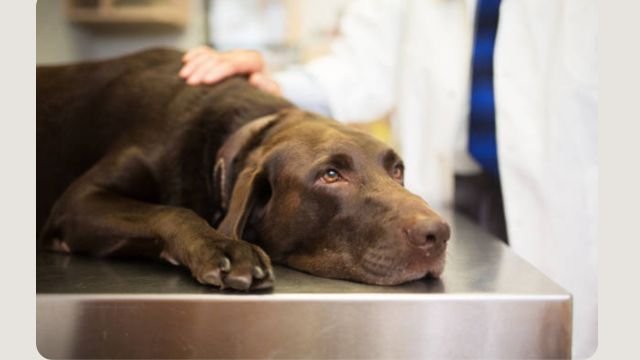
Severe Tylenol toxicity is dramatic and frightening. Dogs may show:
- Heavy drooling
- Vomiting
- Labored or rapid breathing
- Swelling of the face or paws
- Yellow or bluish gums
- Weakness, stumbling, or collapse
These signs mean your dog needs urgent emergency care.
Staying calm and acting quickly can save your dog’s life.
Call an emergency veterinary clinic as soon as you suspect exposure. Share:
- When ingestion happened
- How much Tylenol may be involved
- Any symptoms you see
Follow their instructions exactly.
While preparing to go, check:
- Gum color (should be healthy pink)
- Breathing rate (normal is 10–30 breaths per minute)
- Alertness and movement
Report anything unusual to the veterinarian.
Keep your dog calm and warm. Bring the medication bottle or packaging if possible. This helps the vet act faster and choose the best treatment.
If symptoms worsen on the way, call the clinic again.
Tylenol toxicity can lead to:
- Acute liver failure
- Severe oxygen deprivation
- Internal bleeding
- Shock
Without rapid treatment, these conditions can be fatal. With early care, many dogs recover well and go on to live happy, healthy lives.
The biggest risks include:
- Permanent liver damage
- Blood cell destruction
- Long recovery periods
- High treatment costs if care is delayed
The good news is that fast action dramatically lowers these risks.
Watch closely for:
- Vomiting or nausea
- Drooling or foaming
- Facial swelling
- Pale, yellow, or blue gums
- Dark urine
- Extreme tiredness
- Collapse
If you notice any of these, treat it as an emergency.
While waiting for veterinary care, your role is comfort and observation.
Place your dog in a quiet, calm area. Limit movement. Stress can worsen symptoms. Stay nearby and watch breathing, gum color, and alertness closely.
Do not give food, treats, or other medications unless instructed by a veterinarian.
If your dog is alert and not vomiting, you may offer small sips of water. Stop immediately if vomiting starts or your dog resists.
Never force water or food.

Prevention is powerful and simple:
- Store all medications in closed cabinets
- Never leave pills on counters or tables
- Keep purses and bags out of reach
- Educate family members and visitors
Make a household rule: no human medication for pets.
No. Tylenol is not a safe at-home medication for dogs. Even guessing a dose can be extremely dangerous. Dogs deserve treatments designed specifically for their bodies.
Pain relief matters, but Tylenol is not the answer. Giving it for pain can quickly turn a loving decision into a medical emergency.
Safe pain control always starts with a veterinarian.
In very rare, controlled cases, a veterinarian may use acetaminophen as part of a carefully monitored treatment plan. This is done with precise dosing, blood monitoring, and clear safety margins.
This does not mean it is safe for home use.
Veterinarians may recommend:
- Dog-specific pain medications
- Anti-inflammatory drugs made for pets
- Joint supplements
- Physical therapy
- Rest and supportive care
The right choice depends on your dog’s condition and overall health.
Worrying about your dog can feel overwhelming. You are not alone.
Veterinary teams are trained to handle Tylenol toxicity quickly and compassionately. If you’re unsure, calling for advice is always the right move. Acting early is an act of love.
- Tylenol is highly toxic to dogs
- Even small amounts can be life-threatening
- Symptoms may appear quickly
- Immediate veterinary care saves lives
- Safe dog-specific pain options are available
Only painkillers made for dogs are safe. Your vet may prescribe dog-specific anti-inflammatory medicine. Never give human painkillers at home, because many are toxic. Always ask your veterinarian before giving any medicine to your dog.
No, dogs should never have ibuprofen. It is very dangerous and can cause stomach bleeding, kidney failure, or death. Even a small amount can harm your dog. If your dog swallowed ibuprofen, contact a vet immediately.
No, dogs cannot have Tylenol 500mg. This dose is extremely dangerous for dogs and can cause severe liver damage. Never give Tylenol without a vet’s direct instructions. Call a veterinarian right away if ingestion happens.
Aspirin is not safe to give without veterinary advice. In some cases, vets may allow special dosing, but wrong amounts can cause bleeding or stomach ulcers. Never give aspirin unless your vet specifically tells you to do so.
No, dogs should never have Tylenol PM. It contains acetaminophen and sleep medicine, both very harmful to dogs. Tylenol PM can cause breathing problems, liver failure, and death. This is a serious emergency if swallowed.
Would you like to know more About Dog:
Does My Dog Know I’m Sick – 10 Ways They Sense Illness!
How to Clean Dog Vomit on Wood Floors – Proven 2026 Guide!
When it comes to your dog’s health, good intentions are not enough—safe choices matter most. Dogs should never have Tylenol, even in small amounts, because it can cause severe and life-threatening damage.
While seeing your dog in pain is upsetting, giving human medicine can turn concern into an emergency within hours. The safest and most loving step is always to contact a veterinarian, who can recommend treatments made specifically for dogs.
With quick action, proper guidance, and prevention at home, you can protect your dog’s health and give them the comfort they truly deserve.
Is Tylenol safe for dogs in any amount?
No amount of Tylenol is safe for dogs. Even small doses can cause serious liver damage and life-threatening problems.
Why is Tylenol dangerous for dogs?
Tylenol damages a dog’s liver and blood cells because dogs cannot safely process acetaminophen in their bodies.
What should I do if my dog ate Tylenol?
Call a veterinarian or emergency clinic immediately. Do not wait for symptoms, as early treatment can save your dog’s life.
Do vets ever prescribe Tylenol for dogs?
Very rarely, and only under strict veterinary supervision with exact dosing and monitoring. Never give it at home.
What pain relief can I give my dog?
Only vet-approved pain medicine made for dogs is safe. Always consult your veterinarian before giving anything.
Will half a Tylenol hurt a dog?
Yes, even half a Tylenol can seriously harm a dog, especially small dogs, and may cause liver failure.
What human pain reliever is ok for dogs?
Most human pain relievers are unsafe for dogs. Never give human medicine unless your veterinarian says it’s safe.
Are there any pain relievers safe for dogs?
Yes, there are dog-specific pain relievers prescribed by veterinarians that are safe when used correctly.
What can I give my dog if it’s in pain?
Call your vet for safe treatment. Rest, comfort, and prescribed dog medicine are the best options.
Can I give my dog aspirin for pain?
Do not give aspirin without vet advice. Wrong doses can cause stomach bleeding and serious health problems.
What human painkiller is ok for dogs?
Veterinarians may prescribe certain pain medications designed for dogs, but it’s important to avoid self-medicating with human medications.
How can I comfort my dog in pain?
Engage in calm, soothing activities like light massage or quiet companionship to reduce anxiety.
 devwiz