 By devwiz
Cats are curious little food explorers. If you open a box of cereal and suddenly hear tiny paws racing toward you, you’re not alone! Many cats want to sniff and even taste what their humans are eating. But is cereal actually safe for them?
Cats can eat a tiny amount of plain, dry cereal, but it offers little nutrition. Avoid sugary, chocolate, or flavored cereals. Cats can’t digest high-carb foods well, so choose proper cat food instead.
Let’s dive deeper so you know exactly what’s good and what’s risky for your furry friend.
Cats are obligate carnivores, which means:
✅ Their bodies are built to eat meat
❌ Their digestion isn’t designed for large amounts of grains or carbs
Cats need nutrients that humans and other animals get from plants, including:
- Animal protein
- Taurine (essential amino acid)
- Healthy fats
- Vitamins and minerals found in animal tissue
Cereal is mostly:
- Carbohydrates
- Sugars
- Processed grains
Which means:
🛑 Cereal does not provide the nutrition a cat needs
✅ Cat food is always the best option for their health
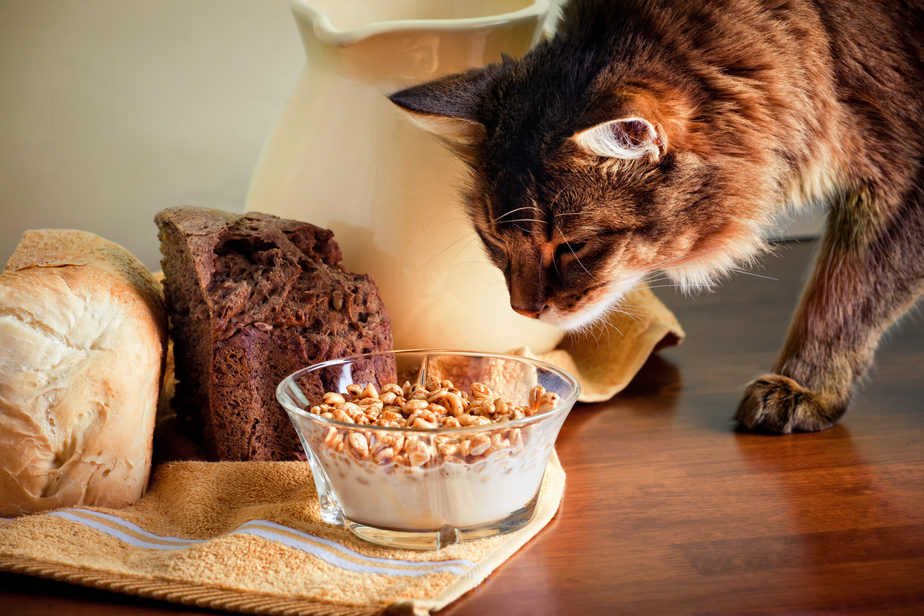
Even though cereal is not ideal for them, cats may still try to steal it because:
- They love the crunchy texture
- They are curious about new smells
- They want to mimic your eating habits
- They like milk and try to reach the bowl
So it’s not that cats need cereal — they just think it’s interesting!
- A tiny amount of plain cereal is usually harmless
- Crunchy texture may feel fun for them
- Low risk if there are no added harmful ingredients
- No nutritional value for cats
- Too many carbs = weight gain
- Risk of digestive upset
- Sugary cereals can harm teeth and metabolism
- Some ingredients can be toxic
So while one or two pieces won’t hurt, cereal offers zero health benefits to cats.
Always check the label. Some ingredients are very risky:
❌ Sugar
Can lead to obesity, diabetes, tooth decay
❌ Salt
Can harm kidneys
❌ Chocolate
Toxic to cats — even small amounts
❌ Raisins or dried grapes
Can cause kidney failure
❌ Nuts
Hard to digest and can cause choking
❌ Artificial sweeteners (like xylitol)
May cause life-threatening reactions
❌ Dyes and flavors
May irritate the stomach or trigger allergies
If any of these appear on the label → keep the cereal away from your cat!
Most adult cats are lactose intolerant. Their stomach cannot properly break down milk sugar.
What happens if they drink milk?
- Vomiting
- Diarrhea
- Gas and bloating
- Stomach pain
So giving cereal with milk is a double problem:
1️⃣ Cereal = too much sugar and carbs
2️⃣ Milk = digestive trouble
If you ever share a tiny cereal piece…
➡ Serve it dry and plain
If your cat is begging and you really want to treat them:
Safe serving:
- 1–2 tiny pieces
- Once in a while only
- As a rare snack, not a habit
- No milk
Always avoid:
- Daily cereal feeding
- Large portions
- Baby cereal made with milk
- Sugary or flavored cereals
You can enjoy your breakfast — but don’t turn it into your cat’s meal too!
Here’s a simple guide you can follow 👇
| Cereal Type | Safe or Unsafe? | Why |
| Plain Cheerios | ✅ Low-risk treat | No chocolate or raisins, low sugar |
| Rice Krispies (plain) | ✅ Minimal risk | Very small serving only |
| Corn Flakes (plain) | ✅ Limited | Still high carb, no nutrition |
| Frosted Flakes | ❌ Unsafe | Too much sugar |
| Cocoa Puffs / Chocolate cereals | 🚫 Very dangerous | Chocolate is toxic |
| Raisin Bran | ❌ Extremely unsafe | Raisins are poisonous |
| Granola with nuts and honey | ❌ Avoid | High sugar + nuts risk |
| Sugary kids cereals | ❌ No | High additives + dyes |
Remember:
Even safe cereals are not healthy — just low-risk.
If your cat sneaks a bowl or eats harmful cereal:
✅ Remove remaining cereal
✅ Give fresh water
✅ Observe closely for 24 hours
Watch for these warning signs:
- Vomiting
- Diarrhea
- Lethargy / weakness
- Excessive thirst
- Trembling
- Rapid heartbeat
If your cat ate chocolate cereal, raisins, or nuts →
📞 Contact a vet immediately
Quick help = better outcome
Instead of cereal, give snacks designed for cats:
- High-protein cat treats
- Small bits of cooked chicken or turkey (plain)
- Freeze-dried meat snacks
- Catnip or cat grass
- Store-bought functional treats (dental, joint, hairball care)
Healthy options show love without risking health ❤️
Cats are smart trouble-makers! Try these tips:
- Feed the cat before your breakfast
- Keep cereal bowls out of reach
- Don’t leave cereal on countertops
- Provide interactive toys and puzzles
- Redirect behavior with a treat or toy
Prevention is easier than chasing them off the table every morning!
Cats should not eat cereal with milk. Most adult cats can’t digest lactose, which causes vomiting or diarrhea. Cereal also has sugar and carbs they don’t need. A tiny dry piece is okay, but avoid milk completely for their health.
Cats can taste a tiny dry cereal piece in the morning, but it shouldn’t become a routine breakfast. Cats need meat-based food, not human cereal. Too much cereal may upset their stomach and cause weight gain over time. Always prioritizeproper cat meals.
Cats may like cheese, but many are lactose intolerant, so it can upset their stomach. Cheese is high in fat and salt, which isn’t healthy for cats. If you offer some, it should be a very small, occasional treat only.
No, cats shouldn’t eat cereal every day. Cereal isn’t nutritious for cats and contains carbs, sugar, and additives that can lead to health problems. It should never replace cat food. Offer cereal only as a rare, tiny treat if necessary.
Corn flakes, if plain and dry, are usually low risk in very small amounts. But they don’t offer any benefits and may irritate a cat’s stomach. Avoid corn flakes that include sugar, chocolate, or milk. Cat food is always better.
Dogs can sometimes eat small amounts of plain cereal as a treat. Avoid sugary, chocolate, and flavored cereals because these ingredients may harm dogs. Cereal shouldn’t replace dog food, since dogs need balanced nutrients to stay healthy and strong daily.
Yes, cats can eat a tiny piece of banana safely, but only sometimes. Bananas are high in sugar and not needed in a cat’s diet. Offer small bites only, and avoid giving bananas to cats with diabetes or weight issues.
Cats can eat plain cereal pieces without sugar, chocolate, raisins, or milk, but only occasionally because cereal lacks important nutrition.
Cats can eat plain Cheerios rarely, but they provide no benefits, so always choose proper cat food for daily nutrition.
Cats should never eat chocolate, onions, garlic, raisins, grapes, alcohol, caffeine, xylitol, because they can cause dangerous poisoning for cats.
Cooked chicken, turkey, scrambled eggs, plain rice, or certain cat-safe vegetables are human foods cats can enjoy occasionally as treats.
The 3-3-3 rule means three days to settle in, three weeks to adjust, three months to feel comfortable and loved.
The healthiest food for cats is balanced, meat-based cat food providing protein, taurine, vitamins, fats, and essential nutrients every day.
Most cats absolutely love meat, especially chicken, tuna, or fish-flavored treats, because their natural instincts make them crave animal protein.
Cats say sorry by rubbing against you, slowly blinking, purring, staying close, or bringing small toys to show loving behavior.
Best breakfast for cats is their regular wet or dry cat food, providing nutrition, hydration, and energy to stay healthy.
A little milk can upset a cat’s stomach because most cats are lactose intolerant, causing gas, diarrhea, or digestive problems.
Cats are curious eaters who love investigating what we enjoy, but cereal isn’t made for their bodies. A tiny, plain dry piece once in a while is usually safe — but cereal provides no real nutrition and may even cause stomach problems, especially when milk, sugar, chocolate, or raisins are involved. The best way to care for your cat is by offering a balanced, meat-based diet and treats made just for them.
So, while sharing a tiny cereal bite won’t harm a healthy cat, saving cereal time for humans is always the smarter and safer choice. Keeping your feline friend’s meals healthy ensures a happier, longer life filled with more purrs, cuddles, and playful mornings together.
 Bushra Mukhtar