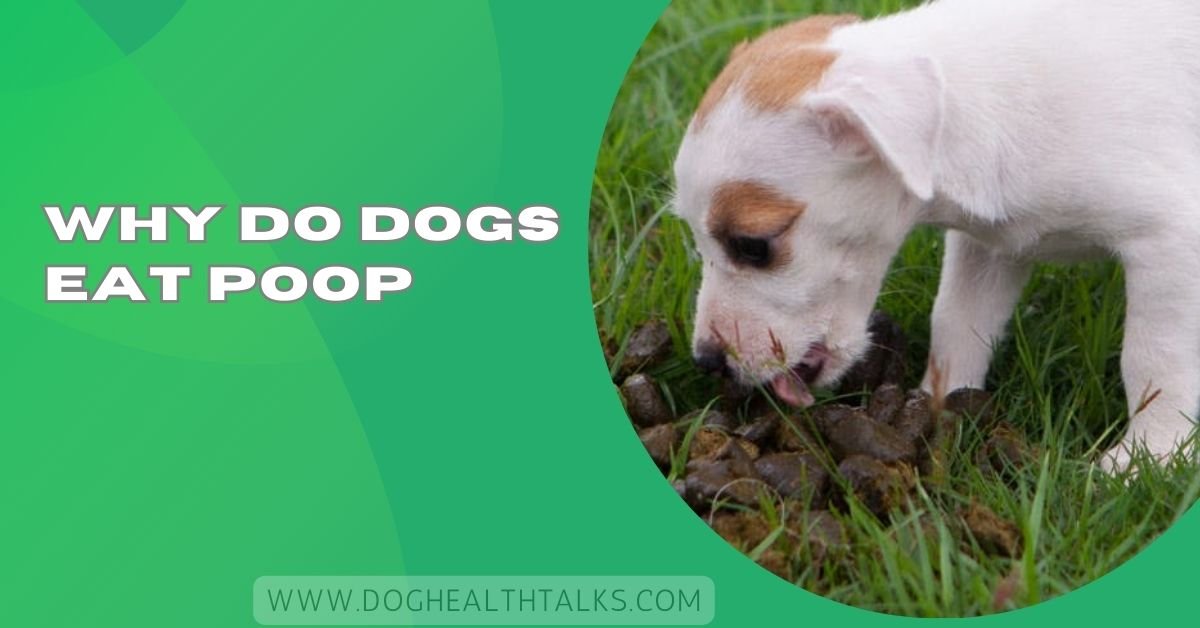
Why Do Dogs Eat Poop – Real Reasons Vets Want You to Know 2026
If you’ve ever caught your pet in the act, you’ve probably wondered, Why Do Dogs Eat Poop and what could possibly cause this strange and unpleasant behavior. You’re not alone. Poop-eating also called coprophagia is one of the most common (and misunderstood) dog behaviors.
Here’s the reassuring truth: most dogs that eat poop are not “bad,” broken, or poorly trained. In many cases, this behavior is rooted in instinct, learning, or emotional needs. And almost always, there is a kind, effective solution.
This guide is written and reviewed by canine-behavior and veterinary-informed professionals, using widely accepted scientific understanding and real-world experience. Our goal is simple: help you understand your dog, protect their health, and restore your peace of mind.
Why Do Dogs Eat Poop?
Dogs don’t see the world the way humans do. What feels disgusting to us can smell interesting or even useful to them. Let’s break down the most common reasons in a clear, calm way.
1. They’re Nursing
Mother dogs often eat their puppies’ poop during the nursing stage.
This is completely normal and serves important purposes:
- Keeps the sleeping area clean
- Protects puppies from bacteria and parasites
- Follows natural canine behavior
Once puppies grow and stop nursing, this behavior usually disappears on its own.
2. It’s Instinctual
Dogs descended from wolves, and some behaviors still remain.
A well-known 2018 study published in Veterinary Medicine and Science suggests that wild canines ate fresh feces to reduce parasite risk in dens. Eating poop less than two days old helped protect the pack.
So for some dogs, poop eating isn’t strange it’s ancient survival logic.
3. It Tastes Good (to Them)
As unpleasant as this sounds, some dogs enjoy the smell or taste especially poop from other animals like cats or horses.
Why?
- Cat food is high in protein and fat
- Other animals’ waste may contain undigested nutrients
- Strong smells excite a dog’s senses
This doesn’t mean it’s healthy. It simply means your dog is following their nose.
4. They Want Your Attention
Dogs are brilliant observers.
If your dog learned early on that eating poop makes you yell, chase, or react strongly, they may repeat the behavior because it works.
To your dog:
- Yelling = engagement
- Chasing = play
- Big reactions = attention
Even negative attention can feel rewarding.
5. They’re Not Feeling Well
Sudden poop eating in an adult dog is a red flag worth checking.
Possible medical causes include:
- Intestinal parasites
- Digestive enzyme deficiencies
- Nutritional imbalances
- Gastrointestinal disease
- Liver or metabolic disorders
If poop eating starts suddenly or comes with weight loss, vomiting, diarrhea, or lethargy, a vet visit is essential.
6. They Have Anxiety
Stress and anxiety can drive strange coping behaviors.
Dogs may eat poop when they feel:
- Lonely or bored
- Confined too long
- Overstimulated or under-stimulated
- Anxious when you leave (separation anxiety)
In these cases, poop eating is a displacement behavior a way to self-soothe.
7. They’re Scared of Being Punished for an Accident
This reason is heartbreaking and very real.
Dogs punished for indoor accidents may learn:
- Poop = trouble
- Eating evidence = safety
This behavior is fear-based, not stubbornness. Punishment often creates the problem it’s meant to solve.
How To Stop a Dog From Eating Poop
The most powerful solution isn’t force it’s prevention, patience, and positive guidance.
Limit Their Access
The fewer chances your dog has to practice the habit, the faster it fades.
Helpful strategies:
- Pick up poop immediately
- Supervise potty time
- Use baby gates to block litter boxes
- Keep dogs on a leash during bathroom breaks
This isn’t forever it’s training with kindness.
Try a Coprophagic Supplement
Some dogs eat poop because they enjoy the taste.
Coprophagic supplements work by:
- Making stool smell or taste unpleasant
- Supporting digestion
- Reducing curiosity over time
These are tools, not magic fixes, and work best alongside training and supervision.
Reduce Their Anxiety
A calm dog makes better choices.
To lower stress:
- Add daily walks and sniff time
- Use puzzle toys and enrichment games
- Provide a quiet, safe resting area
- Maintain a predictable routine
An enriched dog is a confident dog.
Don’t Punish Your Dog
Punishment creates fear, secrecy, and confusion.
Instead:
- Stay neutral during accidents
- Reward good potty behavior
- Build trust through consistency
Dogs learn fastest when they feel safe.
Redirect Their Attention
Right after your dog poops:
- Call them happily
- Offer a high-value treat
- Toss a toy or start a short game
Over time, your dog learns:
“Leaving poop brings good things.”
Why Do Dogs Eat Their Own Poop
Dogs eat their own poop due to stress, boredom, poor digestion, or learned behavior from puppyhood. Sometimes fear of punishment or attention-seeking also causes this habit. Most cases can be improved with patience, training, and routine.
Why Do Dogs Eat Cat Poop
Dogs eat cat poop because it smells strong and often contains leftover protein from cat food. To dogs, it seems like a tasty snack. Blocking litter box access and supervising your dog helps stop this behavior safely.
Why Do Dogs Eat Poop Every Day
Daily poop eating usually means the habit has become routine. It can be caused by boredom, anxiety, diet problems, or lack of supervision. With consistent cleanup, positive training, and mental stimulation, this behavior can slowly disappear.
Why Do Dogs Eat Their Own Poop And Pee
Dogs may eat poop and drink pee due to anxiety, boredom, medical issues, or lack of fresh water. Sometimes it happens when dogs feel confined or stressed. A vet check and routine changes can help fix this issue.
Why Is My Old Dog Eating Poop All Of A Sudden
Sudden poop eating in older dogs may signal health problems like digestion issues, nutrient loss, or cognitive changes. Stress and routine changes can also play a role. A vet visit is important to rule out medical causes early.
How To Stop A Dog From Eating Poop
Pick up poop quickly, supervise bathroom time, reward your dog for leaving it, and use positive training. Keep your dog busy, calm, and mentally active. Never punish kind guidance works much better and builds lasting habits.
How To Stop Dog From Eating Poop With Home Remedies
Home remedies include adding pumpkin or pineapple to food, keeping the yard clean, increasing exercise, and offering chew toys. These steps improve digestion and reduce boredom, helping dogs lose interest in poop naturally over time.
Why Do Dogs Eat Poop In Winter
In winter, dogs may eat poop more due to boredom, less exercise, or delayed cleanup from snow. Spending more time indoors can increase anxiety. Regular walks, quick cleanup, and indoor play help reduce this seasonal behavior.
Can Dogs Eat Poop On Walk
Yes, dogs can eat poop on walks, but it’s generally not advisable. Here are a few reasons why:
Natural Instinct: Dogs are scavengers by nature, and eating feces can be a part of their instinctual behavior. This can stem from their wild ancestors who had to survive on whatever they could find.
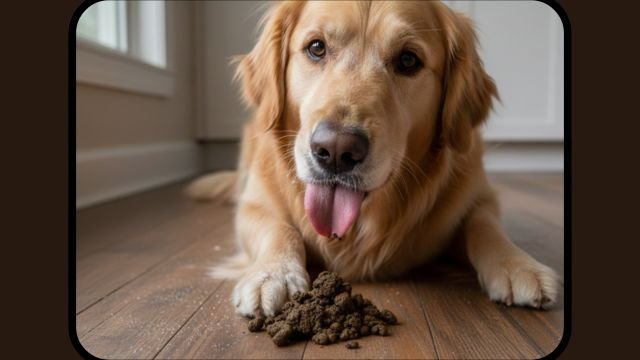
Health Risks: Consuming poop can expose dogs to harmful pathogens, parasites, or toxins. This can lead to digestive issues or more serious health problems.
Behavioral Concerns: If a dog frequently eats poop, it could indicate underlying behavioral issues or nutritional deficiencies. It’s essential to consult a veterinarian if this behavior persists.
Why Does My Dog Eat Poop From Other Animals
One of the most perplexing behaviors among dogs is their tendency to eat poop from other animals, a phenomenon known as coprophagia. While it may seem disgusting to us, there are several intriguing reasons behind this behavior.
For one, your dog may be instinctively trying to absorb nutrients that are not adequately provided in their diet. In the wild, scavengers often consume feces to capitalize on any residual nutrients, a survival tactic that echoes through their genetics.
Conclusion
In conclusion, why do dogs eat poop is usually linked to instinct, boredom, stress, or diet issues, and with proper care and training, this habit can be managed effectively.
Poop eating is frustrating but it is not a failure on your part or your dog’s.
Dogs eat poop because they are:
- Following instinct
- Seeking comfort
- Responding to stress
- Or trying to understand their world
With calm leadership, smart prevention, and compassionate training, this habit can fade sometimes faster than you expect.
Your dog isn’t gross.
Your dog isn’t broken.
Your dog is learning and so are you.
And that’s something to feel truly hopeful about.
FAQ’s
What Dog Breeds are Prone to Eating Poop?
Curious breeds like Labradors, Beagles, Terriers, and Shetland Sheepdogs are more likely to eat poop because they explore smells, get bored easily, and love food rewards.
Is it Okay If My Dog Eats My Poop?
No, it’s not safe. Human poop can contain harmful bacteria, parasites, and medicines. It’s best to stop access immediately and keep bathrooms and yards clean.
What Vitamin Does a Dog Need to Stop Eating Poop?
Dogs that eat poop may need better vitamin B support, especially B12. These vitamins help digestion and energy, reducing the urge to eat stool.
What Nutrient Deficiency Causes Dogs to Eat Poop?
Lack of nutrients like protein, digestive enzymes, or B vitamins can cause poop eating. Poor nutrient absorption makes dogs search for missing nutrition in stool.
What is a Dog Lacking When They Eat Dog Poop?
Your dog may lack proper digestion, mental stimulation, or balanced nutrition. Stress, boredom, or enzyme shortages often play a bigger role than hunger alone.
What is The 3 Poop Rule?
The “3 poop rule” means picking up poop within three minutes. Quick cleanup prevents dogs from accessing stool and helps stop poop eating habits early.
How do I Fix My Dog From Eating Poop?
Supervise potty time, clean poop fast, reward good behavior, reduce stress, and use positive training. Consistency and patience are key to long-term success.
Is It a Behavioral Problem If a Dog Eats Poop?
Sometimes yes, but not always. Poop eating can be instinct, stress, boredom, or health-related. Understanding the cause helps choose the right solution.
Is It Normal For Dogs to Eat Poop Sometimes?
Yes, it is relatively common for dogs to eat poop, a behavior known as coprophagia. While it might seem unappealing to us, there are several reasons why dogs might engage in this behavior.
What Does It Mean When a Dog Eats Poop?
Dogs may eat poop due to instinctual behavior, curiosity, or to mimic the actions of their mother during puppyhood. It can also indicate behavioral issues or health problems.
What Health Deficiencies Can Cause Dogs to Eat Poop?
Dogs may eat poop due to nutritional deficiencies, such as lack of certain enzymes, vitamins, or minerals, often related to poor diet or absorption issues.