Can Cats Eat Pistachio Ice Cream? 7 Powerful Vet Facts You Must Know!
Can Cats Eat Pistachio Ice Cream is a common question among pet owners who wonder whether this sweet, nutty dessert is safe for their feline friends. If you’ve ever enjoyed a scoop of pistachio ice cream and noticed your cat watching you closely, you’re not alone. Many cat parents wonder if sharing a small taste is harmless or if it could cause problems Can Cats Eat Pistachio Ice Cream? 7 Powerful Vet Facts You Must Know!
No, cats should not eat pistachio ice cream. Dairy can upset digestion, and pistachios offer no benefits. Even though pistachios aren’t toxic, ice cream’s sugar and fat make all pistachio treats unsafe for cats today.
Understanding what’s safe—and what’s not—helps you protect your cat while still showing love in better, healthier ways.
Can Cats Eat Pistachio Ice Cream?
At first glance, pistachio ice cream looks harmless. It’s cold, creamy, and smells sweet—no wonder your cat might show interest. Many cat parents ask this question out of love, not carelessness. You want to share joy, not cause harm Can Cats Eat Pistachio Ice Cream? 7 Powerful Vet Facts You Must Know!
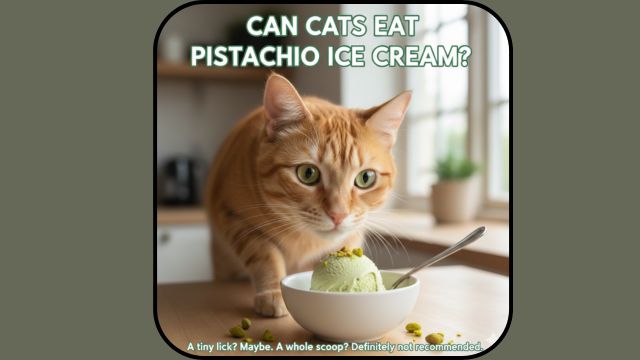
Veterinary nutrition experts agree on one thing: pistachio ice cream is not safe for cats. While it is not instantly poisonous like chocolate or onions, it combines multiple ingredients that do not belong in a cat’s diet. Dairy, sugar, fats, flavorings, and pistachios together create a risky mix for feline health.
Cats are obligate carnivores. Their bodies are designed for meat-based nutrition, not human desserts. Even when a cat seems interested or begs for a lick, that curiosity does not mean their body can handle it. Feeding pistachio ice cream offers no benefit and introduces avoidable risks Can Cats Eat Pistachio Ice Cream? 7 Powerful Vet Facts You Must Know!
Choosing not to share human treats is one of the simplest ways to protect your cat’s long-term health.
How Much Pistachio Ice Cream Can Cats Eat?
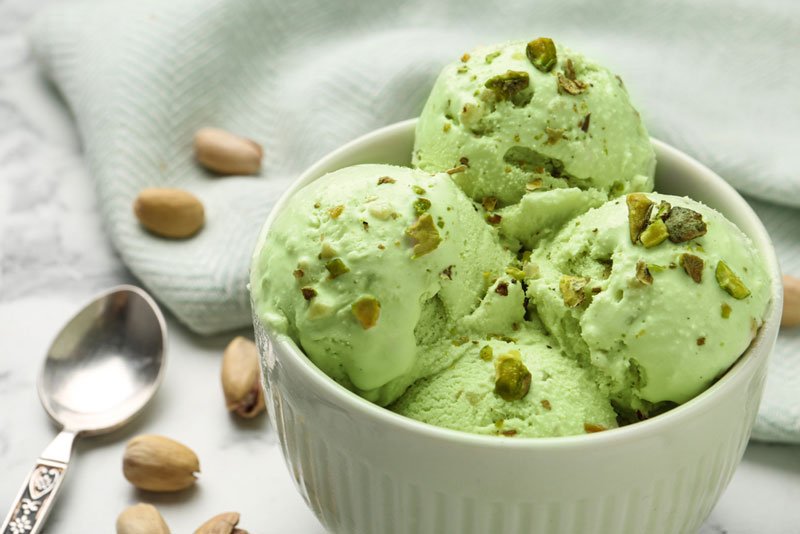
This is one of the most common and important questions—and the answer is simple:
There is no safe amount of pistachio ice cream for cats.
Not a spoon.
Not a bite.
Not even a lick.
Cats have sensitive digestive systems. Even a tiny exposure can cause stomach upset, diarrhea, or vomiting. Because reactions vary from cat to cat, there is no way to measure a “safe” dose. Some cats may show mild symptoms, while others may experience more serious reactions Can Cats Eat Pistachio Ice Cream? 7 Powerful Vet Facts You Must Know!
If your cat accidentally licks pistachio ice cream:
- Do not panic
- Do not offer more
- Monitor for symptoms for 24 hours
Avoid repeating the exposure. Prevention is always safer than treatment.
Also Read: Can Cats Eat Sour Cream? – Expert Advice for Pet Parents!
Benefits Of Pistachio Ice Cream To Cats
It’s important to be honest and transparent:
Pistachio Cat Benefits
There are no real health benefits of pistachio ice cream for cats.
However, this does not mean your cat has to miss out on joy or special treats. The real benefit comes from choosing safer alternatives that support your cat’s well-being while still making treat time exciting Can Cats Eat Pistachio Ice Cream? 7 Powerful Vet Facts You Must Know!
Here’s where the positivity comes in:
1. Better Nutritional Choices
By avoiding pistachio ice cream, you protect your cat from unnecessary sugars, fats, and allergens. Instead, you can choose treats designed specifically for feline health.
2. Happier Digestion
Cats feel their best when their food matches their biology. Cat-safe treats prevent stomach pain, gas, and diarrhea, leading to a happier, more playful pet.
3. Stronger Bond
Offering appropriate treats builds trust. Your cat associates treat time with comfort and safety—not discomfort.
4. Long-Term Health
Small decisions add up. Avoiding risky foods helps prevent obesity, pancreatitis, and digestive stress over time Can Cats Eat Pistachio Ice Cream? 7 Powerful Vet Facts You Must Know!
So while pistachio ice cream offers no benefit, choosing not to feed it is a loving and responsible win.
Dangers Of Feeding Pistachio Ice Cream To Cats
Pistachio ice cream is risky because it combines several harmful elements in one dessert. Each ingredient alone can cause issues—together, they increase the danger.
Dairy Problems
Most adult cats are lactose intolerant. Ice cream contains milk and cream, which can lead to:
- Diarrhea
- Gas
- Stomach cramps
- Dehydration
High Sugar Content
Cats do not need sugar. Excess sugar can contribute to:
- Weight gain
- Blood sugar stress
- Poor gut health
High Fat Levels
Fat-heavy foods strain the pancreas and may increase the risk of pancreatitis, a painful and serious condition Can Cats Eat Pistachio Ice Cream? 7 Powerful Vet Facts You Must Know!
Pistachio Risks
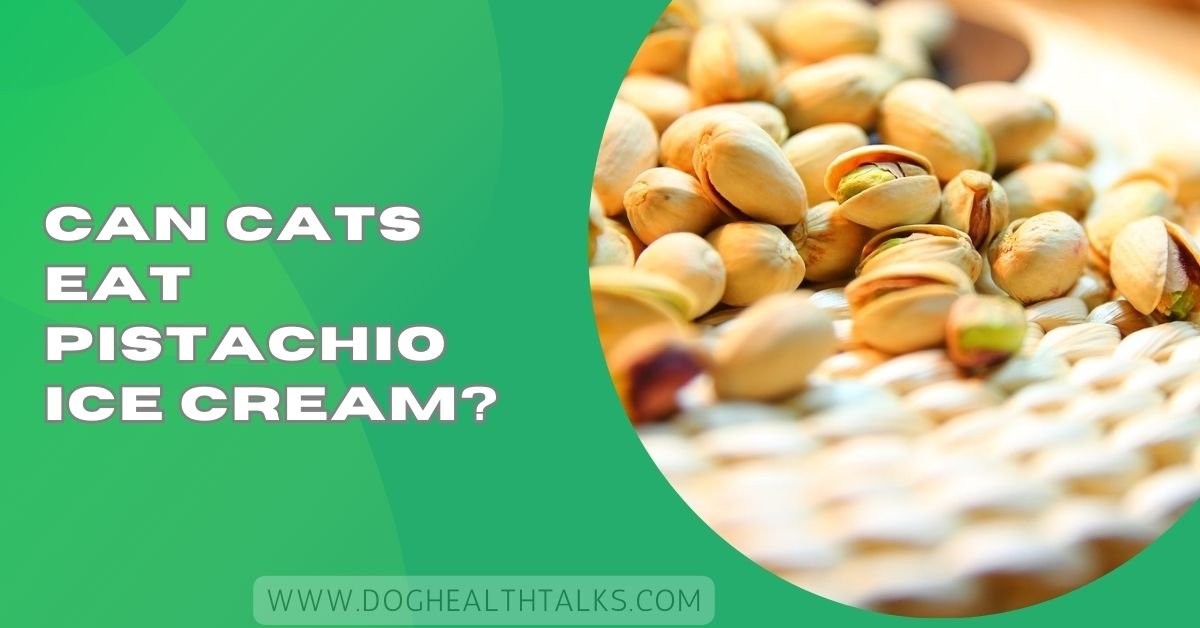
Pistachios are not cat-friendly nuts. They can cause choking, digestive blockage, or fat overload.
When added together, pistachio ice cream becomes a food best kept far away from curious paws.
Substitute Of Pistachio Ice Cream For Cats
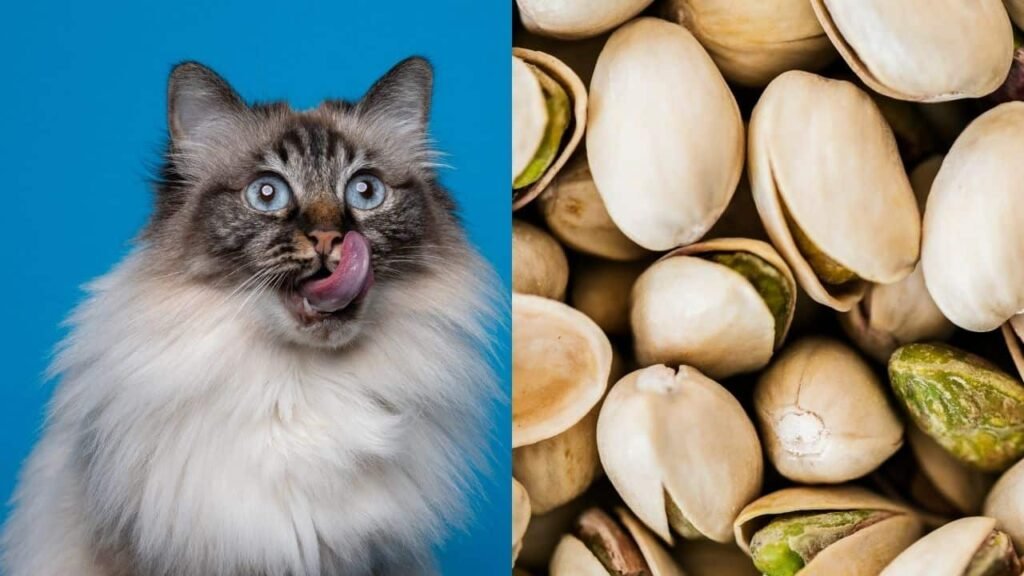
Good news: your cat does not have to miss out on fun, cool treats. There are many safe and exciting alternatives approved by veterinary nutrition guidelines Can Cats Eat Pistachio Ice Cream? 7 Powerful Vet Facts You Must Know!
1. Plain Ice Cubes
Simple, refreshing, and safe. Many cats enjoy batting or licking ice cubes during warm weather Can Cats Eat Pistachio Ice Cream? 7 Powerful Vet Facts You Must Know!
2. Frozen Cat Treats
Commercial cat treats can be frozen for a cooling effect. These are balanced and designed for feline digestion.
3. Freeze-Dried Meat Snacks
Chicken, turkey, or fish treats offer pure protein without sugar or dairy.
4. Plain Cooked Pumpkin
Small amounts support digestion and can be served chilled Can Cats Eat Pistachio Ice Cream? 7 Powerful Vet Facts You Must Know!
5. Catnip Ice Cubes
Freeze water infused with catnip for an engaging and cooling summer treat.
Choosing substitutes allows you to say “yes” to treats without risking your cat’s health.
Must Read: Can Cats Have Mint Ice Cream? – Signs, Risks and What to Do
The Risks of Feeding Your Cat Pistachios
Even outside of ice cream, pistachios themselves are unsafe for cats.
High Fat Content
Pistachios are rich in fat, which can lead to:
- Obesity
- Pancreatitis
- Digestive stress
Flavorings and Preservatives
Salted or flavored pistachios can cause sodium poisoning, kidney strain, and dehydration Can Cats Eat Pistachio Ice Cream? 7 Powerful Vet Facts You Must Know!
Choking Hazard
Both the nut and the shell can lodge in the throat or digestive tract.
Digestion Issues
Cats lack enzymes needed to break down nuts properly, leading to discomfort or blockage.
Fungus Concerns
Pistachios may contain aflatoxins, fungal toxins that can be harmful to animals.
For safety alone, pistachios should never be offered to cats in any form Can Cats Eat Pistachio Ice Cream? 7 Powerful Vet Facts You Must Know!
What Human Foods Can You Feed Your Cat?
While cats do not need human food, some options are safe in small amounts and can add variety.
Vet-approved choices include:
- Plain cooked chicken or turkey
- Plain cooked fish (no bones)
- Small portions of pumpkin
- Cooked carrots or peas
Foods should always be:
- Unseasoned
- Plain
- Served occasionally
Human foods should never replace complete, balanced cat food Can Cats Eat Pistachio Ice Cream? 7 Powerful Vet Facts You Must Know!
Can Cats Have Pistachio
Cats should not have pistachios. Even though pistachios are not toxic, they are hard for cats to digest. The high fat content can upset their stomach and may lead to vomiting, diarrhea, or weight problems over time Can Cats Eat Pistachio Ice Cream? 7 Powerful Vet Facts You Must Know!
Can Cats Eat Pistachios Without Shell
No, cats should not eat pistachios even without the shell. The nut itself is still high in fat and difficult to digest. Without the shell, choking risk is lower, but stomach upset and other health issues can still occur.
Can Cats Eat Pistachio Butter
Cats should not eat pistachio butter. It is very high in fat and often contains added salt, sugar, or oils. These ingredients can harm a cat’s digestive system and may cause diarrhea, vomiting, or pancreatitis Can Cats Eat Pistachio Ice Cream? 7 Powerful Vet Facts You Must Know!
Cats Pistachio Ice Cream
Pistachio ice cream is unsafe for cats. It contains dairy, sugar, and pistachios, all of which can upset a cat’s stomach. Even a small lick may cause digestive problems, so it’s best to keep ice cream away.
Can Cats Have Pistachio Milk
Cats should not have pistachio milk. While it is dairy-free, pistachio milk still contains nuts, oils, and additives that cats cannot digest well. It offers no nutrition and may cause stomach upset or diarrhea.
Can Cats Have Pistachio Pudding
No, pistachio pudding is not safe for cats. It contains sugar, flavorings, dairy or thickeners, and pistachio ingredients. These can upset your cat’s stomach and provide no health benefit, making it best to avoid Can Cats Eat Pistachio Ice Cream? 7 Powerful Vet Facts You Must Know!
Can Cats Eat Vanilla Ice Cream
Cats should not eat vanilla ice cream. Most cats are lactose intolerant, and ice cream contains sugar and fat. Even plain vanilla ice cream can cause diarrhea, gas, or vomiting, especially if eaten more than once.
Can Cats Eat Pistachio Nuts?
Cats should not eat pistachio nuts. They are not toxic, but they are unsafe due to high fat content, choking risk, and digestion problems. Cats gain no nutritional value from nuts and should stick to meat-based foods.
Are Pistachio Bad For Cats?
Yes, pistachios are bad for cats. They can cause stomach upset, weight gain, and possible choking. Salted or flavored pistachios are even more dangerous and may lead to dehydration or sodium poisoning in cats Can Cats Eat Pistachio Ice Cream? 7 Powerful Vet Facts You Must Know!
What To Do If Your Cat Eats Pistachio Ice Cream Or Sweets
If your cat eats pistachio ice cream or sweets, stop giving more immediately. Watch for vomiting, diarrhea, or lethargy. If symptoms appear or worsen, contact your veterinarian for advice and proper care.
You Should Know: Can Cats Eat Garlic? – Signs of Toxicity and Prevention Tips
Can Cats Eat Pistachio Or Cookie Dough Ice Cream?
No, cats should not eat pistachio or cookie dough ice cream. These flavors contain dairy, sugar, fats, and sometimes chocolate, all of which can upset digestion and may be dangerous for cats Can Cats Eat Pistachio Ice Cream? 7 Powerful Vet Facts You Must Know!
Can Cats Eat Pistachio Ice Cream, Or Is It Bad For Them?
Pistachio ice cream is bad for cats. The dairy can cause stomach upset, and pistachios add extra fat and choking risk. There is no safe amount, so it’s best to avoid giving it entirely.
Is It Alright For Me To Feed My Cat Pistachio Fudge?
No, pistachio fudge is not safe for cats. It contains sugar, fats, dairy, and pistachios. These ingredients can upset your cat’s stomach and may cause serious health problems if eaten Can Cats Eat Pistachio Ice Cream? 7 Powerful Vet Facts You Must Know!
What Happens If Cats Eat Ice Cream?
If cats eat ice cream, they may experience diarrhea, gas, stomach pain, or vomiting. This happens because cats cannot digest lactose well, and the sugar and fat in ice cream are too heavy for them.
Conclusion
In conclusion, Can Cats Eat Pistachio Ice Cream may sound harmless, but it’s best to avoid giving it to cats due to sugar, dairy, and potential nut-related risks. Pistachio ice cream may look harmless, but it simply isn’t a safe or healthy choice for cats. The mix of dairy, sugar, fats, and pistachios can upset digestion and cause avoidable health problems. While your cat’s curiosity is natural, their body isn’t designed for human desserts.
The good news is that saying no doesn’t mean taking joy away. By choosing cat-safe treats and simple alternatives, you protect your cat’s health while still showing love and care. In the end, the safest and kindest choice is always one that supports your cat’s long-term comfort, happiness, and well-being.
FAQ’s
Are Pistachios Safe For Cats to Eat?
No, pistachios are not safe for cats. They can pose a choking hazard and may cause digestive issues.
Can dogs lick pistachio ice cream?
It’s best to avoid giving dogs pistachio ice cream, as it may contain ingredients harmful to them, like chocolate or xylitol.
Can cats lick a little ice cream?
A small lick may not cause harm, but dairy and sugar can upset digestion, so avoid offering ice cream to.
What ice cream is ok for cats?
No ice cream is truly safe for cats; choose cat-safe frozen treats or plain ice cubes instead for their enjoyment.
Can dogs lick pistachio ice cream?
Dogs should not lick pistachio ice cream; dairy, sugar, and pistachios can cause stomach upset and digestive problems in dogs.
Are pistachios safe for pets?
Pistachios are not safe for pets; they are fatty, hard to digest, and can cause choking or stomach upset issues.
What is the silent killer of cats?
Chronic kidney disease is often called a silent killer because cats hide symptoms until illness is advanced and progresses quietly.
What is the 3-3-3 rule for cats?
The 3-3-3 rule explains adjustment: three days to decompress, three weeks to learn routines, three months to settle comfortably at.
What annoys cats the most?
Cats dislike loud noises, forced cuddling, dirty litter boxes, sudden changes, and unfamiliar smells in their space or rough handling.
Why does my cat love ice cream?
Cats love ice cream because it smells rich and creamy, not because it’s healthy or safe for cats at all.
What Are Signs Of Ice Cream Poisoning In Cats?
Signs include vomiting, diarrhea, gas, stomach pain, lethargy, and appetite changes after eating ice cream or unusual behavior in cats.